
HVAC Installation in Farmington, NM
A new system here will heat from October through May and cool from June through August every year. Tell us about the house, and a licensed contractor who covers San Juan County will get in touch.
Tell us about the job
It takes about a minute.
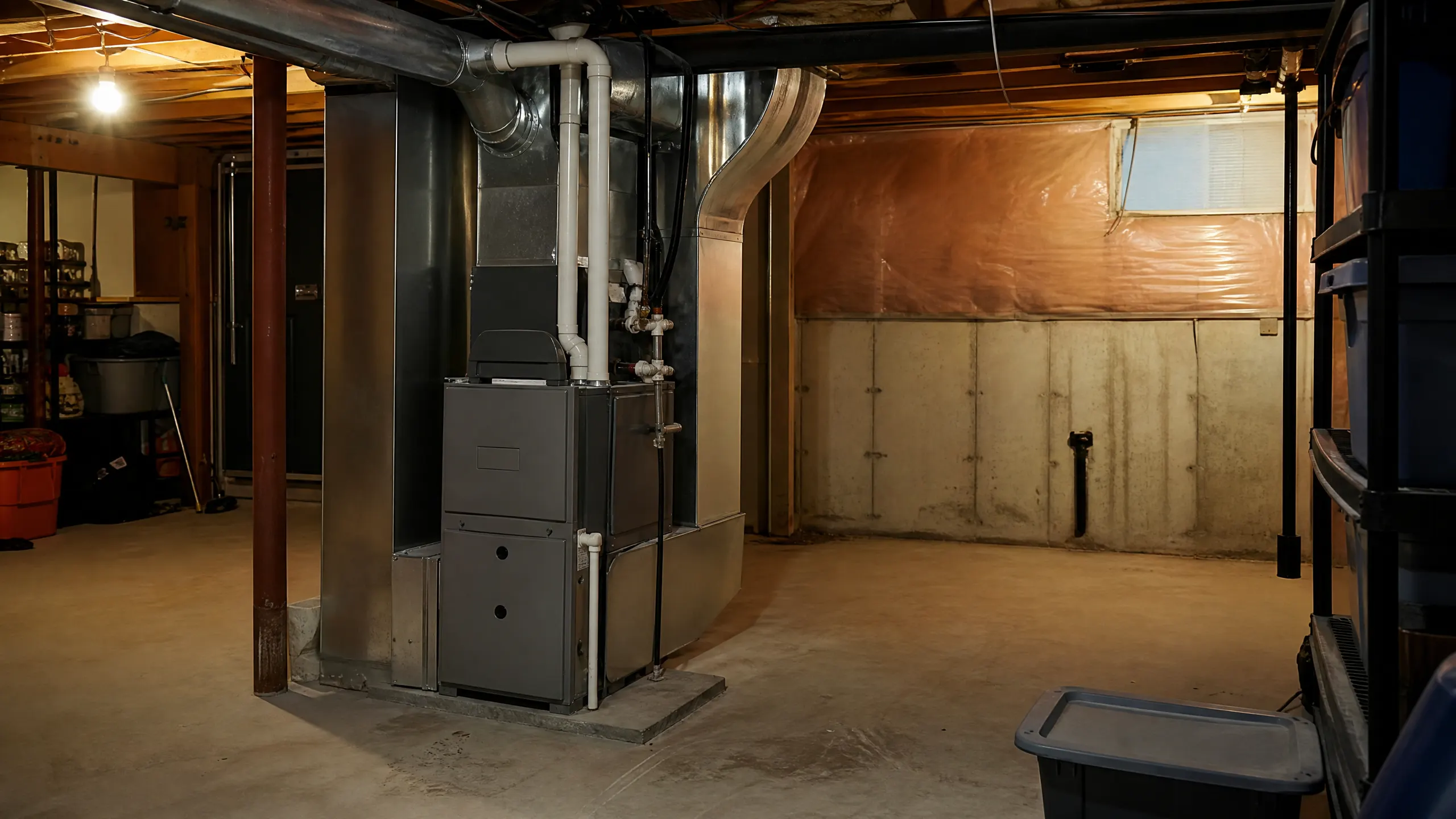
A system that has to work almost year round
Farmington asks for heat eight months a year, October through May, with winter nights averaging 20°F. Then summer turns around and pushes afternoons to 88°F for three more months. That is 11 months where your furnace or your air conditioner is doing real work.
A new system here has to be sized for both ends of that range, not just one. With 63% of homes heating with gas, the furnace and the air conditioner usually get replaced together, since they share the same ductwork and blower. Whatever goes in has to meet the federal minimum efficiency rating in place at installation, and a licensed contractor will know what that is for your setup.
- 8 months
- October through May, your system heats
- 3 months
- June through August, it cools
- 20°F
- the average winter night it heats against
- 88°F
- the average summer afternoon it cools against
NOAA nClimDiv, 1991–2020 normals
New Mexico requires HVAC contractors to hold a state license.
New Mexico tests contractors through the Construction Industries Division before it licenses them, and that license belongs to the contractor, not to any one job. It tells you this person has been checked once by the state and is on record there. It does not follow them to your door for this particular installation.
That's where the local building office comes in. In most cities and counties, putting in a new furnace, air conditioner or heat pump calls for a permit, and an inspection once the work is finished. The inspector is checking the installation itself, the gas connections, the wiring, whether the unit was set up the way it's supposed to be. The state license tells you who is doing the work. The permit and inspection tell you the work was done right.
Source: New Mexico Regulation and Licensing Department
- When should I replace my HVAC system?
- Look at age and repair history together. An older furnace or air conditioner that needs a repair more than once a season is usually near the end of its life, and at that point the next repair often makes less sense than putting the money toward a new system. Rising energy bills without any change in how you use the system is another sign the equipment is losing efficiency. Homes here need heat or cooling 11 months out of the year, so the system gets little rest, and it's worth paying attention to how it's running rather than waiting for it to quit in the middle of a 20 degree night or a 88 degree afternoon.
- Should I replace my furnace and air conditioner at the same time?
- If both are old, replacing them together usually makes more sense than doing one now and one later. The furnace and air conditioner share a blower, and often a coil, so a new unit paired with an old one may not run the way either was designed to. If only one has actually failed, a contractor can look at the age and condition of the other and tell you whether it's worth replacing now or waiting.
- What happens during an HVAC installation?
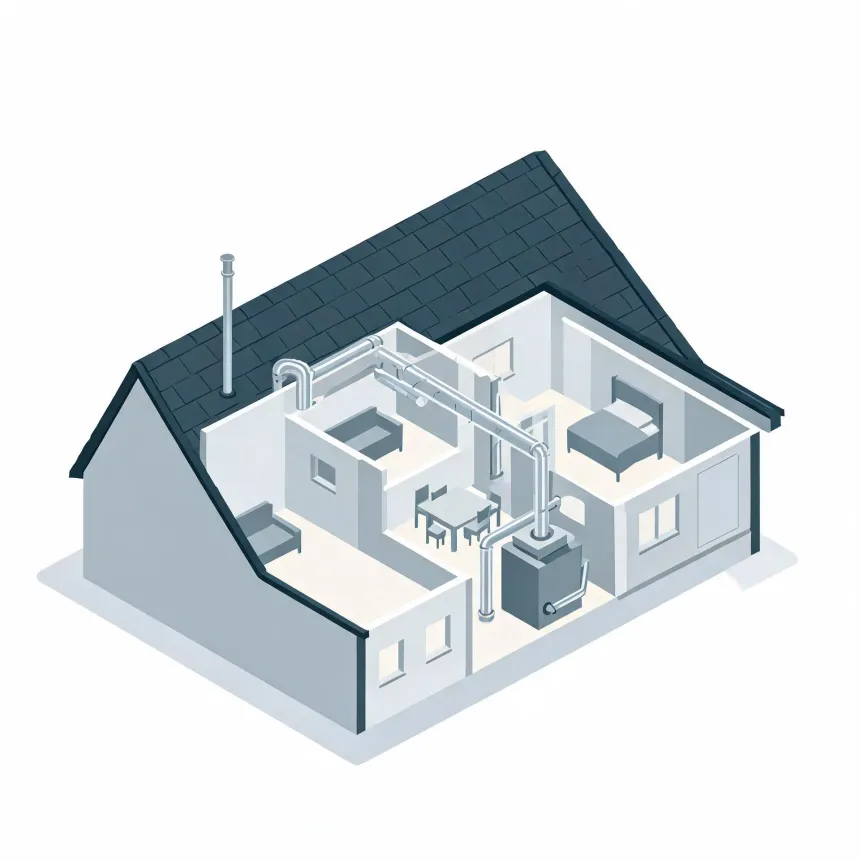
- A contractor removes the old furnace and air conditioner or heat pump, sets the new equipment in place, and connects it to the ductwork, refrigerant lines, gas or electric supply, and thermostat. They check the ductwork itself for leaks or sizing problems, since new equipment run through bad ducts won't heat or cool the house properly. Once it's connected, they run the system through a full cycle and check the refrigerant charge and airflow before calling the job finished. Replacing a furnace, air conditioner or heat pump here needs a permit from the local building office and an inspection when the work is done, and the contractor doing the install should be the one pulling that permit.