
Furnace Installation in Farmington, NM
A new furnace here will run from October through May every year. Tell us about the house, and a licensed contractor who covers San Juan County will get in touch.
Tell us about the job
It takes about a minute.

Eight months of heat, most of it on gas
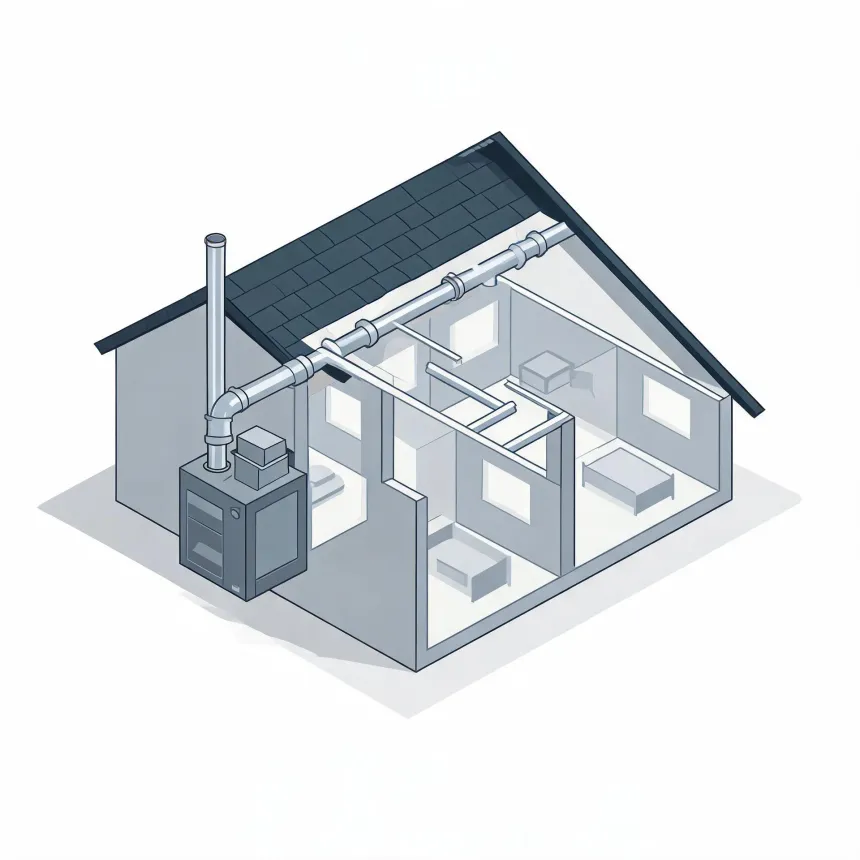
Farmington needs a furnace from October through May, eight months a year. Winter nights average 20°F through the season, so the unit you install runs longer here than it would in most places, and most homes run it on gas. A new furnace has to be sized and installed to hold up over that stretch, not just get through a cold snap.
Any non-weatherized gas furnace made after November 19, 2015 has to hit at least 80 percent AFUE by federal rule, and that is the floor to expect on a new install, not a selling point. Power loss is also worth planning for. Statewide, 13% of households went at least 24 hours without power in 2024, and the region has recorded 30 winter storms and 42 damaging wind events over the past ten years. A furnace that won't restart on its own after the power blinks is a problem on the night you need it least.
- 8 months
- October through May, your furnace is on duty
- 20°F
- the average winter night it heats against
- 63%
- of homes here heat with gas, so most furnaces here burn gas
- 80% AFUE
- the federal minimum any new unit must meet
NOAA nClimDiv, 1991–2020 normals
A high-efficiency gas furnace would save about $60 a year to run in San Juan County compared with a gas furnace.
Estimates for a typical San Juan County home, from EIA household energy data, New Mexico fuel prices and NOAA climate normals. Your home will differ.
New Mexico requires HVAC contractors to hold a state license.
New Mexico licenses HVAC contractors through the Construction Industries Division. That license belongs to the contractor, not to any one job, so it covers this furnace install the same way it covers the next one. It means the state has tested the contractor and keeps a record of them.
Most cities and counties also require a permit before a furnace gets replaced, along with an inspection once the work is done. That local inspection is what checks the gas connection, which matters here since 63% of homes in San Juan County heat with gas. The state license tells you who is doing the work. The permit and inspection are what confirms this particular install was done right.
Source: New Mexico Regulation and Licensing Department
- What size furnace does my house need?
- A contractor works this out with a load calculation, not a chart based on square footage. That calculation looks at your insulation, your windows, your ceiling height, and how much air leaks in and out. Two houses the same size can need different sized furnaces. Going too big is its own problem. An oversized furnace heats the house fast, shuts off, and cycles on and off all winter instead of running steady. With eight months of heating season here, getting the size right matters more than it would somewhere milder.
- How do I know it's time to replace my furnace?
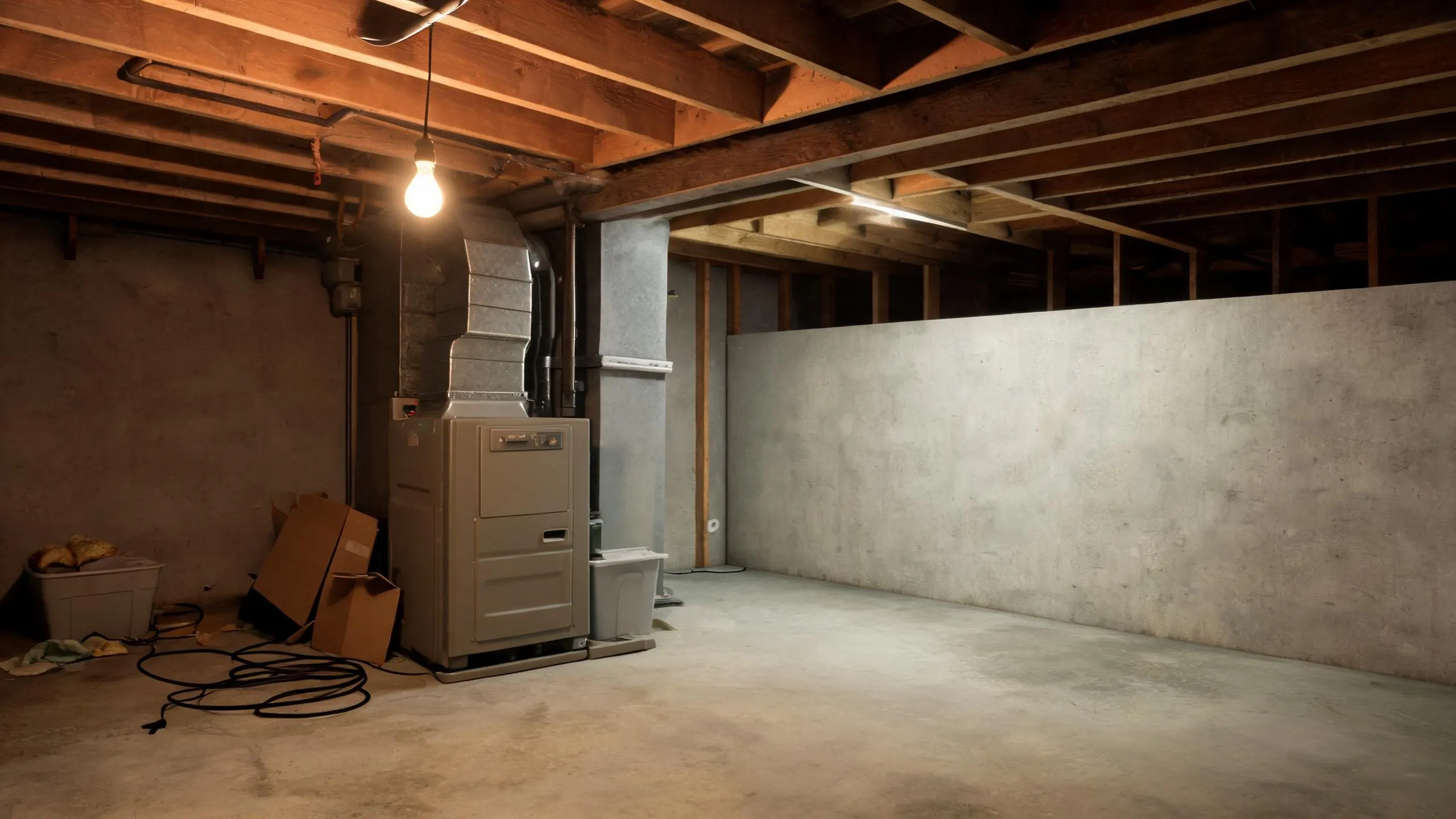
- Watch for heat that feels weaker than it used to, a furnace that cycles on and off more than it used to, and a gas bill that climbs while the house stays the same temperature. Rust near the burner, a yellow flame instead of blue, or a furnace that needs a repair call every winter are also signs it is closer to the end than the middle. Age matters too. Furnaces installed new after November 2015 have to meet 80 percent AFUE at minimum, so if yours is older than that and struggling, a newer one will run more efficiently by rule, not just by luck. With winter nights here averaging 20°F, a furnace on its way out gets exposed fast.
- Is a high-efficiency furnace worth it?
- It depends on how many months your furnace runs and how much gas costs you, and here it runs eight months a year. A high-efficiency furnace pulls more heat out of the same fuel. The longer your heating season, the more chances it has to make up the difference. Most homes in this area heat with gas, so that efficiency shows up on the bill every one of those eight months, not just on the coldest nights. A contractor can walk through the actual models and what they would cost installed in your house.