
HVAC Installation in Gallup, NM
A new system here will heat from October through May and cool from July through August every year. Tell us about the house, and a licensed contractor who covers McKinley County will get in touch.
Tell us about the job
It takes about a minute.
Ten months of work a year, out here
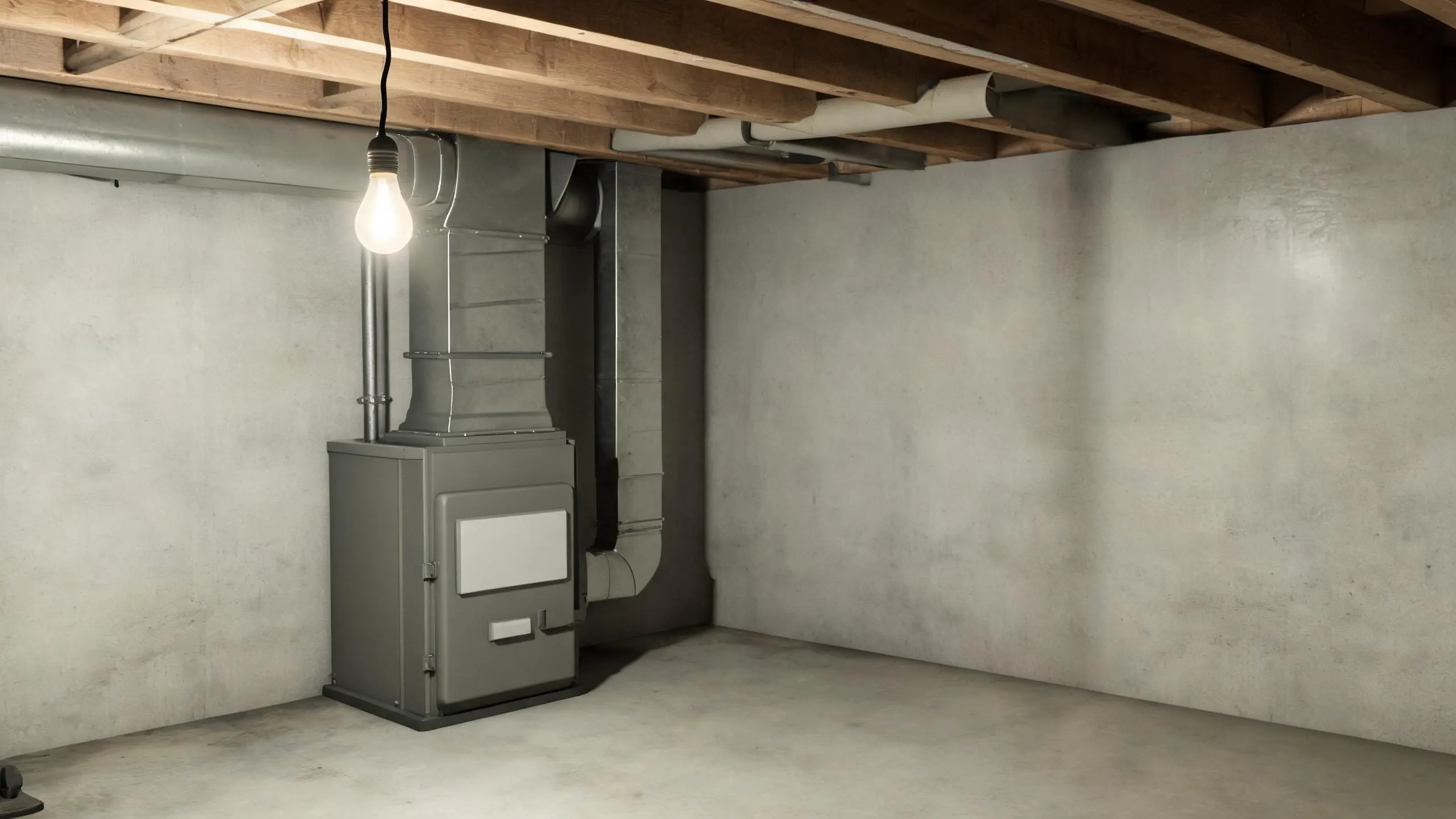
Gallup asks for heat from October through May and cooling in July and August. That's ten months where your system is doing one job or the other, with only a short break in between. Winter nights average 18°F, cold enough that a furnace or heat pump is running long hours to keep up, and summer afternoons reach 85°F on the other end.
A system installed here has to handle both. It also has to keep running through the kind of weather that knocks out power lines. This county has seen 44 winter storms and 64 damaging wind events over the past ten years, and statewide, 13% of households lost power for a day or more in 2024. Whatever gets installed should be sized and set up for the cold nights, the hot afternoons, and the chance the power goes out in between.
- 8 months
- October through May, your system heats
- 2 months
- July through August, it cools
- 18°F
- the average winter night it heats against
- 85°F
- the average summer afternoon it cools against
NOAA nClimDiv, 1991–2020 normals
New Mexico requires HVAC contractors to hold a state license.
The Construction Industries Division tests and licenses HVAC contractors before they can work in New Mexico. That license belongs to the contractor, not to any single job, so it tells you the person or company has met the state's requirements, not that this particular installation was checked as it went in.
That check comes from the local building office. Setting a new heating and cooling system needs a permit in most cities and counties here, and an inspector looks at the work once it is done. The license tells you who is allowed to install the system. The permit and inspection tell you this installation was looked at before anyone called it finished.
Source: New Mexico Regulation and Licensing Department
- When should I replace my HVAC system?
- Once your furnace or air conditioner is old enough that a repair might not hold, or it's breaking down more than once a season, it's time to start planning a replacement instead of waiting for it to fail. Here, that failure matters more than in mild climates. Winter nights average 18°F from December through February, and homes need heat from October through May, so a furnace that quits has no easy season to wait it out in. If a contractor tells you a repair will run close to what a new system costs, or your unit is old and using an outdated refrigerant, replacing it before it fails gives you time to choose the right equipment instead of taking whatever can be installed fastest in an emergency.
- Should I replace my furnace and air conditioner at the same time?
- If both are original to the house and getting old, replacing them together is worth considering, even though homes here lean much more on heat than on cooling. Furnaces and air conditioners installed as a pair are matched to work together, and pairing new equipment with an old unit can mean the newer piece never runs at its rated efficiency. That said, this is an 8 month heating season and just a 2 month cooling season here, so if your air conditioner still has good life left in it, there's nothing wrong with replacing the furnace on its own now and the air conditioner later. A contractor looking at both systems can tell you whether they're near the same age and worth pairing, or whether one can wait.
- What happens during an HVAC installation?
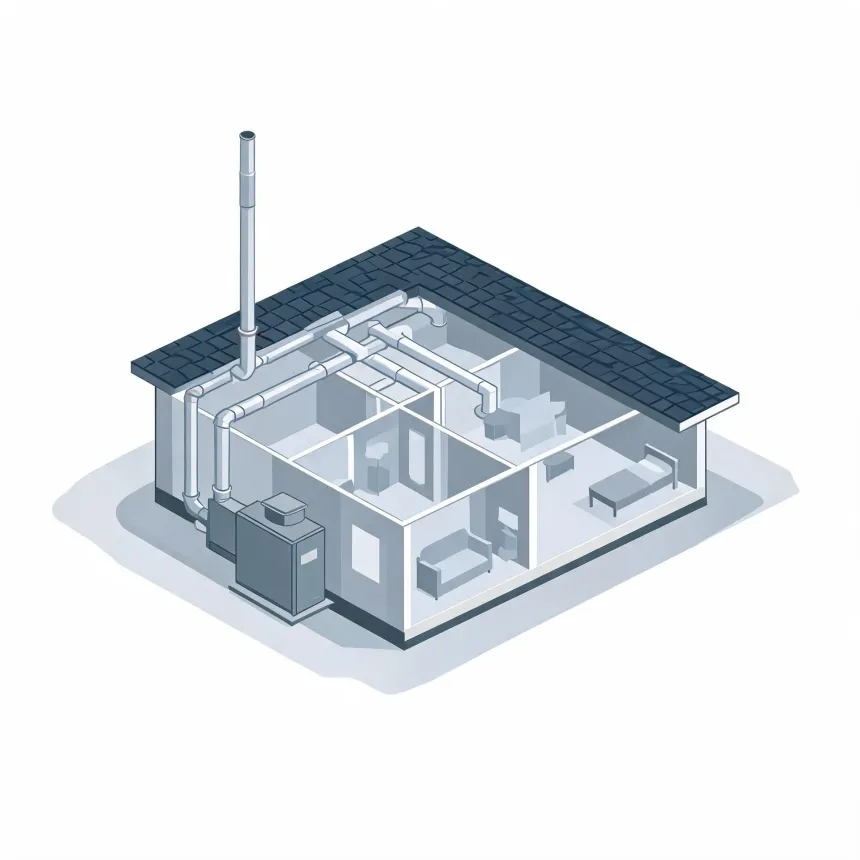
- A contractor removes the old furnace, air conditioner or heat pump and sets the new equipment in its place, then connects it to the ducts, the electrical supply, and for gas furnaces, the gas line and venting. The refrigerant lines get connected and tested for a proper charge if the job includes an air conditioner or heat pump. Once everything is wired and connected, the contractor fires up the system, checks that it's heating or cooling correctly, and checks the airflow at the vents. In most places, including here, replacing a system needs a permit from the local building office and an inspection once the work is done, so expect that step as part of the job rather than an extra.