
HVAC Installation in Rio Rancho, NM
A new system here will heat from October through May and cool from June through August every year. Tell us about the house, and a licensed contractor who covers Sandoval County will get in touch.
Tell us about the job
It takes about a minute.
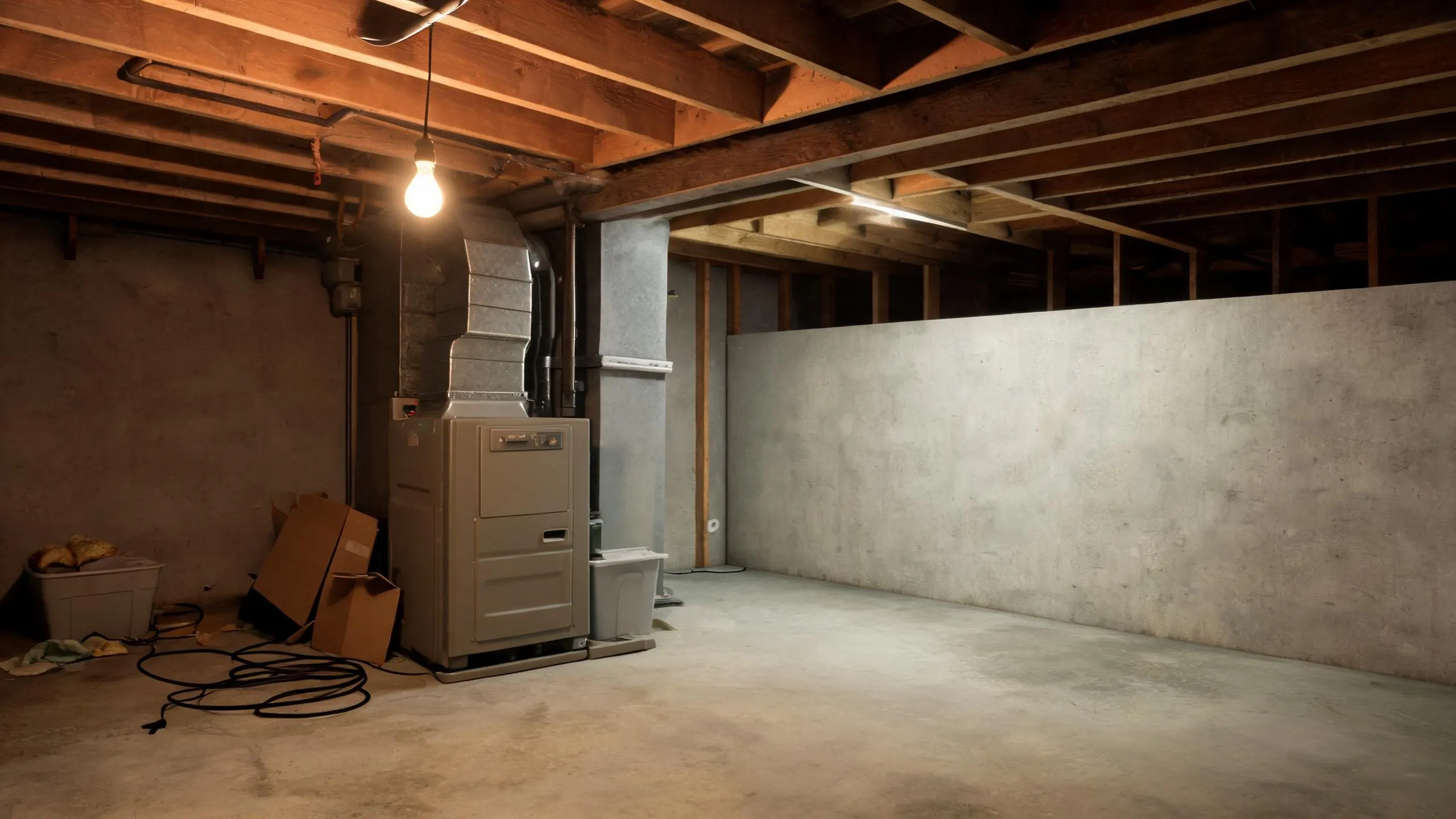
Rio Rancho asks for eight months of heat and three of cooling
Winter nights here average 19°F from December through February, and a new furnace has to hold that line without strain. Summer afternoons run about 85°F, so the same system needs a condenser that can keep up when it flips over to cooling in June. Eleven months of the year, one or the other is running.
Most homes here heat with gas, and a new system still has to meet the federal efficiency minimum for whichever fuel it burns. Sandoval County has also logged 134 winter storms and 121 damaging wind events over the past ten years, and about 13% of New Mexico households lost power for a day or more in 2024. Worth asking a contractor how the new system handles a power interruption, and what happens to the heat when it does.
- 8 months
- October through May, your system heats
- 3 months
- June through August, it cools
- 19°F
- the average winter night it heats against
- 85°F
- the average summer afternoon it cools against
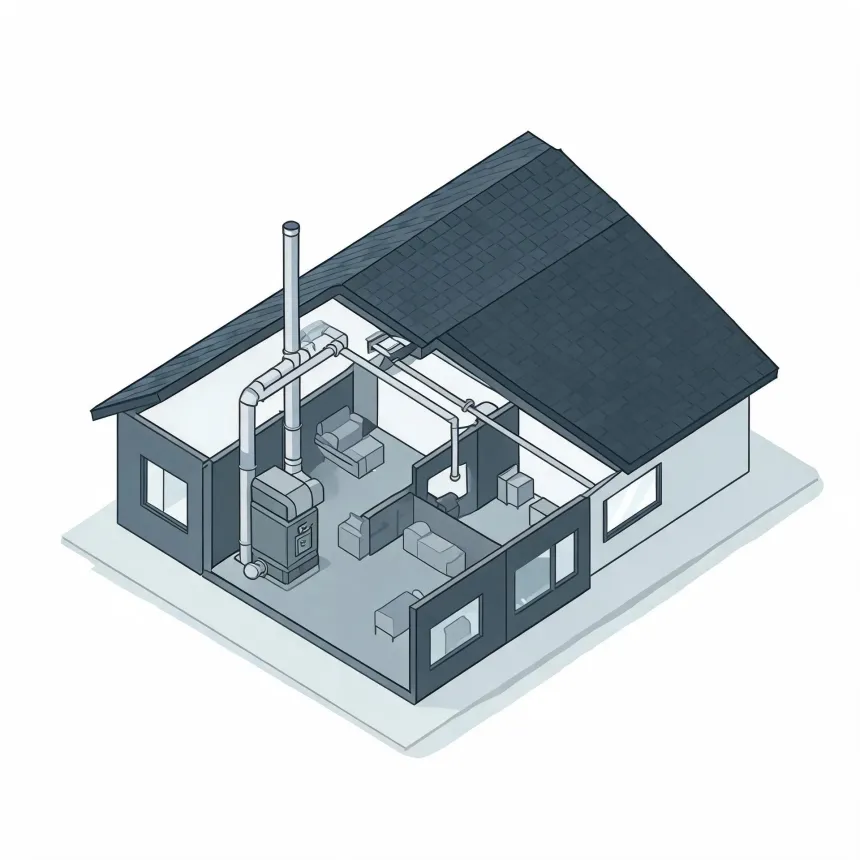
NOAA nClimDiv, 1991–2020 normals
New Mexico requires HVAC contractors to hold a state license.
The Construction Industries Division tests and licenses HVAC contractors across the state, and the license belongs to the contractor, not to any one job. That means the person doing this installation is the one the state has tested and keeps a record of, not just the business name on the truck.
For this installation, that license is what stands behind the work itself. The job also goes through the local building office. In most cities and counties, putting in a new furnace, air conditioner or heat pump needs a permit, and the finished work gets inspected before it is signed off.
Source: New Mexico Regulation and Licensing Department
- When should I replace my HVAC system?
- Once your furnace or air conditioner needs frequent repairs, or it's old enough that parts are wearing out one after another, replacement is worth planning for instead of waiting on a breakdown. Homes here need heat from October through May, so a furnace that fails during those months is a real problem, not just an inconvenience. Rising energy bills with no clear cause, uneven temperatures room to room, and repairs that keep adding up are all signs the system is on its way out. A contractor can look at the age and condition of what you have and tell you whether repair still makes sense or replacement is the better move.
- Should I replace my furnace and air conditioner at the same time?
- If both are old, replacing them together often makes sense, but it depends on the condition of each one. A furnace and air conditioner installed at the same time tend to wear out around the same time too, so if one is failing, the other may not be far behind. They also share the blower and ductwork, so matching a new unit to an old one can mean it never runs quite the way it was designed to. That said, if one system is only a few years old and working fine, there is no need to replace it just because the other one failed. A contractor can check both and tell you what actually needs doing.
- What happens during an HVAC installation?
- A contractor first removes the old furnace and air conditioner, then sets the new units in place and connects them to your ductwork, gas or electric line, and condensate drain. The refrigerant lines get connected and pressure tested, the electrical and thermostat wiring gets hooked up, and the system gets started and checked for correct airflow and temperature. Replacing a furnace or air conditioner needs a permit from the local building office in most cities and counties, along with an inspection once the work is done. A contractor handling the installation will typically pull that permit and schedule the inspection as part of the job.