
HVAC Installation in Española, NM
Tell us about the house, and a licensed contractor who covers Rio Arriba County will get in touch.
Tell us about the job
It takes about a minute.
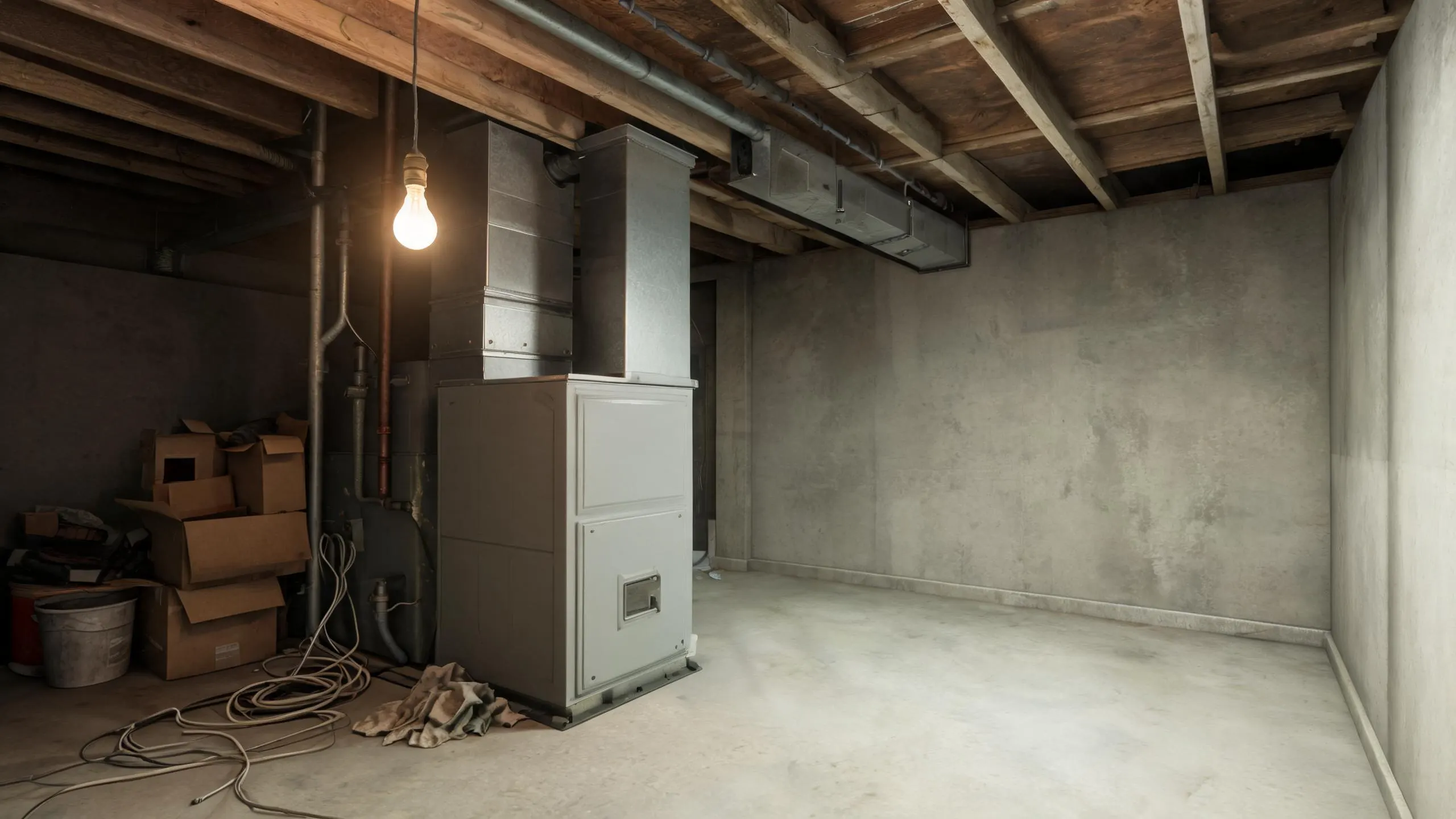
Nine months of heat, and nights near 15 degrees
Your furnace in Española has to work September through May. That's nine months of the year it needs to run, and on winter nights that average 15°F it has to work hard to keep up. A system sized for a mild climate somewhere else will struggle here.
Summer afternoons average 81°F, mild enough that cooling asks little of a new system. The real load is the winter side, so a new furnace or heat pump needs to be sized and installed for that cold, not just for a warm afternoon in May. Rio Arriba County has seen 144 winter storms over the past ten years, and storms bring outages. New Mexico saw 13% of households lose power for 24 hours or more in 2024, so it's worth asking a contractor how a new system handles a cold night with no power and what it takes to get it running again once power is back.
- 9 months
- September through May, your system heats
- 15°F
- the average winter night it heats against
- 81°F
- the average summer afternoon it cools against
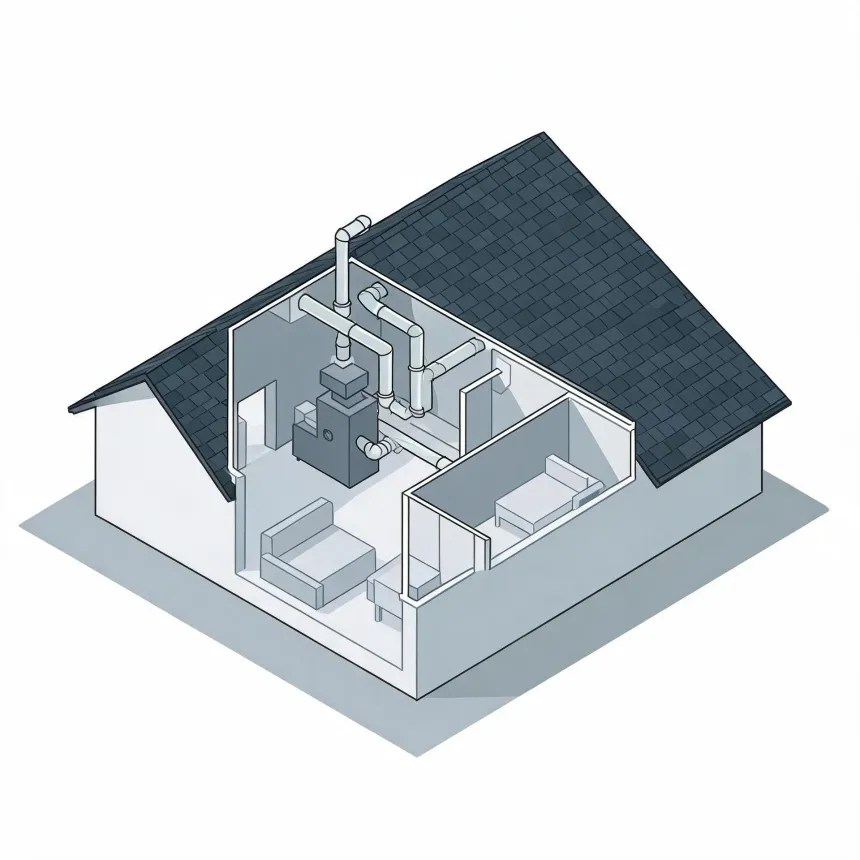
New Mexico requires HVAC contractors to hold a state license.
The Construction Industries Division tests and licenses HVAC contractors across the state, including here in Rio Arriba County. The license belongs to the contractor, not to any single job, so it stays on record whether this is their first install or their thousandth.
That license is what stands behind the work of putting in your new system. Beyond it, the installation still needs a permit from the local building office, and an inspection once the work is done, which is true in most cities and counties in New Mexico. The permit and inspection check that the install itself was done right. The license is what tells you the person doing it was tested and is on record with the state.
Source: New Mexico Regulation and Licensing Department
- When should I replace my HVAC system?
- Once repairs start coming one after another, or a repair costs more than the system has years left in it, replacement makes more sense than another fix. Age matters too. A furnace working hard nine months a year here, September through May, wears faster than one that only runs a few weeks in a mild climate. If it is struggling to keep the house warm on the coldest nights, that is a sign the system is near the end, not just having a bad night.
- Should I replace my furnace and air conditioner at the same time?
- Here, that decision looks different than it would somewhere else. Homes in Española need cooling zero months a year, so there is often no air conditioner in the picture at all. If your home does have one, the usual reason to replace both together is that they were installed together and are wearing out together. But if your furnace is the one doing all the work nine months a year, it is the part worth focusing on.
- What happens during an HVAC installation?
- A contractor removes the old equipment, sets the new furnace or heat pump in place, and connects it to the ducts, gas or electric lines, and controls, then tests it before leaving. In most cities and counties around Española, this work needs a permit from the local building office and an inspection once it's done. That inspection checks that the venting, gas connections, and electrical work meet code, which matters given how many months a year the system here has to run.