
HVAC Installation in Taos, NM
Tell us about the house, and a licensed contractor who covers Taos County will get in touch.
Tell us about the job
It takes about a minute.
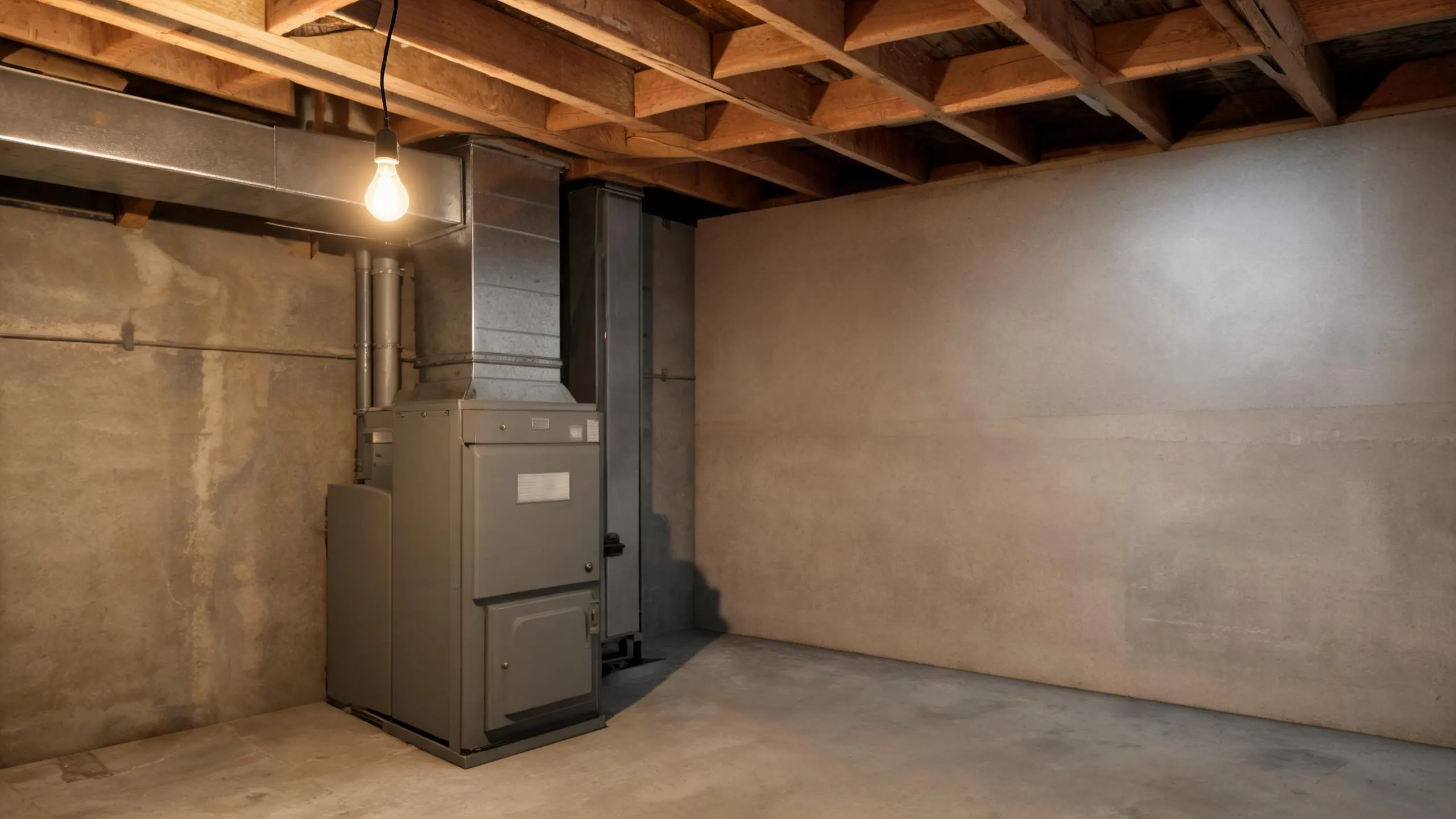
Ten months of heat, one cold county
Winter nights here average 14°F from December through February, and a new system has to hold a house warm against that, night after night. Summers stay mild, averaging 76°F in the afternoon, so cooling asks little of it. The heating side is what matters most, since homes need it from September through June, ten months of the year.
Almost half of homes here heat with gas, and any new furnace has to meet the federal efficiency minimum for gas equipment. Ten years of records show 129 winter storms and 44 damaging wind events in the area, and statewide, 13% of households went at least 24 hours without power in 2024. A new system should be sized and installed to get through a winter like that, not just an average night in it.
- 10 months
- September through June, your system heats
- 14°F
- the average winter night it heats against
- 76°F
- the average summer afternoon it cools against
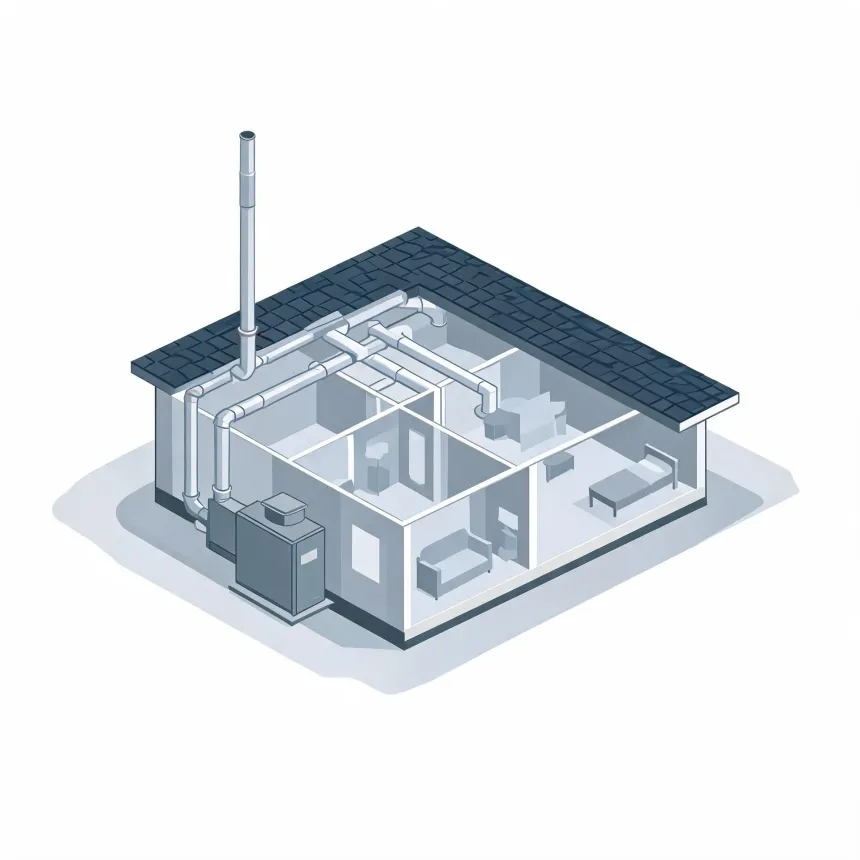
New Mexico requires HVAC contractors to hold a state license.
The Construction Industries Division tests HVAC contractors before they can work in New Mexico, and it keeps a record of who holds that license. The license belongs to the contractor, not to any single job, so the same license has to be in place whether the work is a repair call or a full installation like this one.
For a job like this, the license is the thing that stands behind the work. On top of that, most cities and counties require a permit from the local building office for a new furnace, air conditioner, heat pump or water heater, with an inspection once the installation is done. That permit and inspection check the work itself, separate from the contractor's license.
Source: New Mexico Regulation and Licensing Department
- When should I replace my HVAC system?
- Replace it when a contractor finds the heat exchanger or another major part has failed, or when it can no longer keep the house warm through a night at 14 degrees. Age matters too. A furnace working 10 months a year here wears faster than one that only runs a few weeks a season, so if yours is old and starting to need repairs every winter, that is the point to plan a replacement instead of waiting for it to quit. Waiting for a full breakdown means choosing a system under pressure instead of on your own schedule.
- Should I replace my furnace and air conditioner at the same time?
- Most homes here do not have central air conditioning, since summer afternoons average only 76 degrees and cooling is not something the climate demands. If your furnace needs replacing, that is usually the whole job. A contractor can tell you whether your home has anything on the cooling side worth pairing it with, but for most houses here this is a heating decision alone.
- What happens during an HVAC installation?
- A contractor removes the old furnace, disconnects the gas, power and duct connections, then sets the new unit and reconnects each of those. The vent or flue gets checked or replaced so exhaust leaves the house correctly, and the ductwork gets connected and sealed at the new unit. Once it is running, the contractor tests the ignition, checks the temperature rise, and confirms the thermostat controls it properly. Most cities and counties here require a permit for this work and an inspection once it is finished, and the contractor typically handles that step.