
HVAC Installation in Raton, NM
Tell us about the house, and a licensed contractor who covers Colfax County will get in touch.
Tell us about the job
It takes about a minute.

Nine months of heat, one hard winter
Raton needs heat from September through May. That is nine months a year the furnace is the machine standing between you and a cold house, with winter nights averaging 17°F from December through February. A new system here has to be sized for that cold, not for a mild couple of months in between.
Cooling barely factors in. Summer afternoons average 81°F, and homes here don't carry a cooling season at all. If you're installing new equipment, the heating side is where it earns its keep, and gas is what most homes in the area already run on. The region has also seen its share of winter storms over the past ten years, and statewide, 13% of households lost power for at least 24 hours in 2024. Worth asking any contractor how the new system handles a cold snap if the power goes out with it.
- 9 months
- September through May, your system heats
- 17°F
- the average winter night it heats against
- 81°F
- the average summer afternoon it cools against
New Mexico requires HVAC contractors to hold a state license.
The Construction Industries Division tests and licenses HVAC contractors across the state. That license belongs to the contractor, not to any single job. It means the person or business doing your installation has passed the state's exam and is on record with the state, and that record covers them wherever in New Mexico they work.
For a heating and cooling installation, that license is what stands behind the work itself. It is not the only check on the job. In most cities and counties, a furnace, air conditioner or heat pump installation also needs a permit from the local building office, and an inspection once the work is done.
Source: New Mexico Regulation and Licensing Department
- When should I replace my HVAC system?
- Replace it when repairs get expensive or frequent, or when a breakdown seems likely to happen again soon. If your furnace struggled to keep up last winter, or a technician has already been out more than once this year, that is your answer. Raton homes lean on heat nine months of the year, from September through May, so a furnace that is starting to fail is not something to wait out. A contractor can look at the age and condition of your system and tell you whether repair still makes sense or replacement is the better bet.
- Should I replace my furnace and air conditioner at the same time?
- If both are old, yes, and here is why. A furnace and air conditioner share a blower, ductwork, and often a control system, so pairing new equipment with an old counterpart can mean the new unit never quite performs the way it should. Replacing both together also means one visit, one inspection, and equipment designed to work together from the start. That said, if one system is much newer than the other, there is no reason to replace something that still has years left in it. A contractor can look at the age and condition of each and tell you whether pairing them makes sense for your house.
- What happens during an HVAC installation?
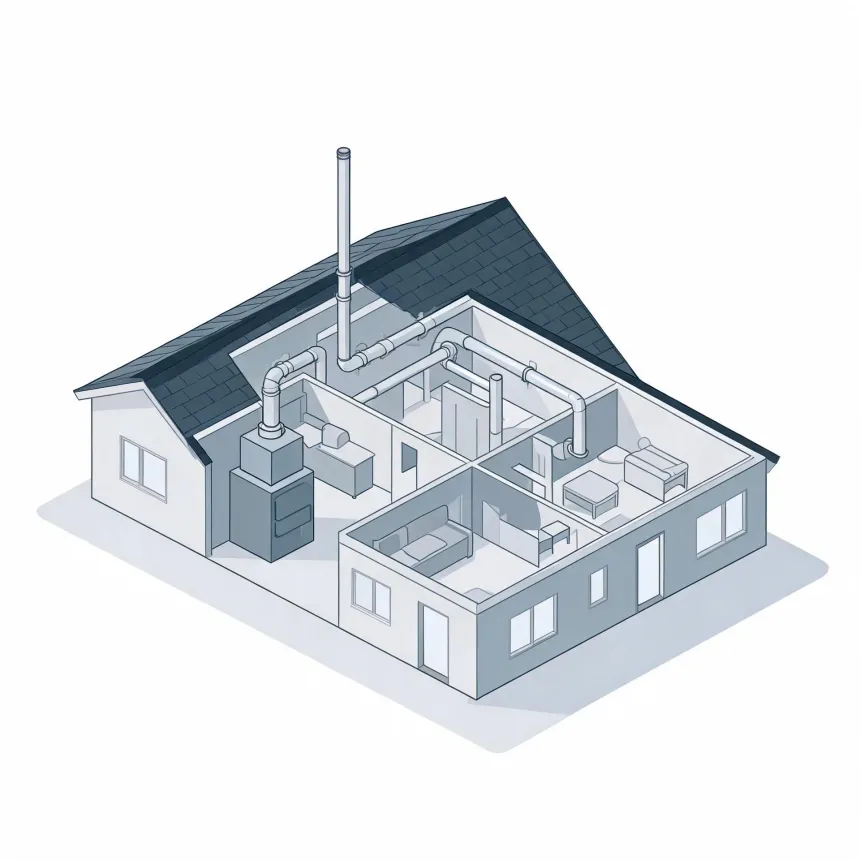
- A contractor removes the old furnace, air conditioner, or both, and sets the new equipment in place, connecting it to your ductwork, gas line or electrical circuit, and venting. Refrigerant lines get connected and tested if you have central air. The system is then fired up and checked, airflow measured, and settings adjusted so it runs the way it is supposed to. Because replacing this kind of equipment needs a permit in most places, the local building office will also send someone out afterward to inspect the work. That inspection is separate from the contractor's own testing and is there to confirm the installation meets code.