
Furnace Installation in Raton, NM
A new furnace here will run from September through May every year. Tell us about the house, and a licensed contractor who covers Colfax County will get in touch.
Tell us about the job
It takes about a minute.
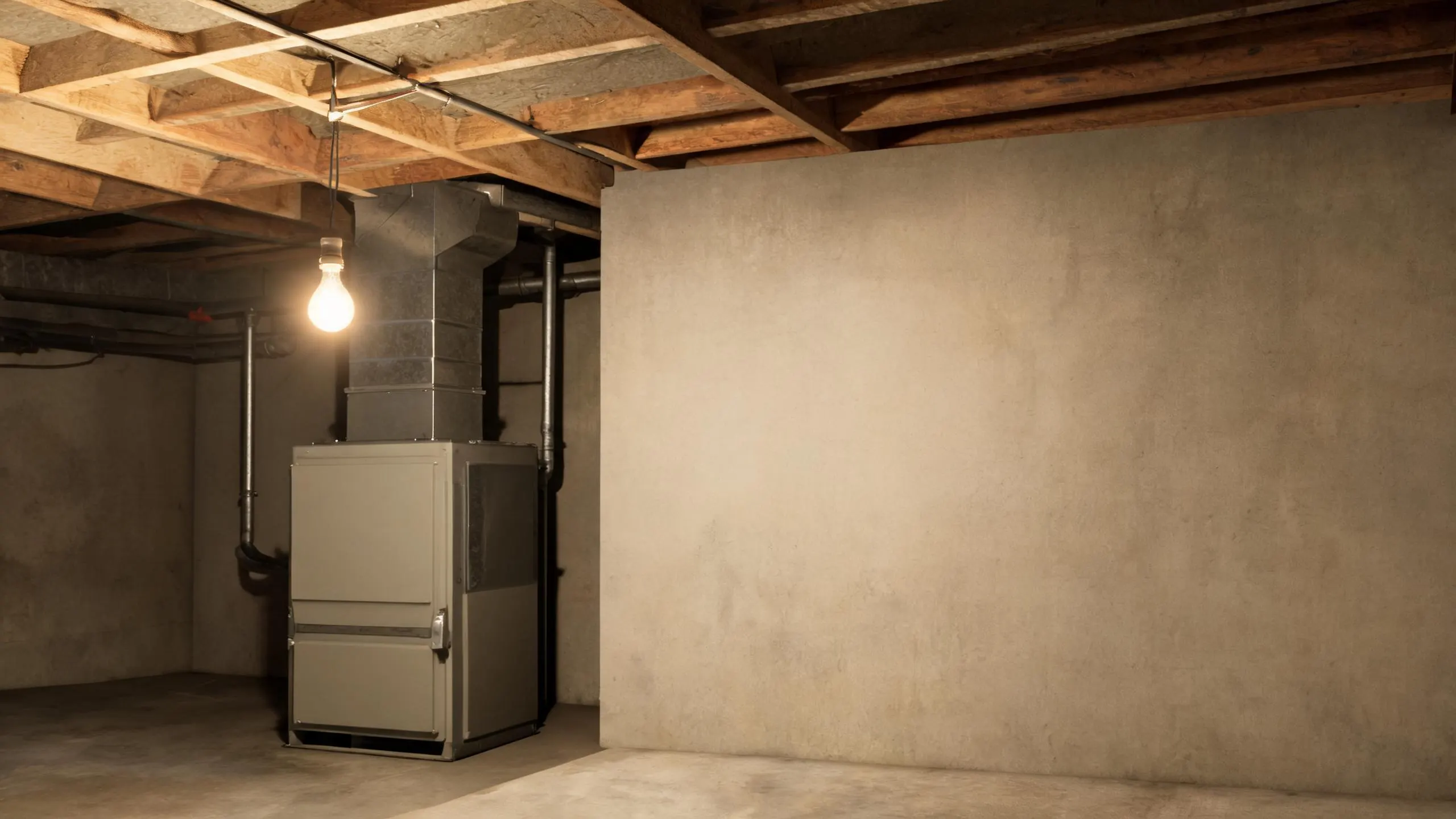
Nine months of heat in Raton
Your furnace here works from September through May. Winter nights average 17°F, and that is the low a new furnace has to answer for night after night, not the coldest snap of the year.
Most homes in Raton heat with gas, and any non-weatherized gas furnace built since November 2015 has to reach at least 80 percent AFUE. That is the floor. What model you install above that floor decides how much of what you burn actually ends up as heat in the house.
- 9 months
- September through May, your furnace is on duty
- 17°F
- the average winter night it heats against
- 59%
- of homes here heat with gas, so most furnaces here burn gas
- 80% AFUE
- the federal minimum any new unit must meet
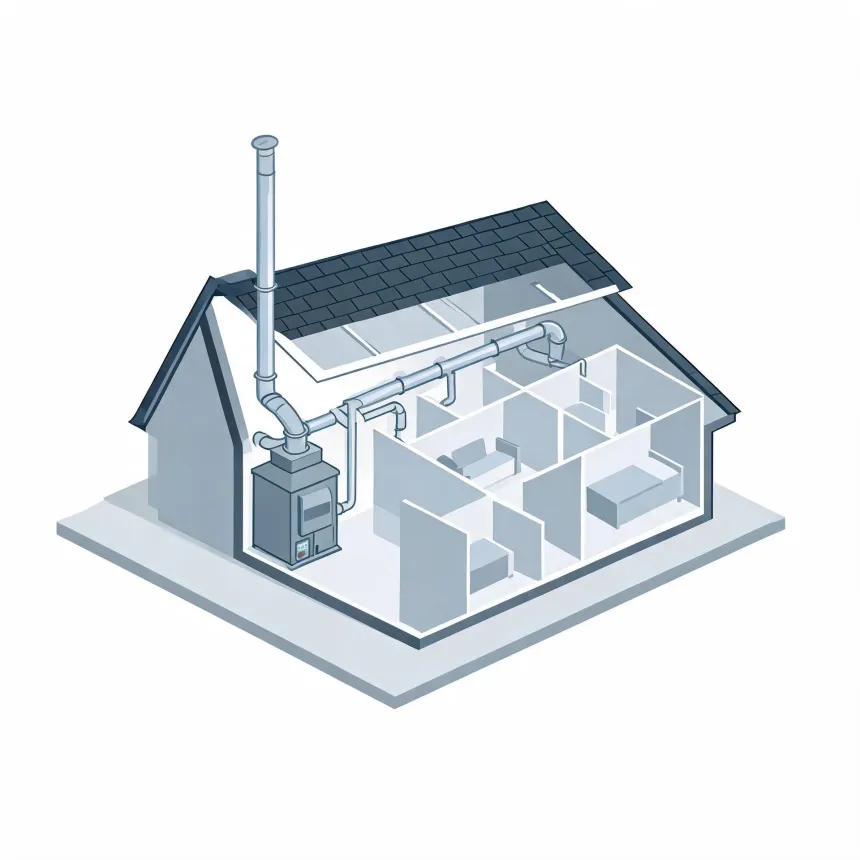
NOAA nClimDiv, 1991–2020 normals

A high-efficiency gas furnace would save about $80 a year to run in Colfax County compared with a gas furnace.
Estimates for a typical Colfax County home, from EIA household energy data, New Mexico fuel prices and NOAA climate normals. Your home will differ.
New Mexico requires HVAC contractors to hold a state license.
The Construction Industries Division tests and licenses the contractor, not the individual job. That license is what stands behind the person doing the work, on this furnace or the next one.
Most cities and counties also require a permit from the local building office for a furnace installation, along with an inspection once the work is done. That inspection checks the installation itself, including the gas connection, which is the part of this job that carries the real risk. In Colfax County, 59.2 percent of homes heat with gas, so a sound gas connection is not a small detail here.
Source: New Mexico Regulation and Licensing Department
- What size furnace does my house need?
- A contractor works this out with a load calculation, not a chart based on square footage. That calculation looks at your insulation, your windows, your ceiling height, and how much air leaks in and out. Guessing too big wastes fuel and cycles the furnace on and off more than it should. Guessing too small leaves you cold on the nights here that drop to 17 degrees, so it's worth having someone measure it rather than estimate it.
- How do I know it's time to replace my furnace?
- Watch for heat that doesn't reach every room, a furnace that cycles on and off more than it used to, or a jump in what you're paying to heat the same space. Age matters too. Furnaces here run from September through May, nine months a year, so they log more hours than in most places and wear accordingly. If a contractor is recommending repairs more than once a season, that's usually the sign to start pricing a replacement instead.
- Is a high-efficiency furnace worth it?
- It depends on how long you plan to stay in the house and what your current furnace is costing you to run. Any furnace made after November 2015 already has to hit at least 80 percent AFUE, so the real choice is between that and a high-efficiency model that can run in the mid-90s or higher. With nine months of heating season here, the difference in fuel use adds up over a winter more than it would somewhere that only runs the furnace a few weeks a year. A contractor can look at your current unit and your gas use and tell you whether the upgrade makes sense for your house.