
HVAC Installation in Los Alamos, NM
Tell us about the house, and a licensed contractor who covers Los Alamos County will get in touch.
Tell us about the job
It takes about a minute.
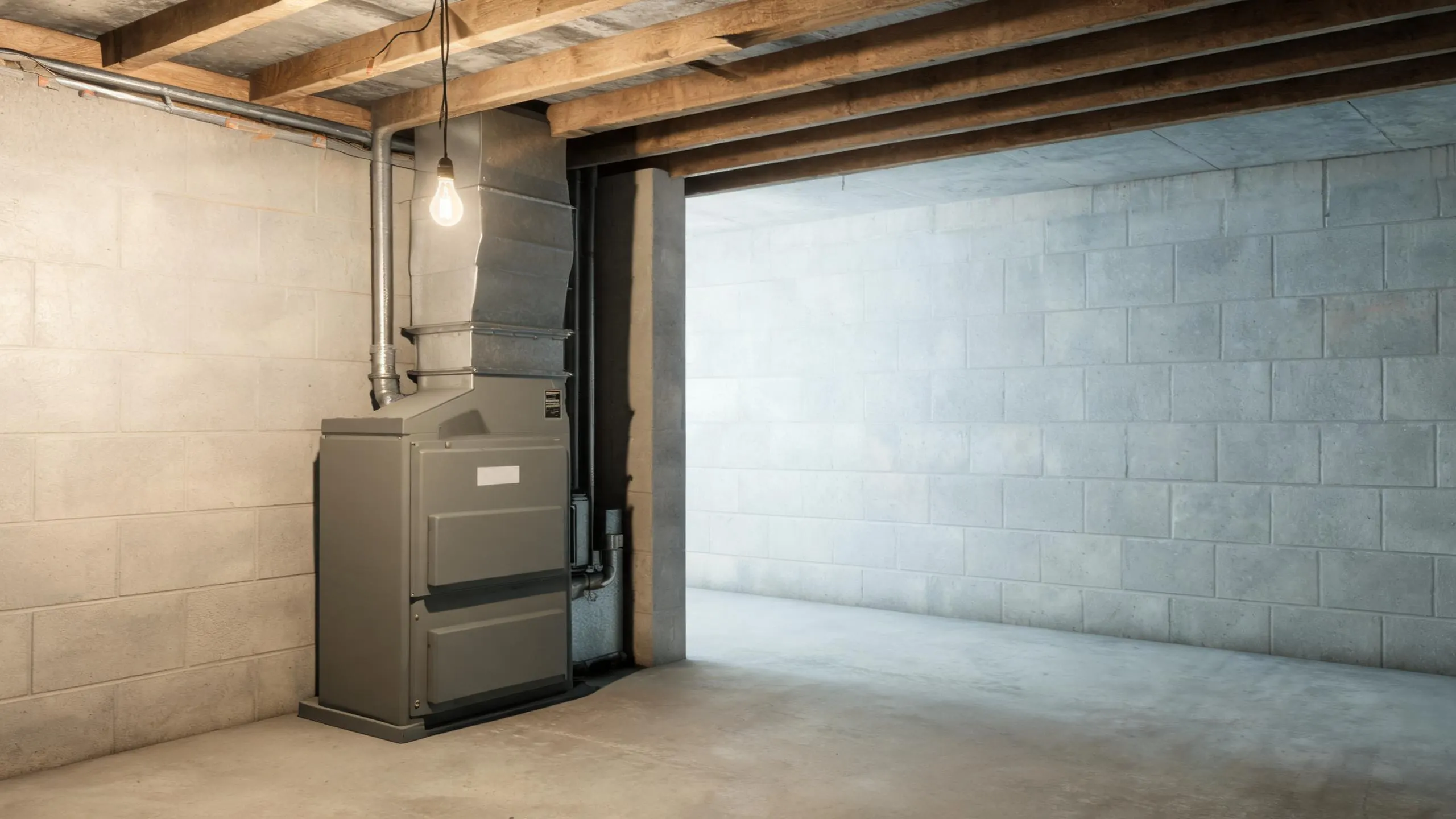
Los Alamos winters ask more of a heating system than most
Nights here average 19°F from December through February, and homes need heat from September through May. That is nine months of the year the furnace is doing the real work of the house. Most homes here heat with gas, and whatever replaces an old system will run through a long, cold season, not just a few sharp weeks.
Summer afternoons average 80°F, mild enough that cooling is not the main job. A new system still has to handle both sides, but here it is sized and chosen around the winter it will face for most of the year.
- 9 months
- September through May, your system heats
- 19°F
- the average winter night it heats against
- 80°F
- the average summer afternoon it cools against
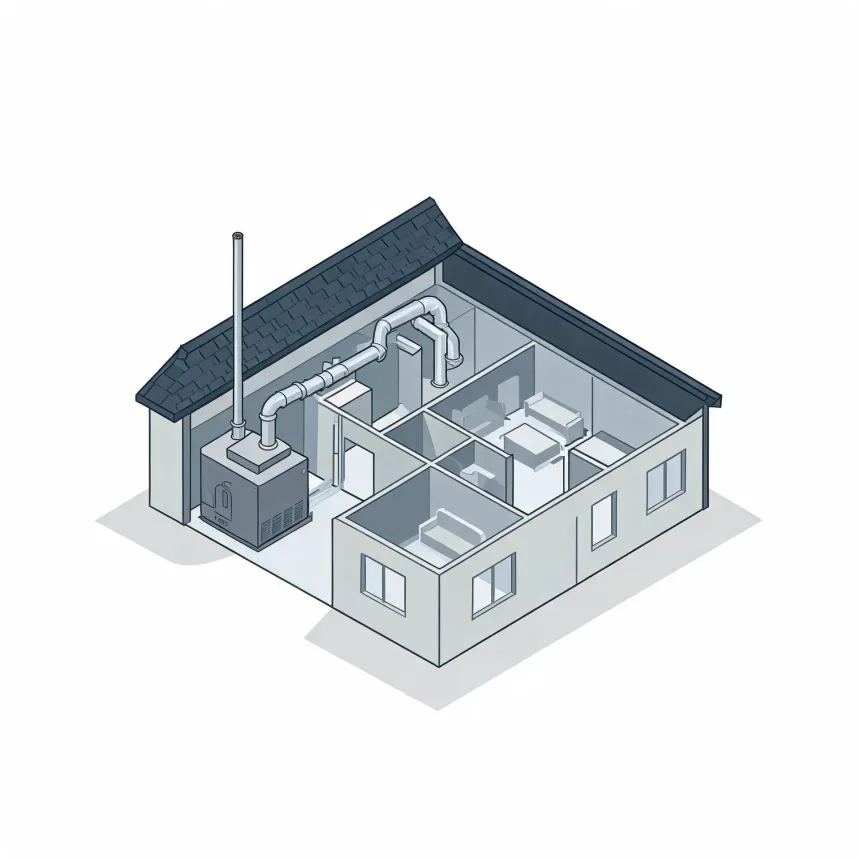
New Mexico requires HVAC contractors to hold a state license.
The license comes from the state's Construction Industries Division, and it belongs to the contractor, not to any single job. The state tested this contractor and keeps a record of them before they ever set foot in your house. It does not cover what happens on this particular installation.
That part falls to the local building office. In most cities and counties here, putting in a new heating and cooling system needs a permit, and the finished work gets an inspection before it is considered done. The license says the contractor was vetted. The permit and inspection are what a building official actually looked at this job.
Source: New Mexico Regulation and Licensing Department
- When should I replace my HVAC system?
- Replace it once repairs start coming often, or once you're told a part is failing that will just fail again. There's no fixed age that means replace it, but a system nearing the end of its life tends to break down more, not less. In Los Alamos your furnace is doing real work nine months of the year, with winter nights averaging 19°F, so it's not the system you want to gamble on once it starts acting up. If a contractor tells you a repair is a big one, ask them to lay out that cost next to a new system before you decide.
- Should I replace my furnace and air conditioner at the same time?
- If both are old, it's worth considering together. A furnace and air conditioner installed at the same time are matched to run as one system, so putting in a new furnace but keeping an old air conditioner, or the other way around, can mean the new part is held back by the old one. Here, most homes heat with gas and the furnace carries the load nine months of the year, so it may be the one that needs attention first. A contractor can look at both and tell you whether replacing them together makes sense for your house.
- What happens during an HVAC installation?
- A contractor removes the old equipment, sets the new furnace or air conditioner in place, and connects it to the ductwork, gas line, electrical, and venting. They'll check that the ducts are sized right for the new equipment, since a system mismatched to its ducts won't heat or cool evenly. Replacing a furnace or air conditioner in most cities and counties needs a permit from the local building office and an inspection once the work is done, so expect that to be part of the job. Afterward the contractor tests the system to make sure it starts, runs, and shuts off the way it should.