
HVAC Installation in Clovis, NM
A new system here will heat from October through April and cool from June through September every year. Tell us about the house, and a licensed contractor who covers Curry County will get in touch.
Tell us about the job
It takes about a minute.
A new system here works most of the year
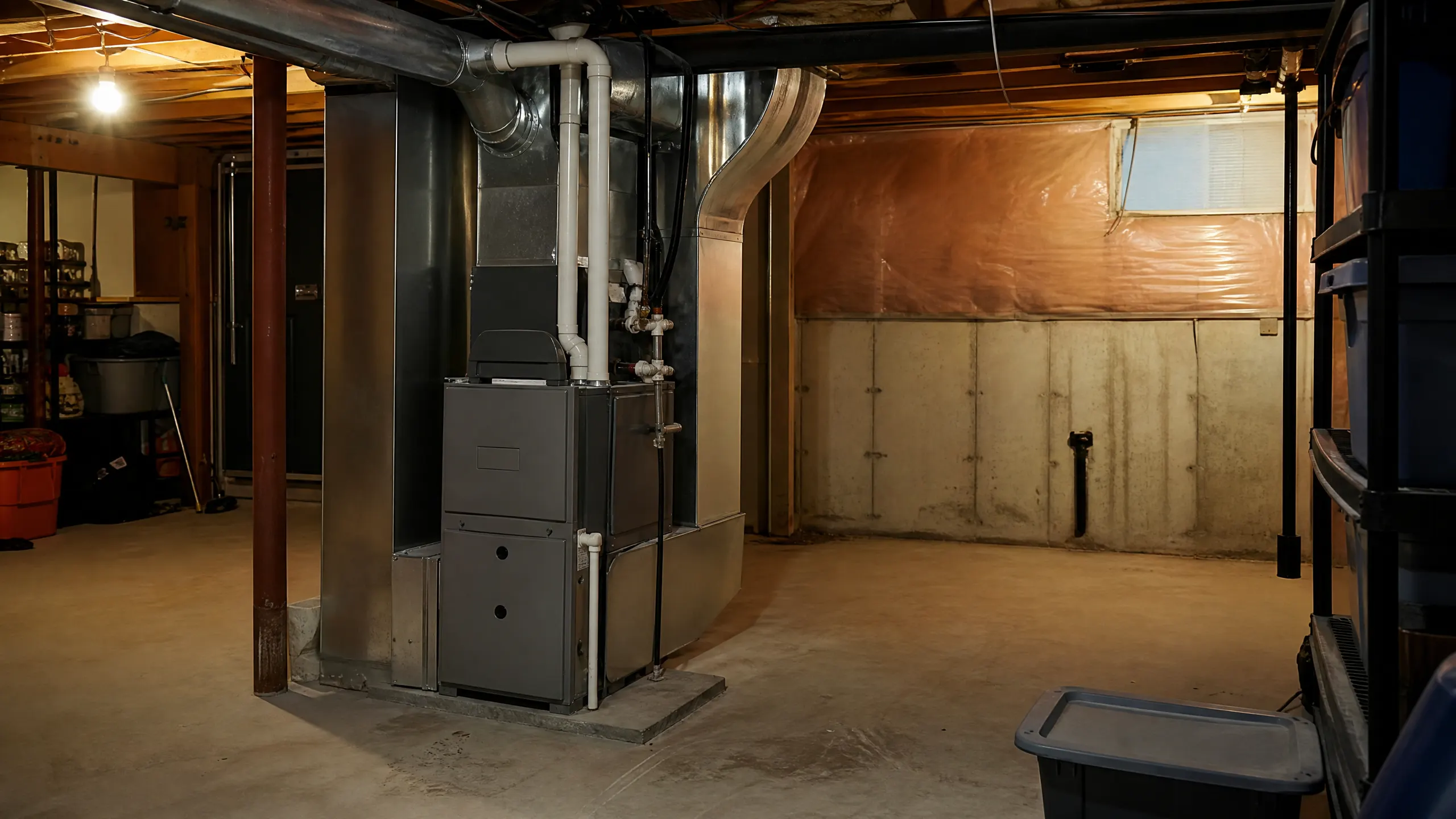
Clovis asks for heat from October through April and cooling from June through September. That is 11 months of the year with the furnace or the air conditioner doing something. Winter nights average 25°F, cold enough that a new furnace needs to hold up to months of regular use, not just a few cold snaps. Summer afternoons average 90°F, so the air conditioner is doing real work for four straight months.
More than half the homes here heat with electricity, and Curry County has seen 8 winter storms and 101 damaging wind events over the past ten years. Statewide, 13% of households lost power for 24 hours or more in 2024. A new system installed here should be sized and set up for a place where the heat runs most of the year and the power does not always stay on.
- 7 months
- October through April, your system heats
- 4 months
- June through September, it cools
- 25°F
- the average winter night it heats against
- 90°F
- the average summer afternoon it cools against
NOAA nClimDiv, 1991–2020 normals
New Mexico requires HVAC contractors to hold a state license.
The Construction Industries Division tests and licenses HVAC contractors across the state, including here in Curry County. That license belongs to the contractor, not to any single job, so it covers the person or company doing the work rather than being issued fresh for this installation.
For a heating and cooling system install, that license is what stands behind the person doing the work. On top of that, most cities and counties require a permit before a furnace, air conditioner or heat pump gets replaced, and an inspection once it's done. That inspection is where someone from the local building office checks the work directly, separate from anything the state license covers.
Source: New Mexico Regulation and Licensing Department
- When should I replace my HVAC system?
- Replace it when repairs start costing more than they're worth, or when the system can't keep up anymore. An older furnace or air conditioner works harder to do the same job, and parts get harder to find as a unit ages. Homes here need heat from October through April and cooling from June through September, so a system that struggles in either season is going to struggle most of the year. If you're calling for repairs more than once a season, that's usually the sign.
- Should I replace my furnace and air conditioner at the same time?
- If both are old, yes, it's worth doing together. A furnace and air conditioner installed at the same time are matched to work as one system, and pairing an old unit with a new one can mean the new one never runs at its full efficiency. It also means one visit and one inspection instead of two. If one unit is still young and working fine, there's no reason to replace it early just to match the other.
- What happens during an HVAC installation?
- A contractor removes the old furnace and air conditioner, or heat pump, and puts the new equipment in their place. This includes connecting the ductwork, wiring, and in most cases the gas line or refrigerant lines, then testing the system to make sure it runs correctly. In most cities and counties, this job needs a permit from the local building office and an inspection when the work is done. A contractor pulling the permit will schedule that inspection as part of the job. The exact steps and timeline depend on the equipment and the house, so a contractor can walk you through what your installation will involve.