
AC Maintenance in Clovis, NM
Air conditioners here run from June through September, so May is the time for a tune-up. Tell us about your system, and a licensed contractor who covers Curry County will get in touch.
Tell us about the job
It takes about a minute.
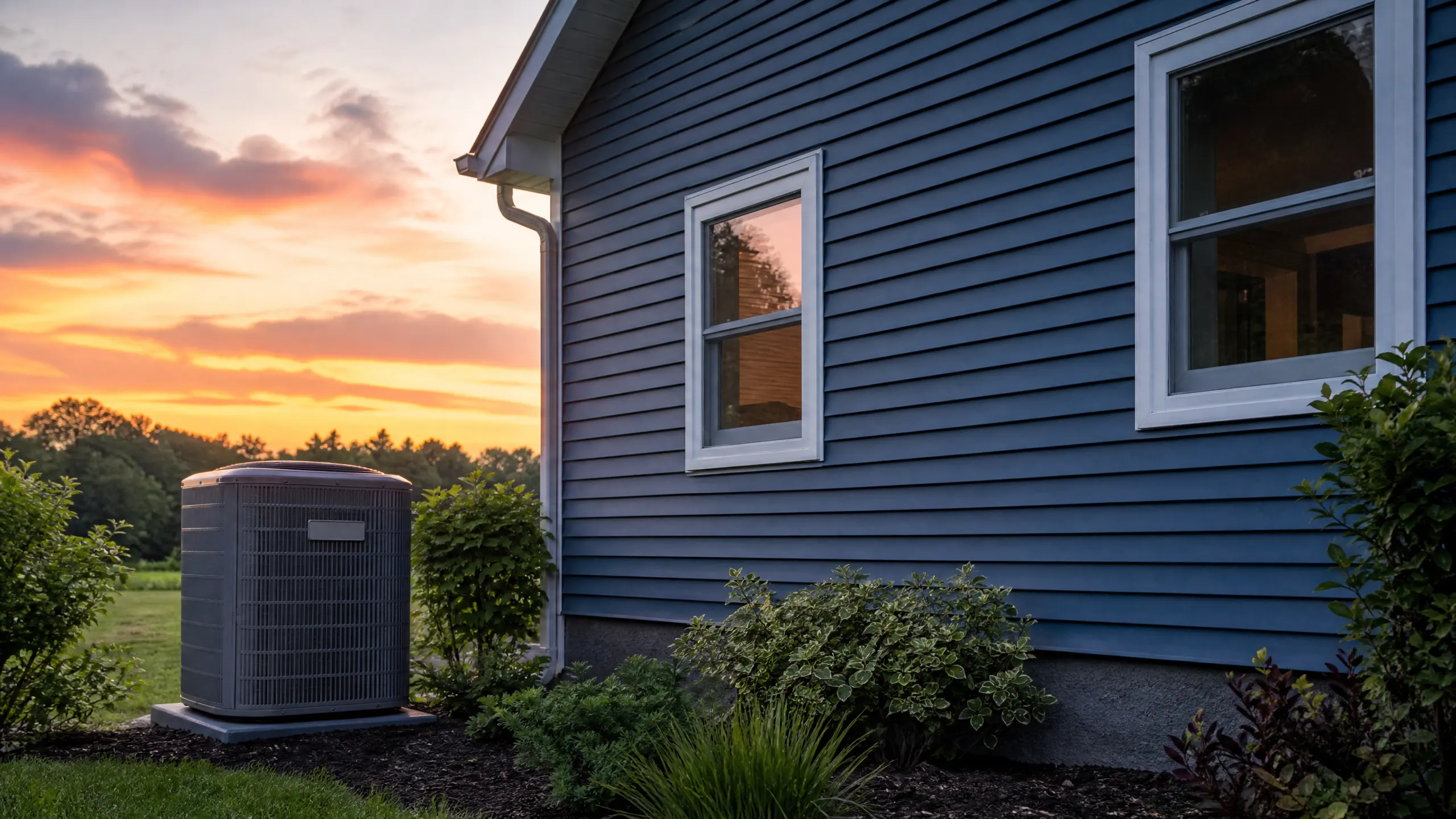
Four months of hard work, then months idle
Your air conditioner in Clovis runs June through September, working through afternoons that average 90°F. The rest of the year it sits. That kind of stop-and-start life is harder on a system than steady use, and a unit that sits idle can develop problems that only show up once it's asked to run again.
Curry County has also seen its share of rough weather, with 99 hail events and 101 damaging wind events recorded over the past ten years, including hail up to 2.75 inches across. That kind of storm can bend fins on the outdoor coil or knock the unit out of level without any sign from inside the house. A tune-up before summer is when a contractor checks the coil, the refrigerant charge, and the electrical connections, so anything that happened over the winter or in a spring storm gets caught before the first hot week.
- 4 months
- June through September, your air conditioner is on duty
- 90°F
- the average summer afternoon it cools against
- 99 hail events
- in ten years, and hail bends the fins on outdoor coils
- 101 wind events
- in ten years, and wind drives debris into outdoor units
NOAA nClimDiv, 1991–2020 normals

Book your AC tune-up in May, before homes here start needing cooling in June.
- Jan
- Feb
- Mar
- Apr
- May
- Jun
- Jul
- Aug
- Sep
- Oct
- Nov
- Dec
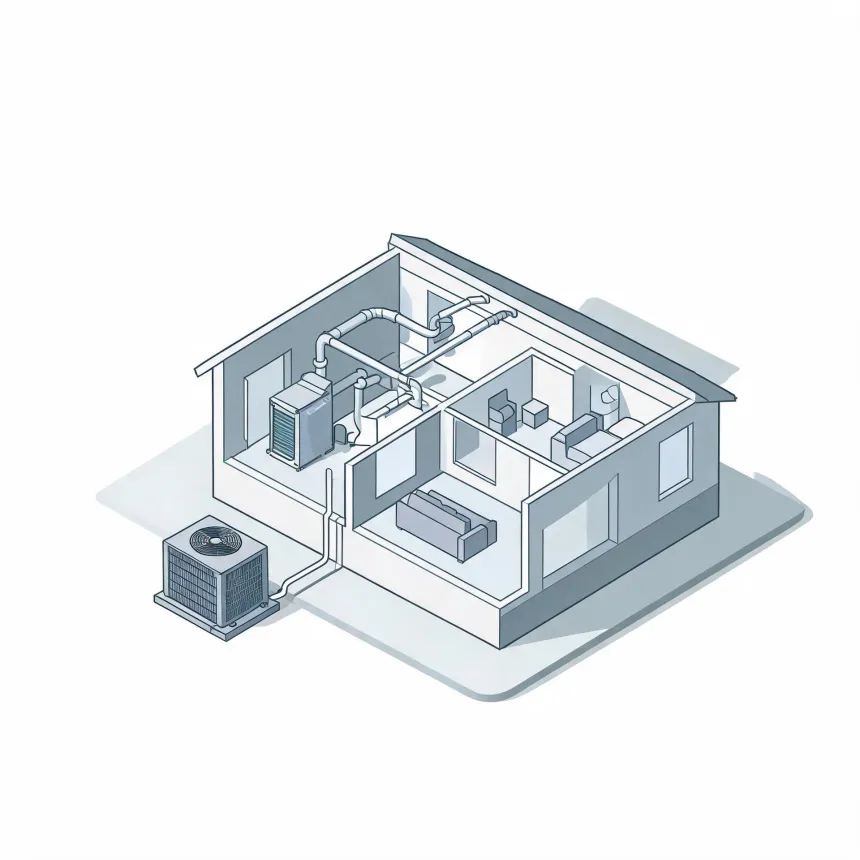
A tune-up checks the refrigerant charge, cleans the coils, tests the capacitor and tightens the electrical connections.
New Mexico requires HVAC contractors to hold a state license.
The Construction Industries Division tests and licenses HVAC contractors in New Mexico, and it keeps a record of who holds that license. The license belongs to the contractor, not the job, so the same license that covers a full system install covers a maintenance visit.
For a maintenance call on your air conditioner, that license is what stands behind the person in your home. If the work involves opening the refrigerant side of the system, the technician also needs EPA Section 608 certification, which is federal and applies in every state. That certification exists because refrigerant has to be handled and recovered a certain way, not because the state requires it on top of the license.
Source: New Mexico Regulation and Licensing Department
- What does AC maintenance include?
- A technician checks refrigerant pressure, cleans the condenser coil, and tests the capacitor and contactor for wear. They also check the blower motor, inspect the filter, and look over the electrical connections for any signs of corrosion or loose wiring. Anyone working on the refrigerant side has to hold EPA 608 certification, since that's federal law for every technician everywhere. The point of all this is catching a weak part before it fails on a 90°F afternoon, which is what summer days here look like from June through September.
- How often does an air conditioner need maintenance?
- Once a year is standard, ideally before summer starts. Here that means getting it done before June, so the system is ready for the four months it runs hardest. A yearly check catches a dirty coil or a weak capacitor while it's still a small problem, not a breakdown in the middle of a 90°F stretch.
- Is AC maintenance worth it?
- Yes, because it catches small problems while they're still cheap to fix. A dirty coil or a weak capacitor makes the system work harder, and either one can lead to a breakdown during the hottest part of summer. With hail and wind common here, this area has seen 99 hail events and 101 damaging wind events over the past ten years, it's also worth having a contractor check the outdoor unit for storm damage while they're already looking at it.