
HVAC Installation in Portales, NM
A new system here will heat from October through April and cool from May through September every year. Tell us about the house, and a licensed contractor who covers Roosevelt County will get in touch.
Tell us about the job
It takes about a minute.
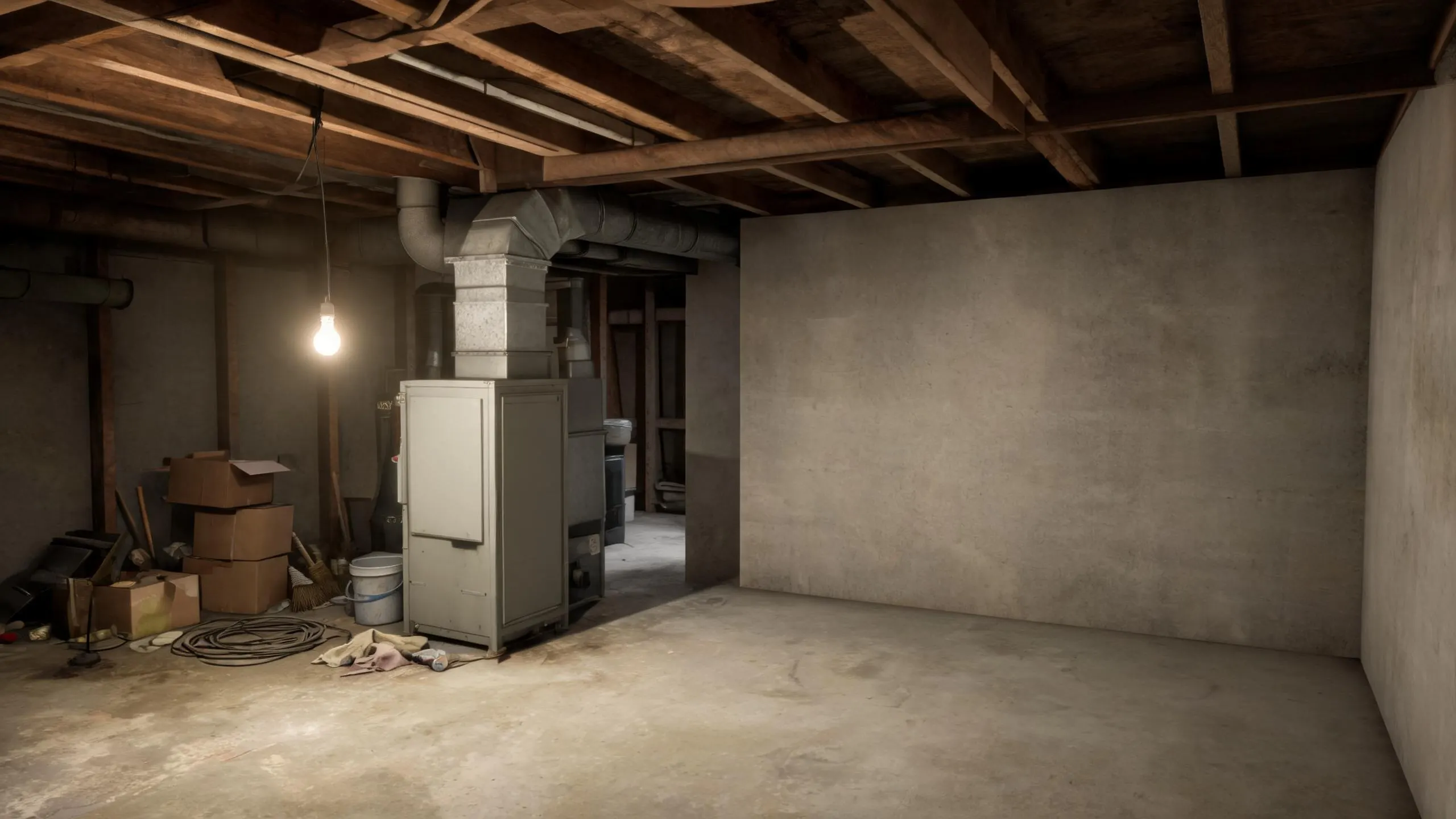
Portales asks a lot of a heating and cooling system
Your system runs almost all year here. Heat from October through April, seven months. Cooling from May through September, another five. That leaves almost no month where it just sits idle.
Winter nights average 26°F, cold enough that the furnace or heat pump runs through the night for months at a stretch. Summer afternoons average 91°F, so the air conditioner works just as hard the other part of the year. More than six in ten homes here heat with electricity, and the region has logged 53 damaging wind events over the past ten years, the kind that can cut power. A new system needs to hold up under both the cold nights and the hot afternoons, and start back up on its own once the power is back.
- 7 months
- October through April, your system heats
- 5 months
- May through September, it cools
- 26°F
- the average winter night it heats against
- 91°F
- the average summer afternoon it cools against
NOAA nClimDiv, 1991–2020 normals
New Mexico requires HVAC contractors to hold a state license.
The Construction Industries Division licenses HVAC contractors in New Mexico, and the license is tied to the contractor, not to any one job. That means the state tested this contractor and keeps a record of them, and that same license has to cover this installation and every other job they take on.
For an installation, that license is what stands behind the person doing the work in Roosevelt County. In most cities and counties, putting in a new heating and cooling system also needs a permit from the local building office, with an inspection once the work is done. That inspection checks the installation itself, separate from whether the contractor is licensed to do it.
Source: New Mexico Regulation and Licensing Department
- When should I replace my HVAC system?
- Once your furnace or air conditioner needs repairs more than once a season, replacement is usually the better call than keep paying for repairs. Watch for signs like uneven heating, rooms that never cool down, or a system that runs longer than it used to just to keep up. Here, that system works all year, heat from October through April and cooling from May through September, so a unit on its last legs does not get much rest. If a contractor has been out more than once recently, get a quote on replacement rather than wait for the next breakdown.
- Should I replace my furnace and air conditioner at the same time?
- If both are old, yes, it is often worth doing together. A furnace and air conditioner installed at different times can end up mismatched, and a mismatched system may run less efficiently than two units built to work as a pair. Since homes here need heat seven months of the year and cooling five, both sides of the system see real use and tend to wear down on a similar schedule. If your furnace is failing and your air conditioner is not far behind it, ask a contractor whether pairing the replacement makes sense for your house.
- What happens during an HVAC installation?
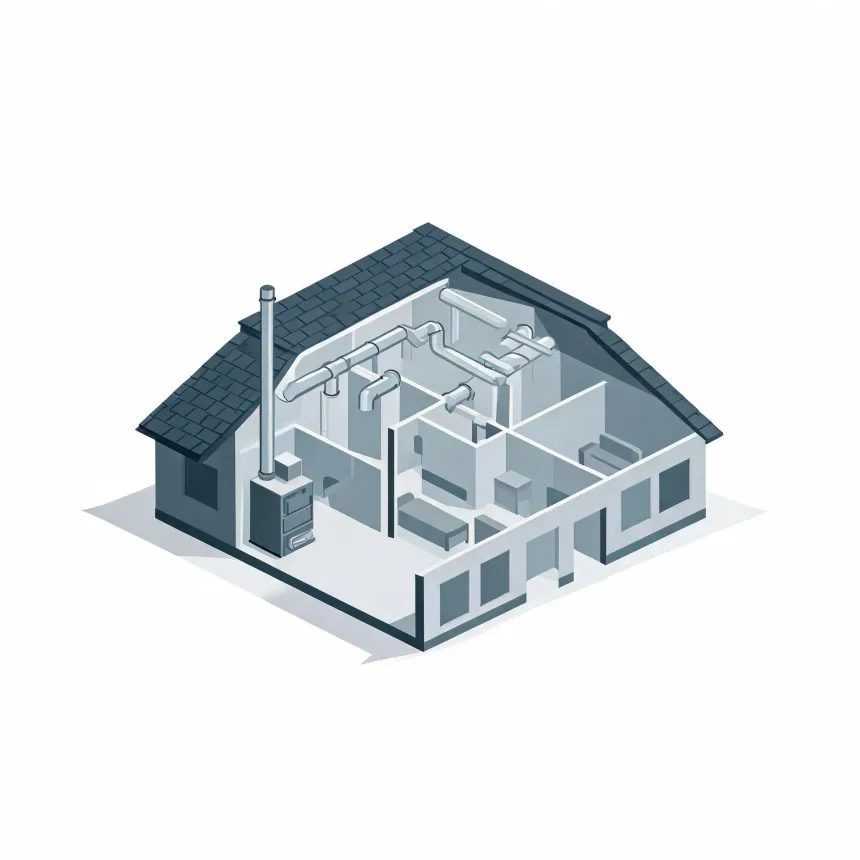
- A contractor removes the old furnace and air conditioner or heat pump, sets the new equipment in place, and connects it to your ductwork, electrical, gas line, and condensate drain. Refrigerant charge gets checked, airflow gets tested, and the thermostat and controls get confirmed working before the contractor leaves. New Mexico requires the contractor doing this work to hold a state license through the Construction Industries Division, and in most cities and counties the job also needs a permit from the local building office and an inspection once the work is done. That inspection confirms the system was installed correctly, so it is worth having even if the contractor offers to skip it.