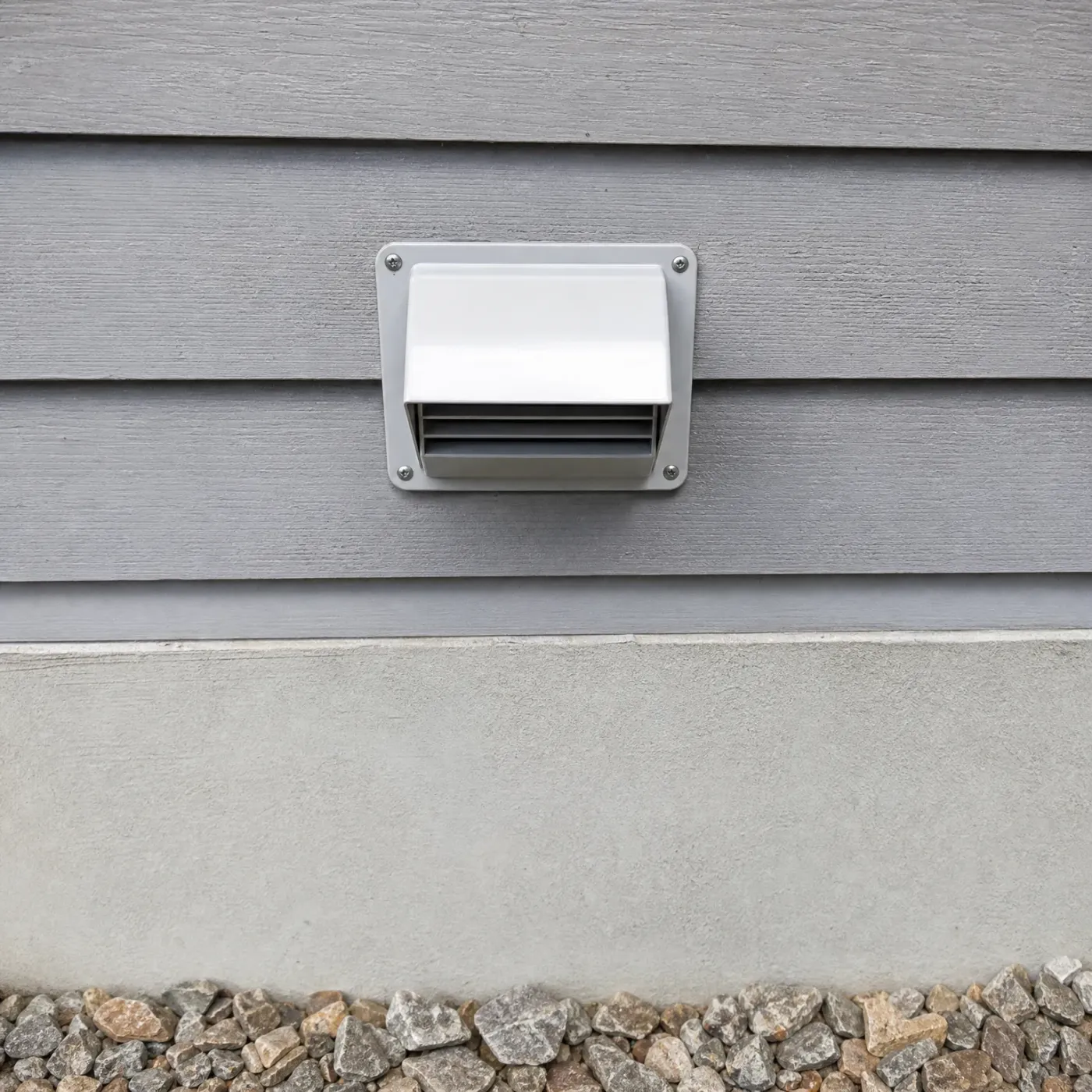
Clear and venting well
This is what a clean vent looks like. The louvers sit open and move freely when the dryer runs, letting hot air escape in a steady stream. Loads dry in one cycle, and the outside wall stays free of lint around the hood.
Get matched with a dryer vent pro in San Juan County
Once a year is the usual answer, but a long run of dry Farmington summer heat or a cold San Juan County winter with the dryer working overtime can change that. Lint builds up differently depending on how much you use the dryer and how long the vent run is. Below is what shapes the timing, and a way to get matched with a contractor who can look at your setup and tell you where you actually stand.
Get a dryer vent proOnce a year is the right schedule for most homes in Farmington, but the number that matters more is how the dryer behaves. If towels take two cycles to dry, or the top of the dryer feels hot to the touch, lint has already built up enough to slow the airflow down. That happens faster in houses where the dryer runs almost every day, or where the vent run is long with a few bends in it before it reaches outside. A once-a-year cleaning is the baseline, not a limit. Winters in San Juan County mean more loads of laundry drying indoors, and that extra use adds lint faster than a quiet summer month would. A vent that is clogged does two things at once: it makes the dryer work harder, and it holds heat and lint together in one place behind the wall. Checking the outside vent hood for a weak airflow is a simple way to tell if it is time sooner than the calendar says.
2.86 people per household on average
San Juan County households run 2.86 people on average, and that's more loads of laundry moving through your vent every week than a one or two person home sees.
Half the homes here were built by 1986
Half the homes in San Juan County were built in 1986 or earlier. An older vent run, especially if it's longer or has more bends than today's codes call for, traps lint faster.
Power here costs 13.92 cents per kilowatt-hour
Electricity here runs 13.92 cents per kilowatt-hour, close to typical. A clogged vent makes an electric dryer work harder to push air through, and that shows up on the bill before you notice anything else.
ACS 2020-2024 · EIA-861 2025
This is what a clean vent looks like. The louvers sit open and move freely when the dryer runs, letting hot air escape in a steady stream. Loads dry in one cycle, and the outside wall stays free of lint around the hood.
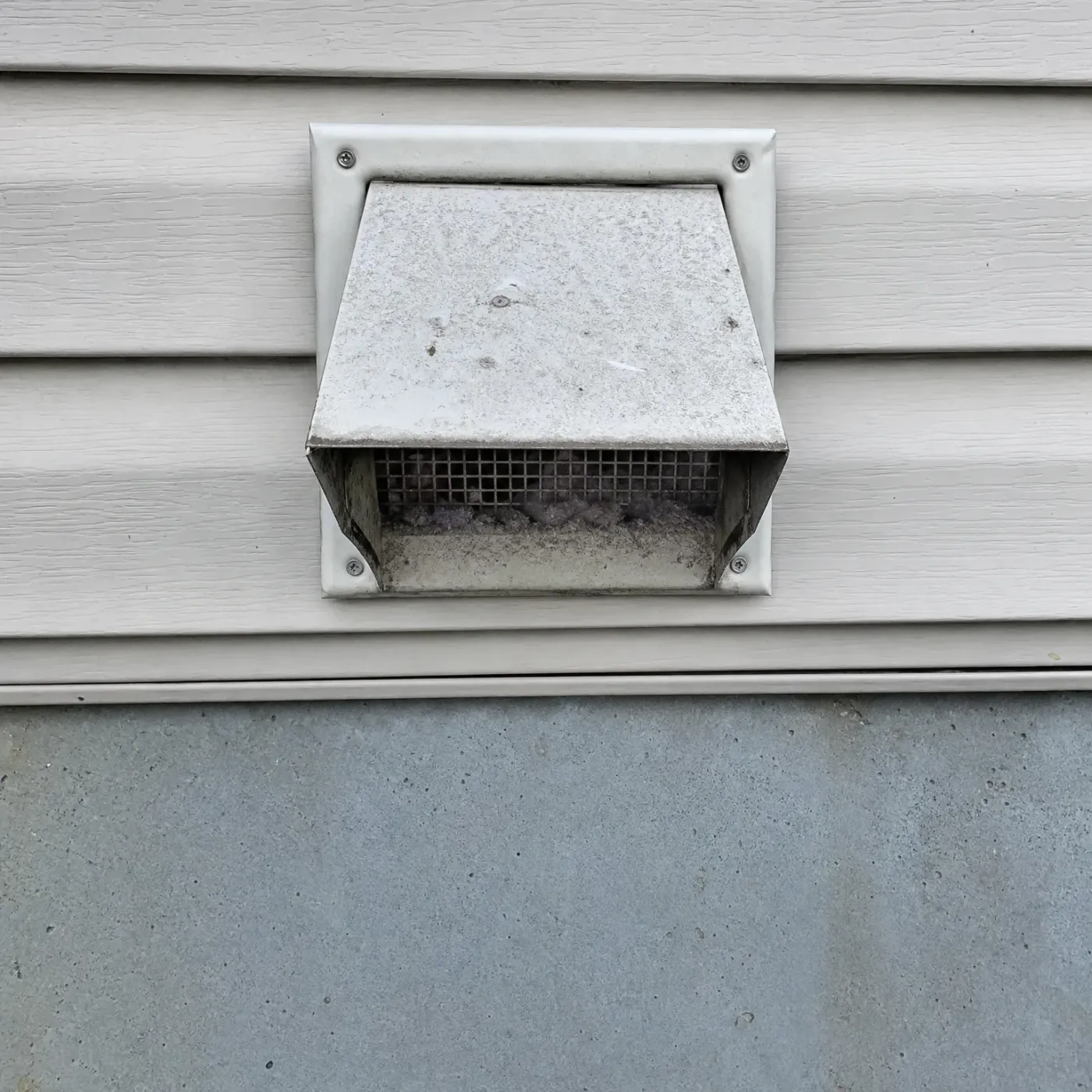
The mesh screen here is packed solid with lint, and air can barely push past it. A dryer working against buildup like this takes longer to dry clothes and runs hotter than it should. Left alone, the clog only gets thicker.
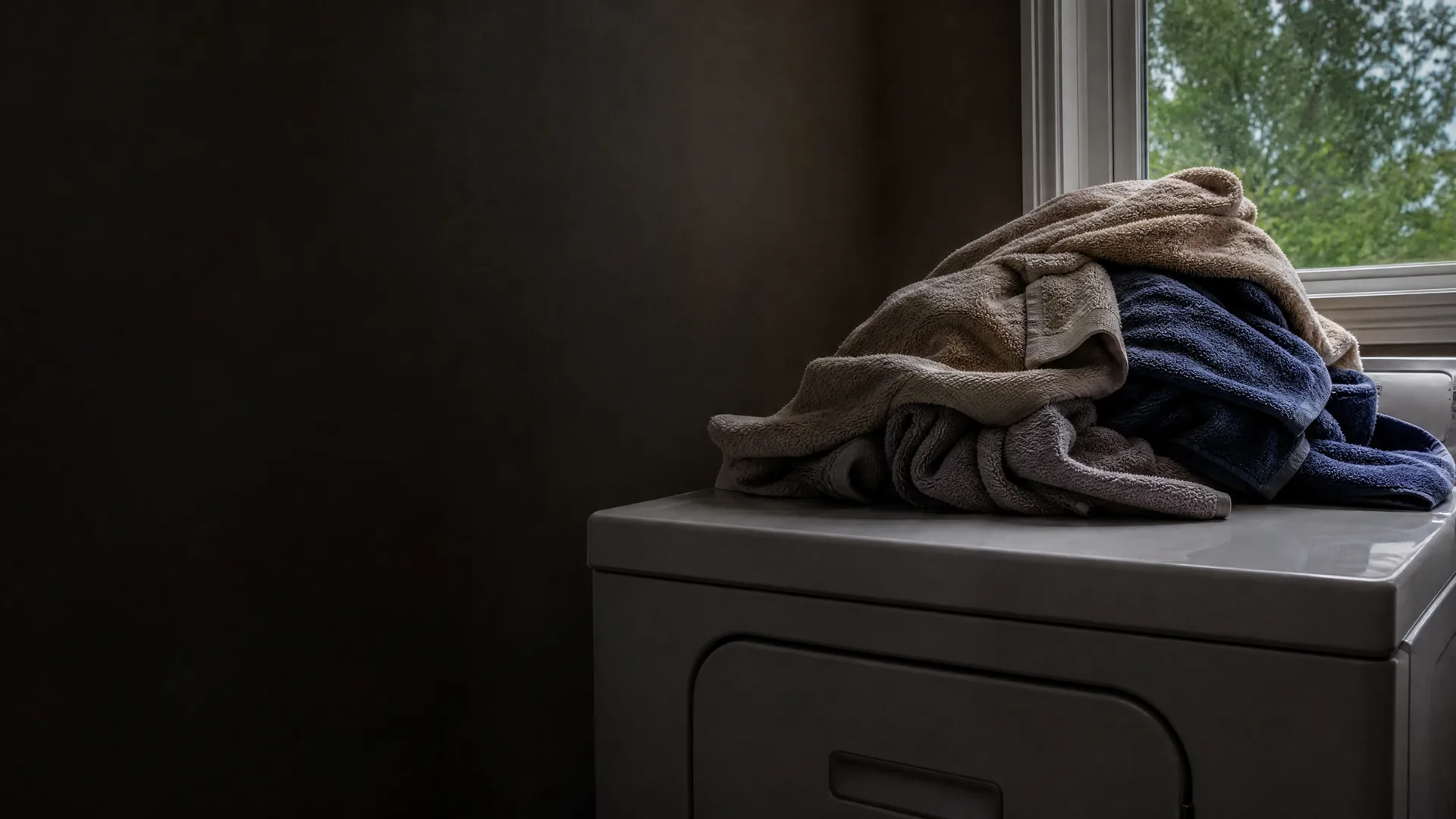
It's past seven on a Tuesday and you're pulling the third load out of the dryer, still damp at the edges. The towels went in after dinner, over an hour ago, and now they sit in a heap on top of the machine while you check the lid to see if it's running hot. It is, warmer than it should feel. Outside, the evening has cooled off some after another dry San Juan County day, but the laundry room still feels close and warm, and the dryer is still ticking as it sits there, not quite done with its job.
A vent that's running slow doesn't announce itself until a load comes out damp twice in a row, and by then lint has been sitting in that run through at least one Farmington summer of heavy use. You can keep tracking the signs yourself, the hot top panel, the longer cycles, the musty smell near the hood, but once you've noticed them it's already past the point where a quick brush pass fixes it for good. A contractor who clears vents for a living can get into the full run, not just the few feet past the hood, and check the hood louvers for the kind of buildup that blocks airflow without you knowing until a bill or a breaker tells you. Handing this off means you stop having to guess whether what you're seeing is normal wear or an actual clog. That's one less thing to monitor through another San Juan County winter when the dryer is running more loads than usual and you'd rather not be checking the top of the machine every week to see if it's hot.
A clogged vent doesn't just slow drying. It makes the dryer run hotter and longer to finish each load, and that heat has nowhere to go but back into the drum and the room around it.
Gas dryers push exhaust and moisture through that same vent, so a restricted line means that air is working its way back into the house instead of outside, where it belongs.


Some homes in Farmington have the dryer sitting close to an outside wall, with a vent run that goes just a few feet before it reaches the hood. Lint moves through that distance easily and doesn't have much chance to settle. A dryer set up this way can often go the full year without showing any signs of slow drying, and once a year cleaning is more of a safety check than a fix for a real problem. The shorter the run, the less that schedule needs to bend.
Other homes have the dryer in a laundry room or basement, with the vent running a longer distance and bending around corners to reach outside. Lint settles at every turn, and a long run gives it more surface to catch on before the air ever reaches the hood. A household drying a lot of towels and bedding through one of these runs can see slow drying show up well before the year is out. If your vent bends more than once or twice, cleaning it on a tighter schedule makes sense.
At 2.86 people, most San Juan County houses are doing laundry for a small family, not one or two people. That's close to daily loads through the same vent run, so lint has more chances to build up between cleanings than it would in a lighter household.
ACS 2020-2024
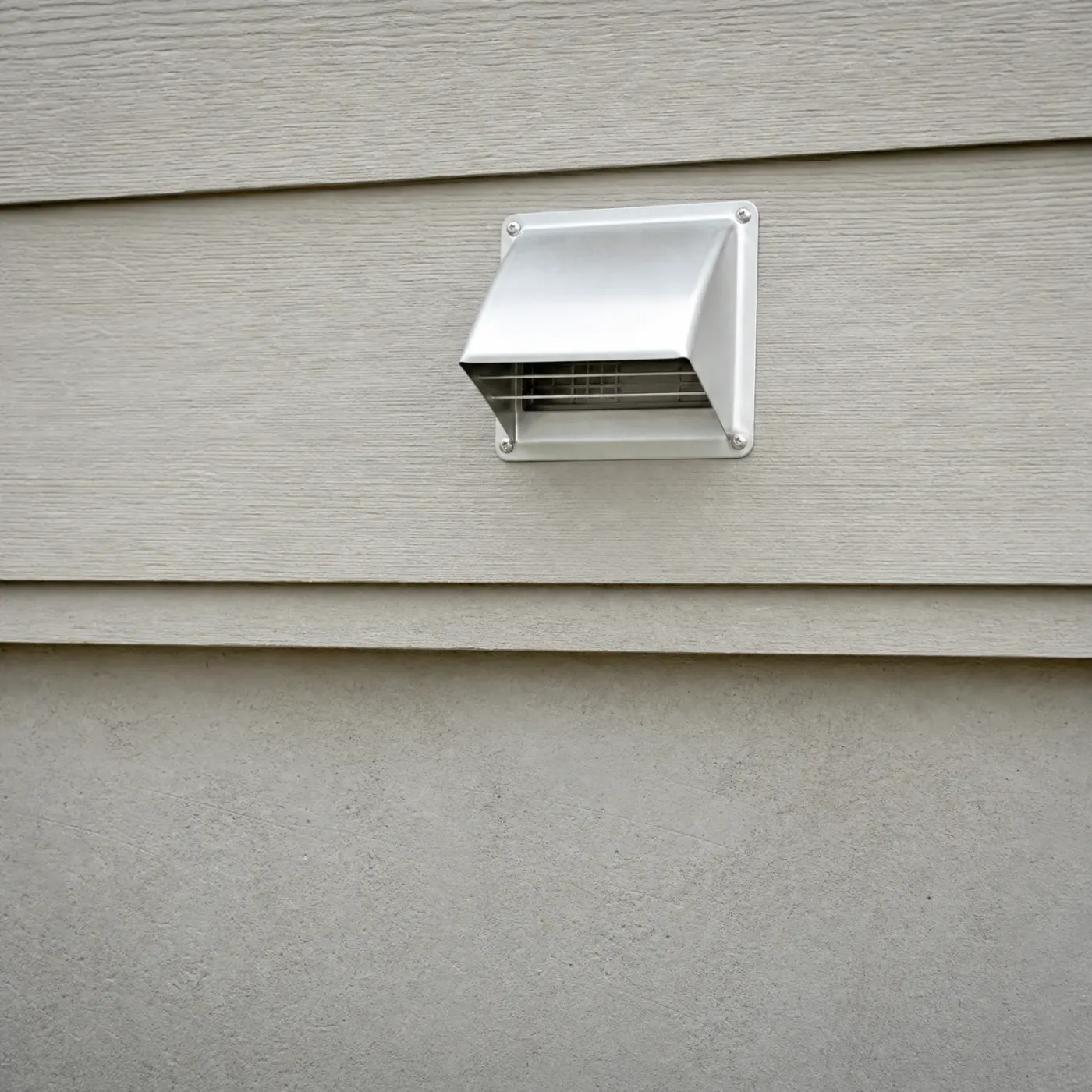
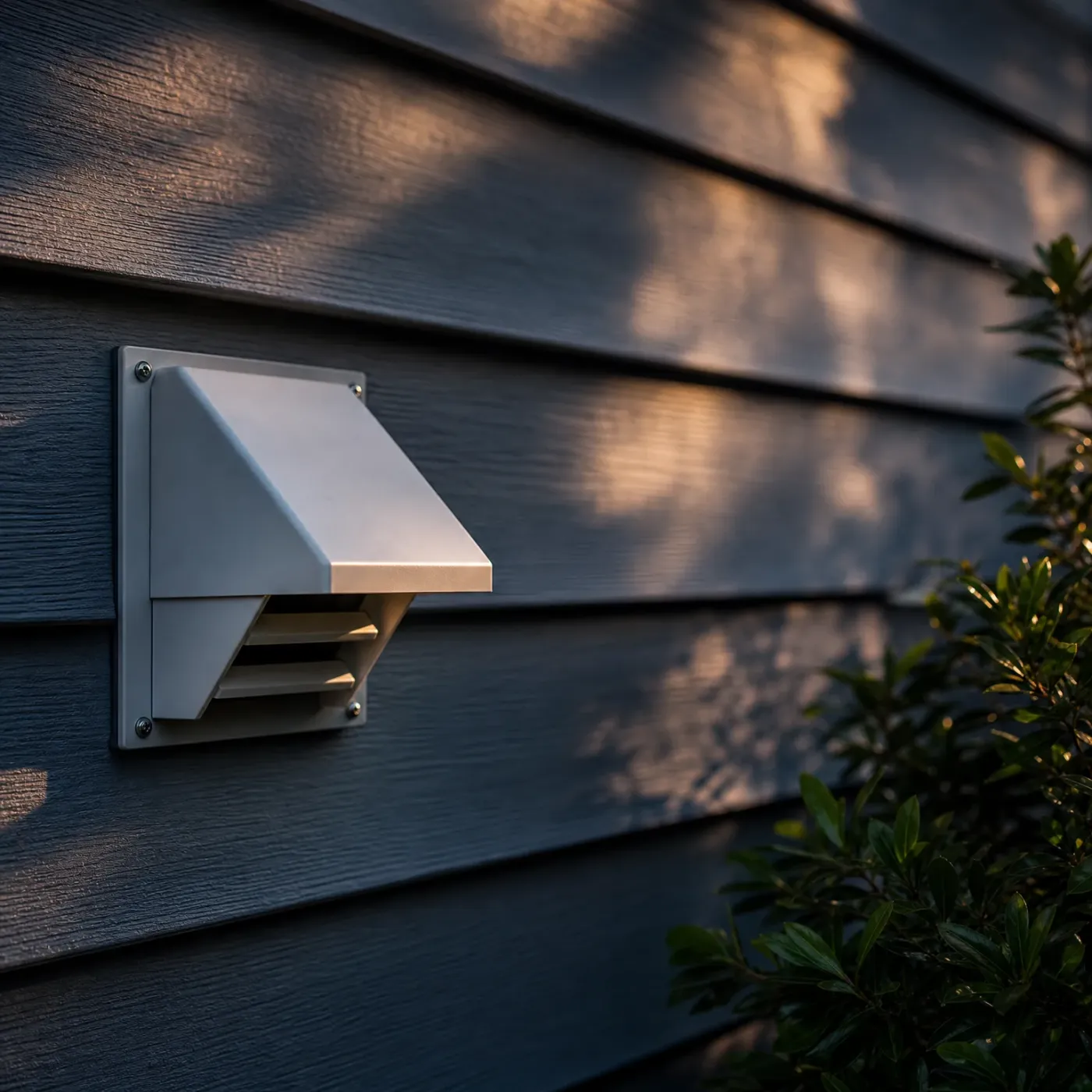
The louver sits flush against the wall and swings open when the dryer kicks on. No dust ringing the screws, no buildup around the flap. Air moves out in a steady stream and the hood stays clean because the lint isn't making it this far.
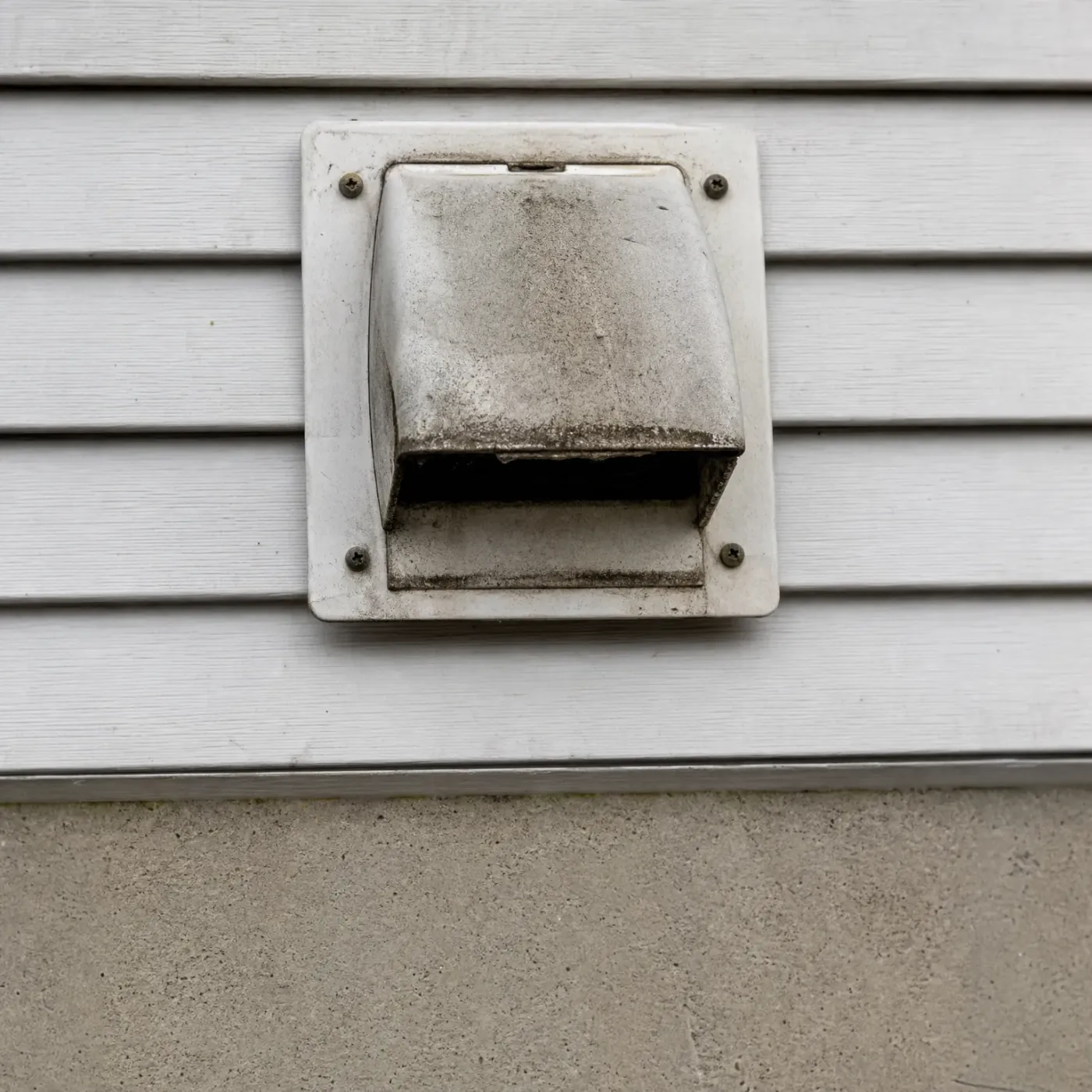
Dust has settled into every seam around the flap and built up thick enough to see from across the yard. The flap can't sit flush anymore with that much caked on it, so it doesn't seal right even when the dryer is off.


The baseline schedule for a typical San Juan County household. It keeps lint from building past the point where the dryer has to work harder to push air through.
Fits a household running loads most days, or a vent run with a few bends in it. Catching lint twice a year keeps the airflow from ever falling off enough to notice.

The answer for most homes around Farmington and the rest of San Juan County is once a year. If the dryer runs most days, or the vent run is long, six months fits better. Either way, the dryer itself will tell you before the calendar does. Watch how long a load takes and how hot the top of the machine gets, and let that decide when it's time.
You don't have to figure out the rest on your own. Once you request service, the job of finding someone qualified is off your plate, and a contractor who covers your part of San Juan County will reach out to go over what your vent run and your household actually need.





A dryer vent pro near you
Send the form and finding a dryer vent cleaner is handled.
