




Birds nesting in a dryer vent in Farmington, NM

Find a dryer vent pro

A bird in your dryer vent in Farmington doesn't just stay there. Nesting material blocks the hood flap, and that same vent has to push out hot, damp air every time you run a load. Once it's packed with twigs and feathers, that air backs up instead of venting outside, and your dryer works harder and takes longer to do the same job. Spring is when this usually starts, and by summer a vent that worked fine last year can be half blocked without any clear sign except longer dry times. Checking a vent run yourself means getting on a ladder or into tight spots near the roofline, and most homeowners in San Juan County don't have the gear for it. Skip the back and forth of finding someone local who handles this, explaining the problem twice, and weighing quotes against each other. Answer a few questions about your situation and get matched with a contractor who works on vents like yours, and they will reach out to you directly.

A dryer vent is a dark, sheltered pipe with warm air moving through it, which is exactly what a bird looks for come spring when it's hunting for a place to build a nest in or around Farmington. The hood flap at the outside end is supposed to swing open when the dryer runs and close when it's off, but a bird can wedge twigs and grass behind it until it won't shut, or won't open, either way. Once that happens, the vent can't do its job. Lint and heat have nowhere to go but back toward the dryer, which makes it run longer to dry the same load and puts more heat into a duct that's already packed with nesting material. That combination, blocked airflow and built-up lint, is how dryer vent fires start. If your dryer is taking longer than it used to, or you can hear scratching or chirping near the vent, there's likely a nest in the line.

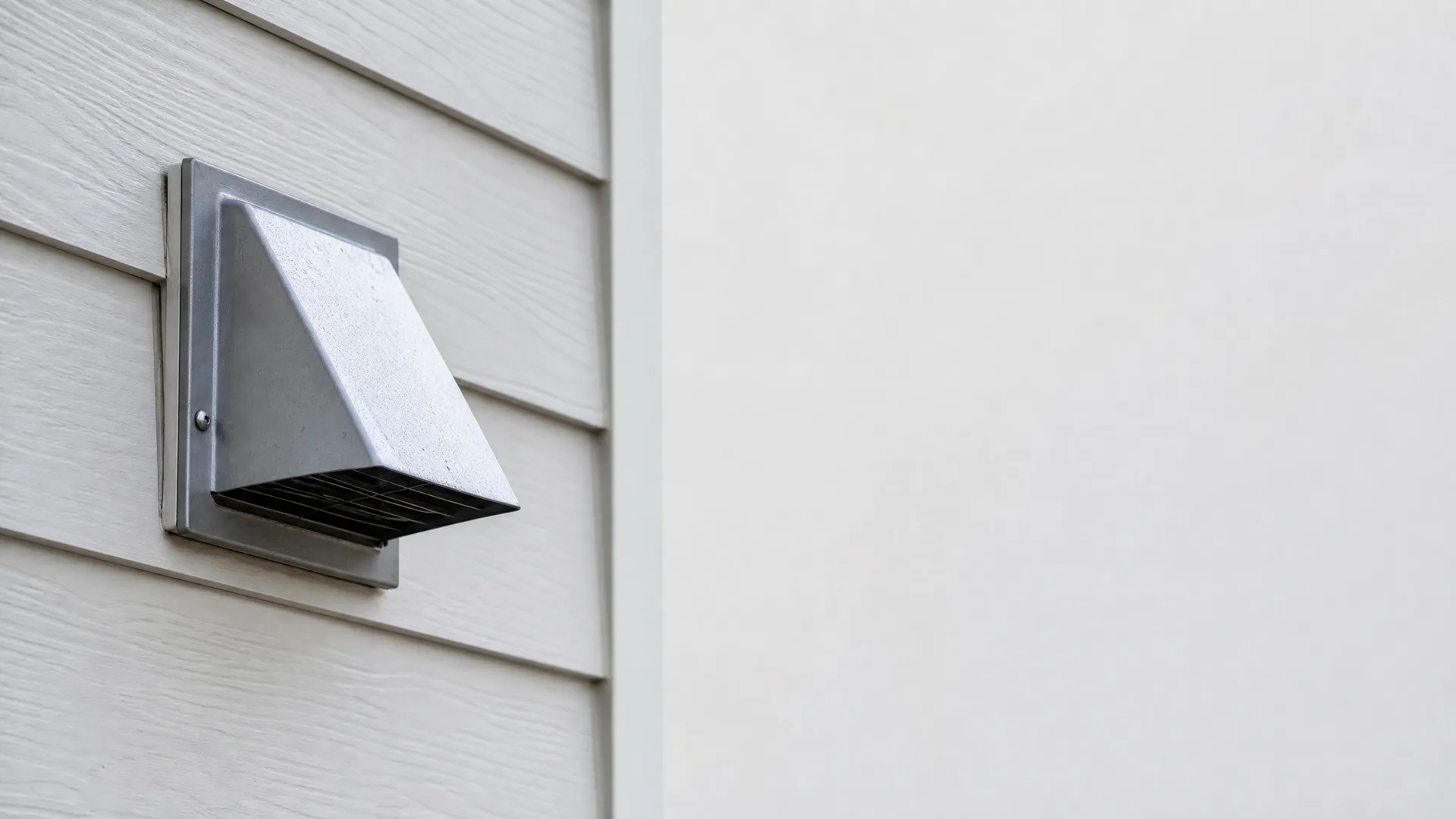
A metal hooded exterior vent cover with louvered underside mounted on light gray horizontal lap siding, next to a plain pale wall at an outside corner.

Why the flap stops working

The hood flap on the outside wall is hinged to swing open only when dryer air is pushing against it. A bird doesn't need much of a gap to get in, and once nesting material sits in the opening, the flap can't close flush anymore. That gap stays open year round after that, not just during the months birds are building, and it gives mice and insects the same way in that the bird found.

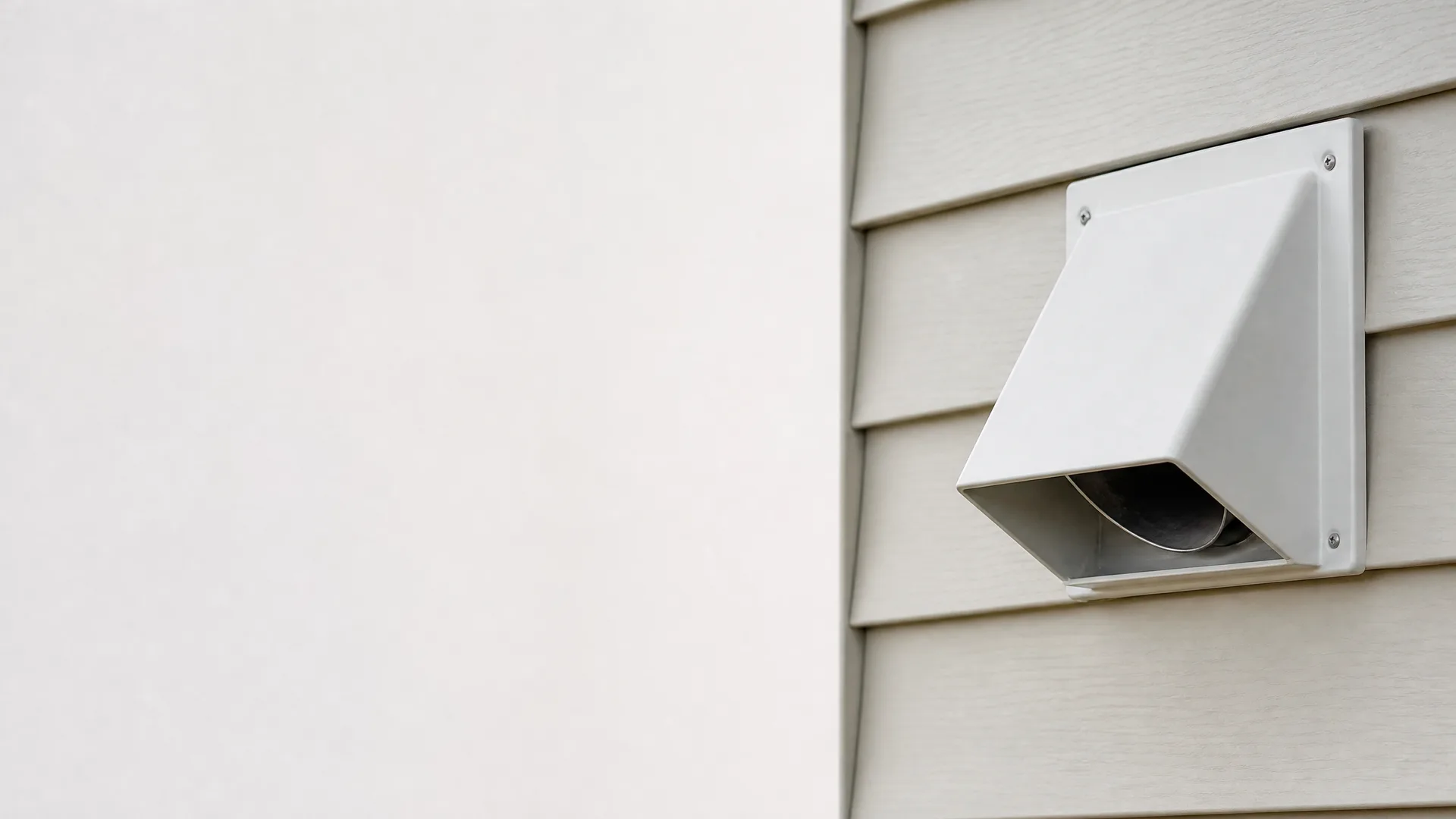
A white hooded dryer vent cover screwed to beige horizontal lap siding on an exterior wall corner, with a blank wall surface at left.

What a blocked vent does to the dryer

A dryer is built to vent hot, damp air out through that duct in a couple of minutes per load. With a nest packed into the line, the air has nowhere to go, so the dryer runs longer to dry the same load and the lint trap stops catching what it normally would. Lint that would have blown outside collects in the duct instead, right alongside the nesting material, and both are the kind of thing that catches fire.

Clear It Yourself or Call for Help

Clear the nest yourself

  • You can see right away whether the vent still pushes air and whether the hood flap closes flush when the dryer stops.
  • A screwdriver gets the hood off most setups, but reaching material packed several feet into the duct usually needs a rod or brush longer than what's on hand.
  • Nesting material mixed with lint is a known fire risk, and pulling it out without the right tools can push some of it deeper into the duct instead of out.
  • If the nest is active, disturbing it yourself means dealing with a bird flying at your head in a tight space.
  • There's no guarantee you've gotten all of it out from the bends near the wall or the full run to the roof or sidewall.

Have it cleaned out

  • A contractor brings a rod and brush system built to reach the full length of your vent, not just what's visible from the hood.
  • They can check whether the hood flap still seats correctly once the material is cleared, which matters more than just pulling out what's in reach.
  • This skips calling around to find someone who'll deal with a bird nest specifically, explaining the problem more than once, and comparing quotes yourself.
  • A contractor can also tell you if the nest means the vent needs a guard or screen so the same bird, or another, doesn't come back.
  • Getting matched with someone means the next call is them reaching out to you, not you working through a list of names.
An older man with gray hair and a beard stands in a doorway of a home, wearing a dark coat dusted with snow, with a lit fireplace and lamp visible in the blurred room behind him.
A bearded older man in a dark snow-dusted coat and scarf stands just inside a home's front door, with a lamp-lit room and snowy window visible behind him.
An older man with gray hair and a beard wearing a dark snow-dusted coat stands in a home entryway, with a lamp-lit living room and a wooden staircase behind him.
An older man with gray hair, a dark coat and scarf dusted with snow stands in a warmly lit entryway with an open wooden door, a table lamp, framed pictures, and a plant in a vase.

A pro who works on dryer vents

Fill out one short form instead of calling around.

No fee to send it, and nothing to sign.

What a blocked vent does to your dryer

Once a nest is packed into the line, your dryer has nowhere to send the hot, damp air it produces. Loads that used to take one cycle start taking two or three, because the moisture has nowhere to go and keeps circulating back through the drum. Run your hand along the vent hose at the back of the dryer during a cycle. If it's hot to the touch or the laundry room feels more humid than usual, that's the backup showing itself. The dryer itself is working just as hard as always. It's the exhaust path that's failing, and the motor and heating element take the strain for it.

The part of this that's a fire risk

Lint is what actually burns, and a blocked vent gives it more places to collect and more time sitting next to a heat source. Nesting material packed into the duct traps lint against the sides of the pipe instead of letting it ride the airflow out through the hood. That buildup sits a few feet from the dryer's heating element every time you run a load. This isn't about how old your dryer is or how often you clean the lint trap. A clear vent is what moves lint out of the house instead of letting it collect where it shouldn't.

2.86 people per household on average

A household of close to three people here means a dryer running near daily, not once a week. That's a lot of warm air moving through the vent all year, and a lot of chances for a bird to find it before you notice the flap isn't closing right.

ACS 2020-2024

Checking it yourself first

You can pull the dryer out, get the hood off, and see with your own eyes whether there's a nest sitting in the first foot or two of duct. If it's right there at the opening, you may be able to clear it with a gloved hand or a shop vac and get the flap swinging free again. What you can't easily tell is whether material has packed further back, or whether droppings and feathers are sitting in a stretch of pipe you can't reach from either end. A quick look tells you something. It doesn't tell you everything.
Having someone clear the whole line

A contractor who clears dryer vents for a living brings a rod and brush system built to reach the full run of duct, not just the first few feet behind the hood. That matters more in a vent with any bends in it, where a nest can sit well past where your arm or a shop vac hose will go. They can also tell you whether the hood flap itself is bent or stuck from the nesting material and needs replacing, not just clearing. It costs you a call instead of an afternoon, and it means not guessing whether the line is actually clear.

How does your home affect the risk of a vent nest going unnoticed?

  • 2.86 people per household on average

    Close to three people under one roof means laundry most days, so a flap that won't close flush gets caught fast if you check it.

  • Half the homes here were built by 1986

    Half the homes in the county were built in 1986 or earlier, and an older vent run gives a bird more joints and seams to work into.

  • Power here costs 13.92 cents per kilowatt-hour

    At 13.92 cents a kilowatt-hour, power here runs about average, so a dryer working harder against a blocked vent won't spike your bill the way it might elsewhere.

ACS 2020-2024 · EIA-861 2025

What a blocked vent comes down to

  • A nest in the duct stops the hood flap from closing flush, and that keeps the vent from doing its one job.
  • Warm, damp air that can't get outside backs up into the line and turns a single dryer cycle into two or three.
  • Pulling the dryer out and checking the hood flap tells you in minutes whether a nest is sitting right at the opening.
  • Material packed several feet into the duct is past what a gloved hand or a shop vac from the outside can reach.
  • A contractor who clears dryer vents can get a camera and the right tools into the line without you tearing into ductwork yourself.
  • Matching with that contractor means you skip calling around, describing the same blocked vent twice, and sorting through quotes on your own.

A bird builds where it's dark, warm, and sheltered, and your dryer vent in Farmington gives it all three. Once that nest is packed into the line, the hood flap can't sit flush, and the vent stops doing the one thing it's there for: moving hot, damp air outside. You can check the first foot or two yourself. Pull the dryer out, get the hood off, and look. If the nest is right there at the opening, a gloved hand or a shop vac from the outside may clear it. If it's packed further back, that's past what you can reach from either end, and the air keeps backing up, turning one cycle into two or three every time you run a load.

That's the point where it stops being a weekend fix. A contractor who works on vents brings a camera to see how far back the material goes and tools built to pull it out without cutting into your ductwork. Getting to that point on your own means finding someone who does this work, calling a few of them, explaining the same blocked vent each time, and then weighing quotes that may not even be for the same job. Matching with a contractor skips all of that. You explain it once, to the person who's going to clear it, and you're not the one sorting through who's worth calling back.

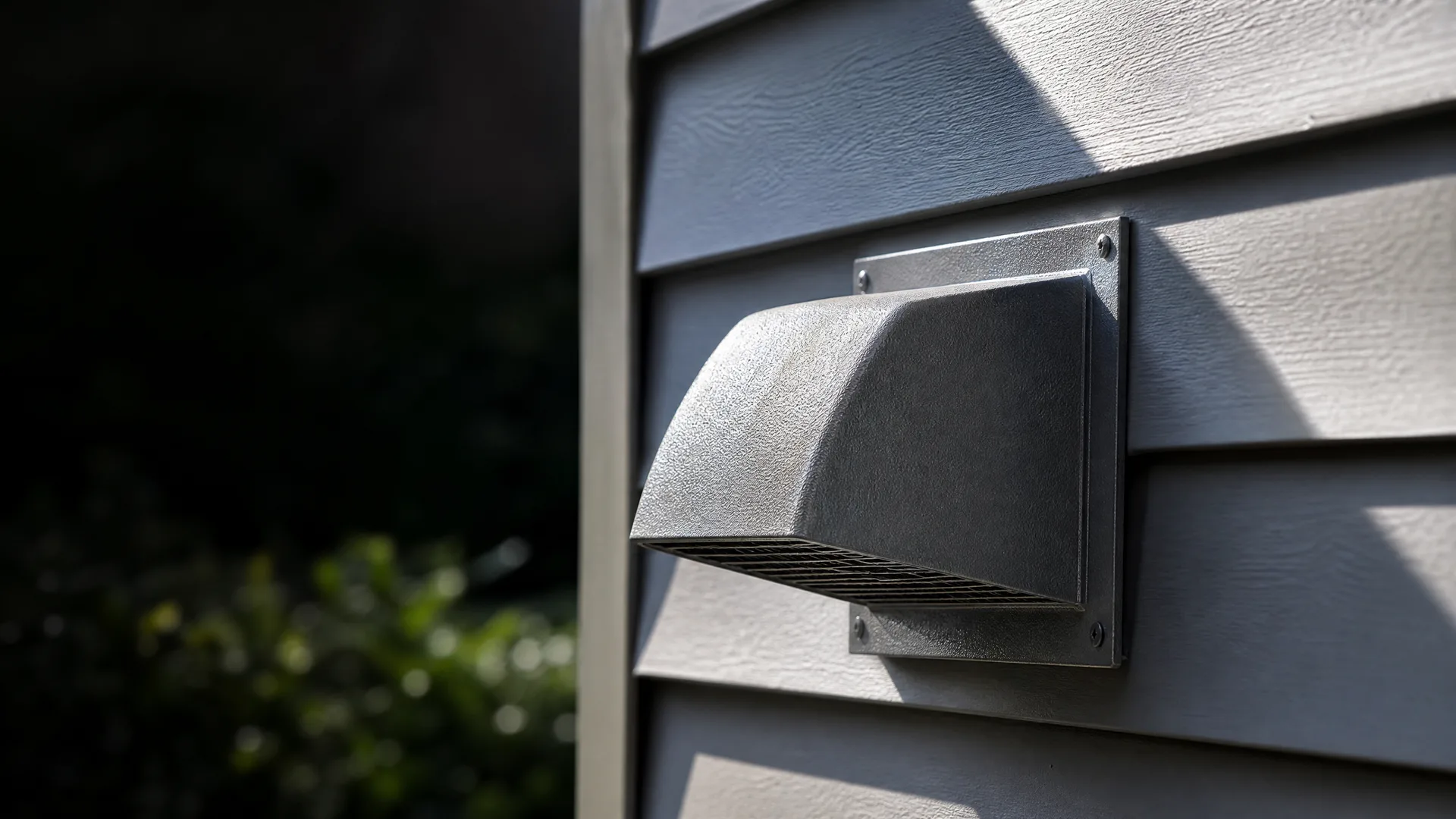
A metal hooded wall vent with a louvered opening mounted on gray horizontal lap siding, with green shrubbery blurred in the dark background.

Get your dryer vent to the right pro

Duct and vent cleaningSan Juan County, NM
Step 1 of 3

What kind of equipment?