Vents open in every room
Air moves the way the furnace was built to push it. The blower runs at the load it was sized for, and a maintenance visit can confirm the system is holding that balance.

Winters in New Mexico can be hard on a gas furnace, and closing off vents in rooms you don't use, like a guest room or a formal dining room, seems like an easy way to push more heat where you actually want it. It's a reasonable thing to try before calling anyone. But a forced air system doesn't work the way a lot of people assume, and closing vents can end up costing you instead of saving you something.
Your furnace's blower is built to move a certain amount of air through the whole duct system. Close off several vents and that air has nowhere to go, so pressure builds up inside the ducts. Some of it leaks out through duct joints and into the attic or crawlspace instead of your rooms, which wastes the heat rather than directing it. The bigger risk is to the furnace itself. Higher pressure can crack the heat exchanger over time or cause the blower motor to overheat. Shutting a vent or two partway in a room you rarely use won't hurt much, but closing several all over the house is where the trouble starts.






Shut the vents in the guest room and the dining room and your furnace doesn't know those rooms exist anymore. It still pushes the same amount of air, but now it's forcing that air through fewer openings, and the duct system starts working against the blower instead of with it. You might notice the furnace running longer to heat the rooms you do use, or a burning smell as dust bakes on a heat exchanger that's running hotter than it should. Over a winter of that, the blower motor and the igniter take the wear meant to be spread across the whole system. Some homes end up with a cracked heat exchanger years sooner than they would have otherwise, and that's not a repair, it's a furnace replacement. The rooms you closed off might even end up colder and damper than before, since a furnace fighting high static pressure doesn't move air as far down the branch lines. None of this shows up on your gas bill right away. It shows up later, as a service call you didn't expect.
Nights in the low 20s are normal here from December through February, so your furnace is already running long stretches just to hold a setpoint. Closing vents to fight that cold adds resistance right when the system can least afford it.
NOAA nClimDiv 1991-2020 county normals weighted by homes
A furnace is built to push air against a certain amount of resistance, no more. Close enough vents and you push that number higher than the blower was ever sized for.
The blower motor responds by working harder to move the same air through fewer paths, and that strain is what shortens its life, not the cold outside.


Air moves the way the furnace was built to push it. The blower runs at the load it was sized for, and a maintenance visit can confirm the system is holding that balance.
Static pressure rises and the blower strains against it. A tech who services furnaces around New Mexico every winter can check whether yours is handling that strain.


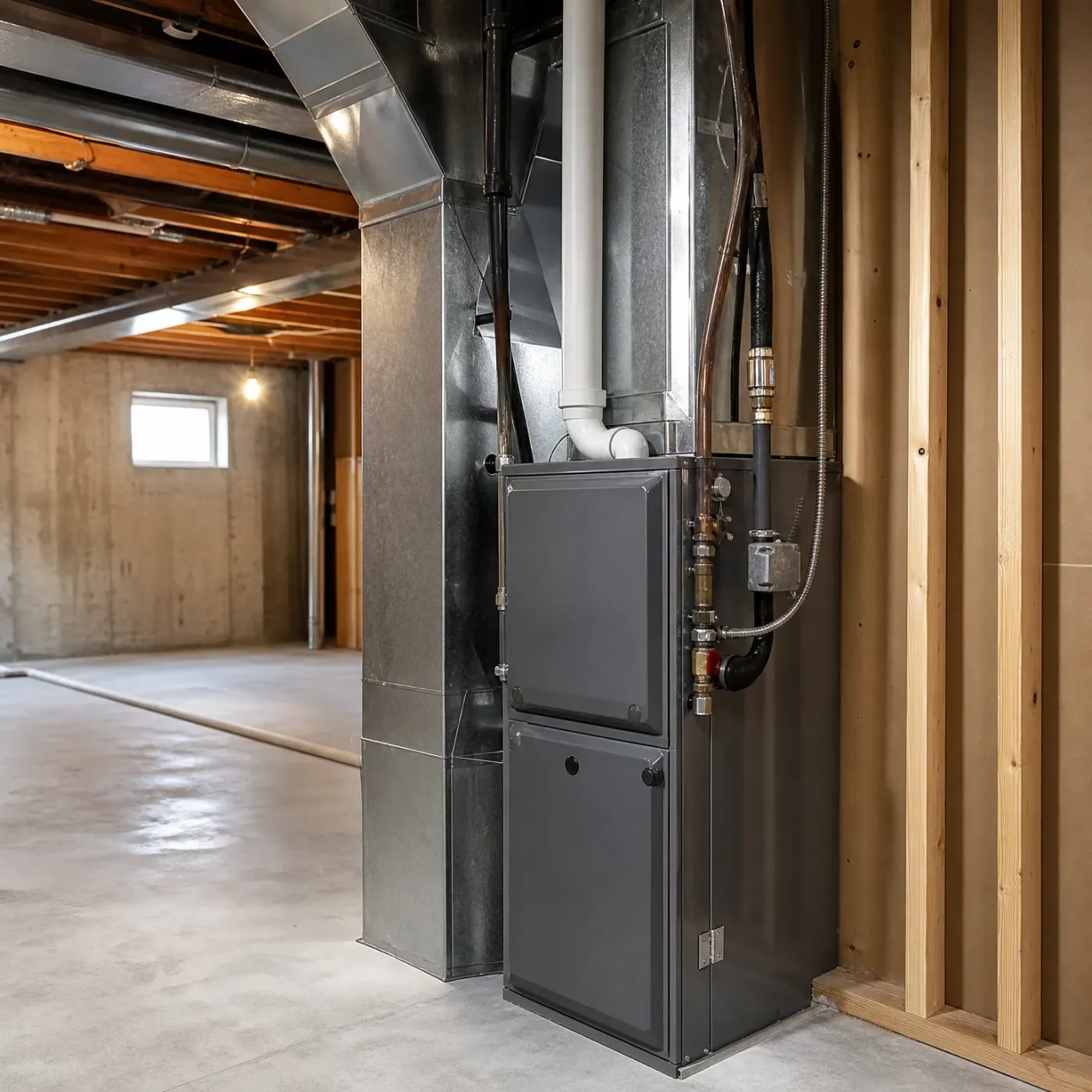
A licensed local pro takes the request for your furnace tune-up.
A local pro who knows furnaces gets your details and gets in touch.
You're not committing to anything by asking.

You're in the basement on an October afternoon, checking the furnace before the cold really sets in. You've pulled the filter halfway out and it's gray, thick with dust, more than you expected. You think back to the guest room vent you shut last winter to push more heat into the kitchen. Standing here now, filter in hand, you start to wonder if that's part of why the furnace has been running longer than it used to, and why this filter looks the way it does. You slide it back partway, deciding to leave it out and buy a new one before the nights in the 20s start showing up.

Closing vents doesn't save heat in a New Mexico home. It raises the pressure a furnace has to push against, and that costs more than it saves. Leave every vent open and let the thermostat do the work it's built to do.
If you want to know whether your furnace is handling those low-20s nights the way it should, a maintenance visit from a local contractor can tell you. Someone who services furnaces in this area all winter knows what tends to wear out first on systems that run as long as yours does this time of year, and a single contractor matched to your situation can check the blower, the static pressure, and the heat exchanger without a parade of other companies calling you about it.

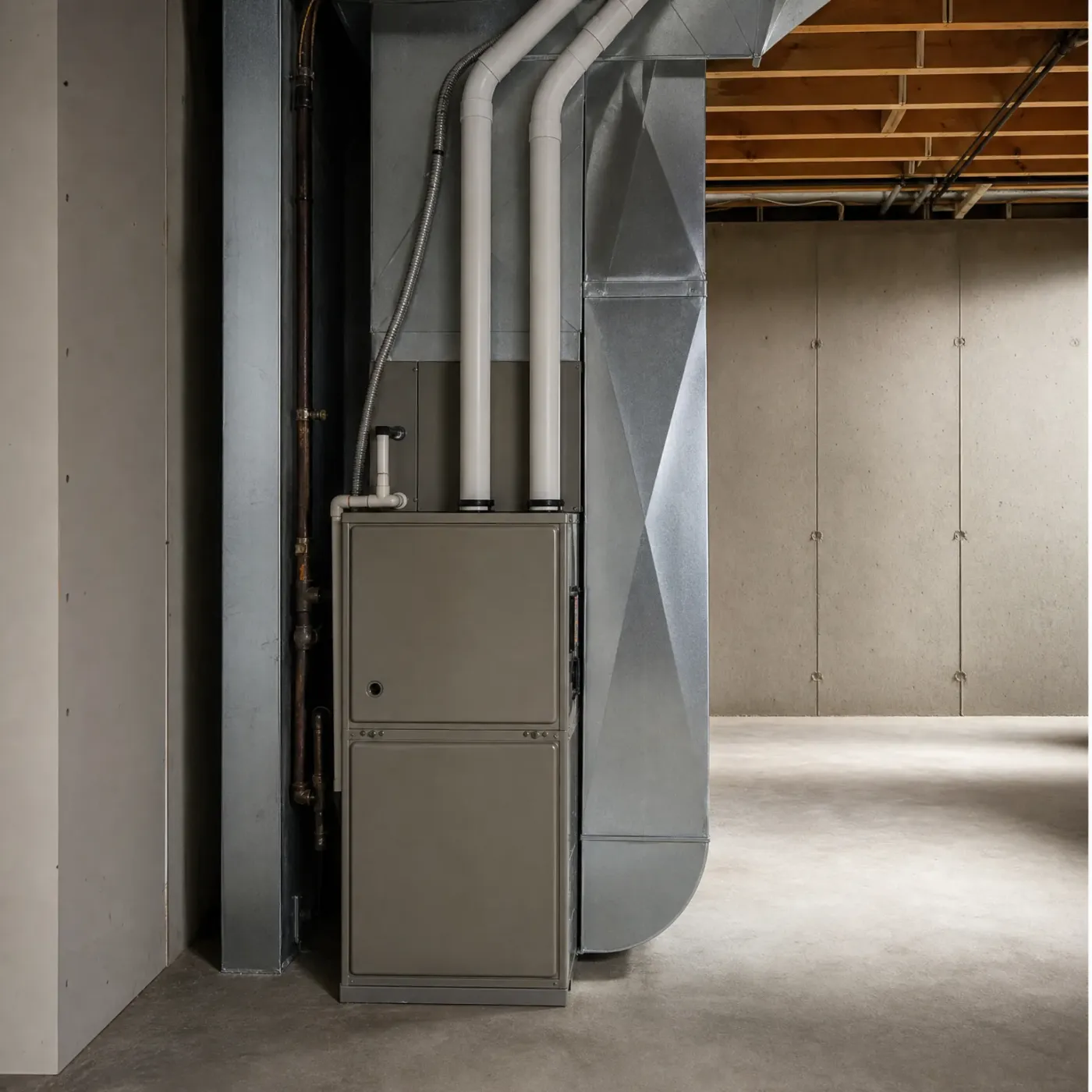
Your request goes to one pro, not a list of companies.
It costs nothing to send, and you don't have to hire anyone.