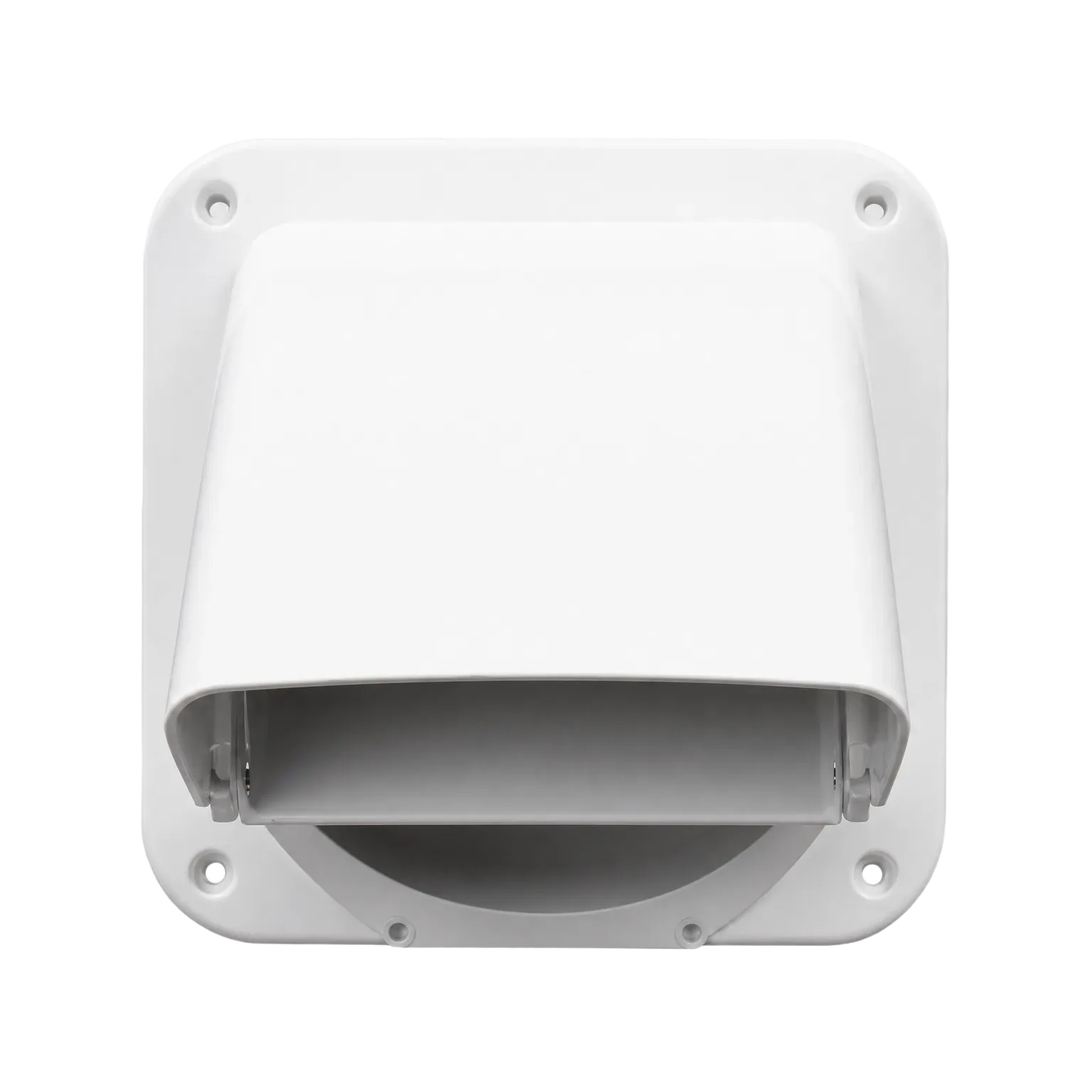

The vent clear
Air moves freely through the cap and outside, so the flap swings open on its own when the dryer runs and closes flat against the wall when it stops. No lint shows at the opening.
You keep running the dryer twice to get clothes dry, or the top of the machine feels hot to the touch partway through a cycle. Maybe you noticed the laundry room is warmer than usual, or there's a faint burning smell. In a house where the dryer runs most evenings, these things add up fast, and a vent that's choked with lint is usually the reason behind all of them.
When the vent is blocked, hot damp air has nowhere to go, so it backs up into the drum and the clothes stay damp no matter how long the cycle runs. That same trapped heat is why the dryer or the wall behind it feels hot, and why the lint trap fills up fast even after you clean it. A burning smell means lint is heating up near the drum, and that's not something to wait on. In Albuquerque, the dry air means more lint shakes loose in the dryer to begin with, so a vent here clogs faster than it would somewhere humid, and the signs tend to show up sooner.
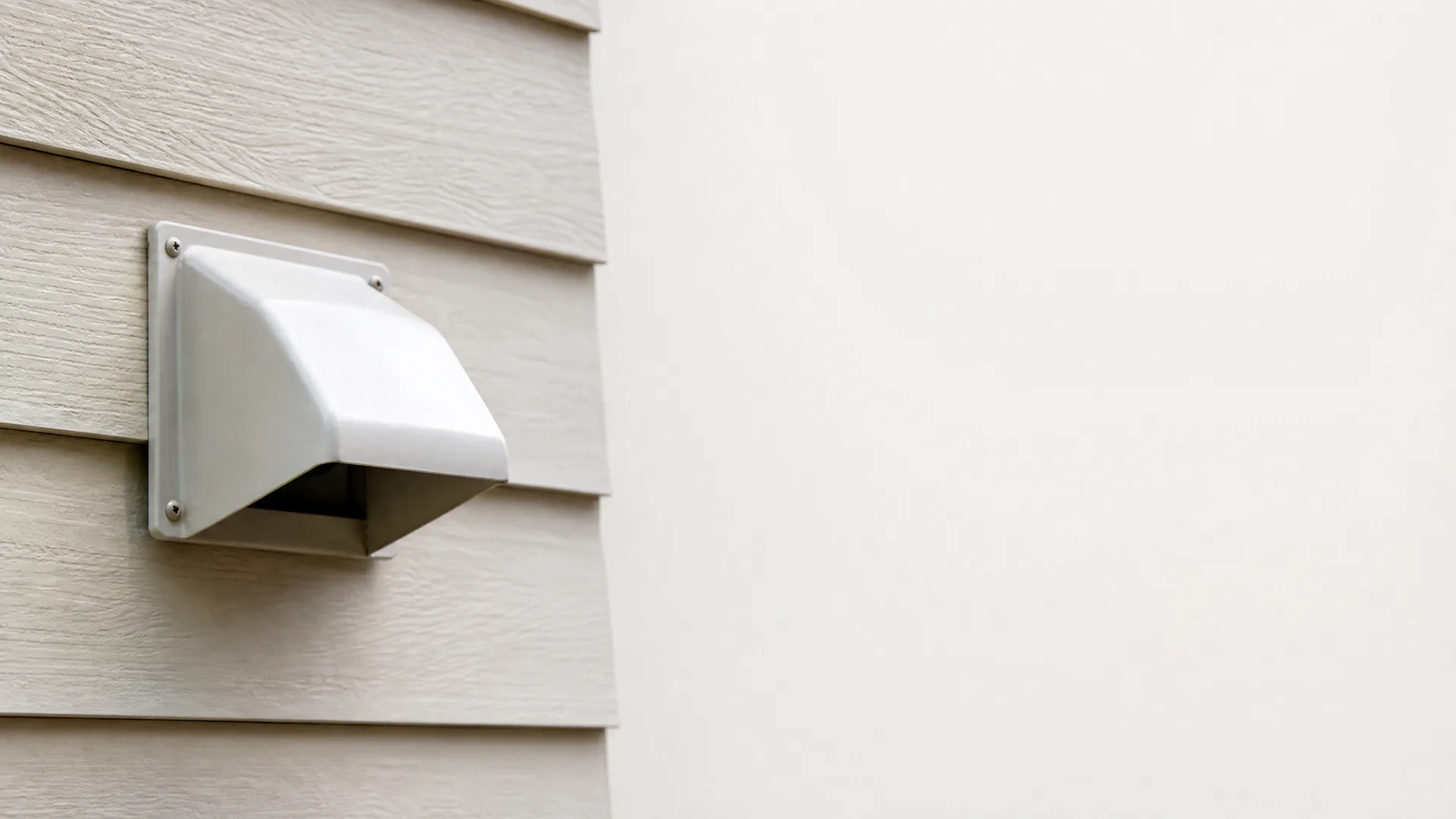
A dryer pushes hot, damp air through a few feet of duct and out through the vent hood on the wall. When lint packs that duct, the air has nowhere to go. It backs up into the drum and the cabinet, which is why the top feels hot and a cycle that should take forty minutes stretches past an hour. The motor and heating element keep working the same as always. The air just can't leave.
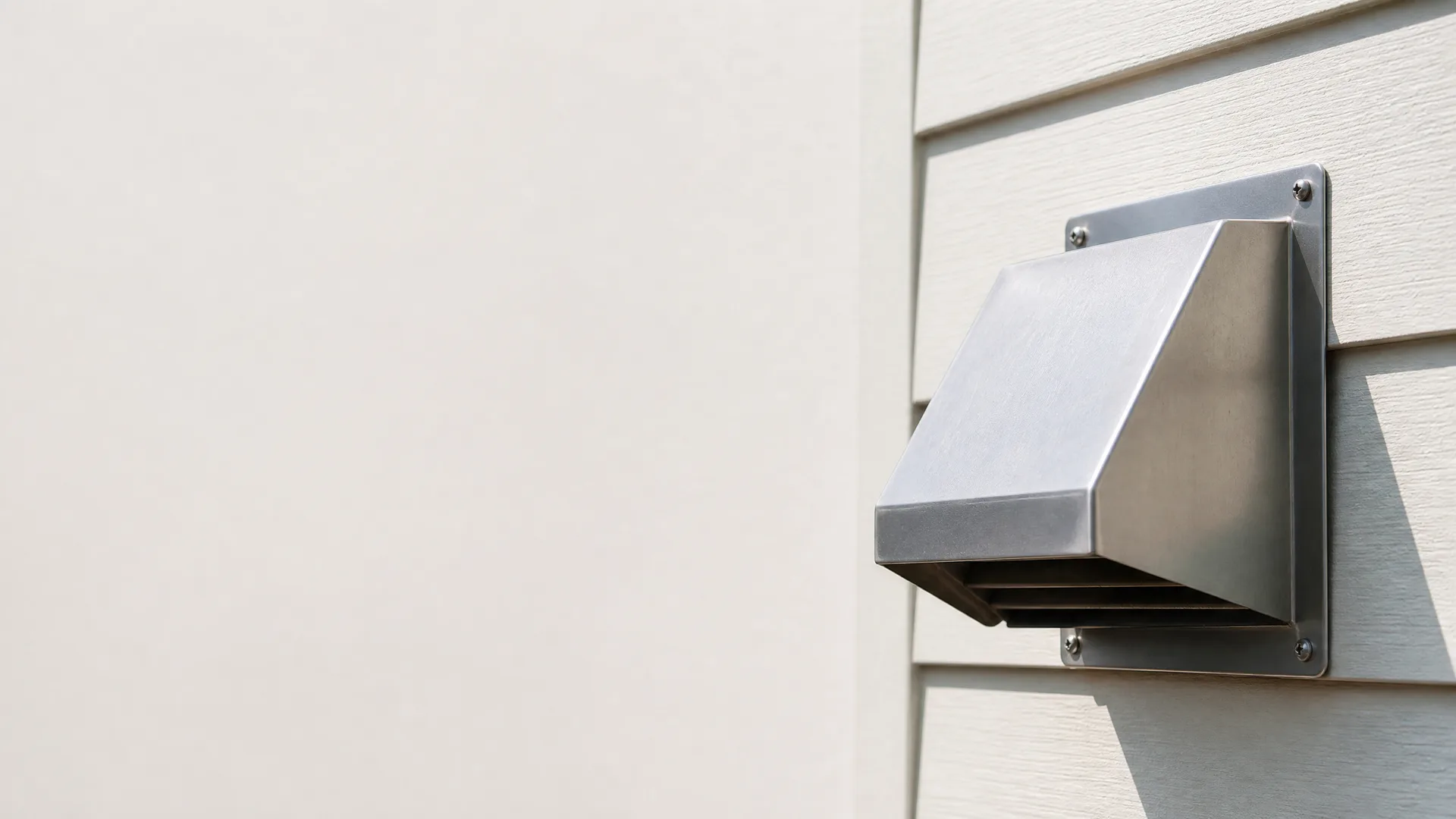
Step outside while the dryer runs and look at the vent hood. The flap should swing open and you should feel steady airflow against your hand. If it barely moves, or you see lint caught in the flap itself, air is getting stopped well before it reaches outside. In Albuquerque's dry air, that lint doesn't break down or wash away with rain, so it builds up in the duct the same way all year.
2.32 people per household on average
With 2.32 people in the average household here, laundry runs often enough that a clogged vent shows up as a pattern, not a one time fluke.
Half the homes here were built by 1982
Half the homes in Bernalillo County went up in 1982 or earlier, so the duct run behind your dryer may be older metal, narrower, or bent in ways newer runs aren't.
Power here costs 16.39 cents per kilowatt-hour
At 16.39 cents per kilowatt-hour, a dryer working against a clogged vent runs longer and pulls more power each time you notice a load coming out damp.
ACS 2020-2024 · EIA-861 2025
In your house, a clogged vent shows up in small ways before it becomes a real problem. Towels that used to dry in forty minutes now take an hour or more, so the dryer runs longer and your power bill climbs, and power here isn't cheap. The lint trap looks clean every time, but lint is still packed further down the duct where you can't reach it. Check the vent hood outside while the dryer runs. Weak airflow, or almost none, means the duct is restricted somewhere between the machine and the wall. That trapped heat is the real risk. It's what makes the cabinet hot to the touch and what puts lint, one of the most flammable things in your house, right next to a heat source for the length of every cycle. A dryer that shuts off mid cycle and needs a restart to finish is the machine protecting itself the only way it can, by overheating and tripping its limit switch.


Lint leaves the drum and enters the duct behind the dryer.
Airflow carries it through the duct toward the outside wall.
A narrow spot or long run lets lint settle and stick.
Buildup narrows the duct and slows the air moving through.



Air moves freely through the cap and outside, so the flap swings open on its own when the dryer runs and closes flat against the wall when it stops. No lint shows at the opening.

Lint has built up enough to hold the flap open even with the dryer off. That buildup is what slows the air inside the duct and sends heat back into the dryer instead of outside.
At 2.32 people, your household is still doing laundry most days of the week, not just on weekends. That steady pace is what packs lint into the duct gradually, so the signs above creep in rather than hit all at once.
ACS 2020-2024




A clogged vent doesn't clear itself, and running the dryer hot and long only packs the lint in tighter. At some point you have to get a hand and a brush down that duct, or get someone out to the vent hood on the wall, and that's not a job most people have the tools for. Someone who works on vents like yours all year in Bernalillo County knows where lint tends to settle in a run like the one behind your dryer, and what shape that duct usually takes in homes built around here. Send the request through and it goes to one local contractor, not a handful competing for your callback. That's one less thing pulling at you while the dryer keeps running hot and your laundry keeps coming out damp.
Longer dry times, a hot top panel, a warm laundry room and a burning smell rarely show up alone. When two or three turn up together, the duct is restricting airflow, not just carrying a little extra lint. The outside flap is the fastest way to check. Watch it through one cycle. It should swing open while the dryer runs and drop flat against the wall the moment it stops. A flap that barely moves, or won't close all the way, means lint has already narrowed the opening enough to hold it back.
None of this needs the dryer to act up first. Lint settles wherever the duct bends sharply or runs long, and it narrows the path gradually, so airflow drops before the machine gives any obvious sign of trouble. By the time you notice the heat or the smell, the buildup has been there a while.
Getting it cleared is a job for someone who does it often, not once a year. A contractor working Bernalillo County vents all season knows which duct runs clog first and which vent hoods hold lint longest, because the layouts repeat from house to house. You call one licensed local contractor, not several, so one person looks at your duct and clears it, instead of fielding a round of quotes. Once it's done, dry times go back to normal and the dryer stops working overtime to finish a load, which is what was pushing your power bill up in the first place.

Let someone else find the pro



