








Dryer taking too long to dry in Albuquerque, NM

Get matched with a pro who works on dryer vents in Bernalillo County.

Request a pro

A dryer that runs two or three cycles to get clothes dry usually isn't drawing enough air. Lint builds up inside the vent and the duct that runs to the outside wall, and that narrows the path hot, wet air needs to escape through. The drum heats up, the air has nowhere to go fast enough, and the moisture stays in the clothes. Albuquerque's dry summer air actually hides this problem for a while, since low humidity still pulls some moisture out even with a weak vent. It tends to show up more in winter, when the air coming in is colder and the dryer has to work harder against it. If your vent hasn't been cleaned out, that's the likely cause. A dryer fighting a clogged vent also runs hotter than it should, which wears on the heating element and the belt over time. Getting the vent cleared is what brings the dry time back down.

Why does your dryer vent clog up faster than you'd think?

  • 2.32 people per household on average

    A household here runs 2.32 people on average, and that's that many more loads a week pushing lint toward the vent.

  • Half the homes here were built by 1982

    Half the homes in Bernalillo County went up by 1982 or earlier, so the ductwork behind your wall may be decades old.

  • Power here costs 16.39 cents per kilowatt-hour

    Power here runs 16.39 cents per kilowatt-hour, so a dryer working through a clogged vent costs more every time you run it.

ACS 2020-2024 · EIA-861 2025

Lint buildup versus a real blockage

Most of the time the cause is slow buildup. Every load leaves a little lint behind, even with the trap cleaned, and over months it coats the inside of the duct until less air can pass through. Drying times stretch out a little at a time, so a dryer that's now taking twice as long rarely got that way overnight. The fix is straightforward because the duct is just dirty, not broken. A full blockage is different. A bird or rodent nest at the outside vent hood, a section of duct crushed behind the dryer, or a long run with too many turns can stop airflow almost completely. That shows up suddenly, often with the dryer shutting off early or getting hot to the touch.

What a quick check tells you

Go outside while the dryer runs and hold your hand near the vent hood. You should feel a steady push of warm air. A weak trickle or none at all means the duct is restricted somewhere between the dryer and that outside opening. If the airflow feels strong but drying still takes forever, the problem may sit closer to the dryer itself, in the short section behind the machine or in the first few feet of duct where lint tends to pack in hardest. Either way, what you feel at the vent hood narrows down where the blockage lives before anyone has to pull the dryer out or open up the duct to look.

An older man with gray hair and a beard stands in a dimly lit entryway wearing a dark hooded coat dusted with snow, with a lit table lamp, framed picture, and front door with glass panels behind him.
An older man with gray hair and a beard, wearing a dark snow-dusted jacket and scarf, stands smiling in a dimly lit entry hall with a lamp, wooden front door and staircase behind him.
A gray-haired bearded man in a dark coat with snow flecks on the shoulders stands just inside a dimly lit home entryway, with a lamp, framed pictures, sofa and candle-style lights in the background.
An older man with gray hair and a beard, wearing a dark coat and scarf dusted with snow, stands in a warmly lit home entryway with an arched doorway, lamps, and a living room visible behind him.

How Airflow Actually Fails

  • The vent hood flap on the outside wall should swing open fully when the dryer runs and fall shut when it stops.
  • A crushed or kinked flexible duct behind the dryer cuts airflow as much as a lint-packed vent does.
  • Rigid metal duct moves air better than coiled plastic or foil duct, which trap lint at every ridge.
  • Every elbow or turn in the duct run slows the air down and gives lint a place to catch.
  • A dryer vent run longer than about 25 feet needs a straighter path or a larger duct to keep airflow strong.
  • The lint trap only catches what passes through the drum; the rest collects further down the duct where you can't see it.

A dryer only dries as fast as the air can move. That air starts at the drum, travels the length of the duct, and has to push the hood flap open on the outside wall before it ever gets out. Anything that slows it down anywhere along that path shows up as a longer cycle. The flap matters more than people think. If it's stuck shut with lint or the spring's gone weak, the dryer is pushing against a mostly closed door every time it runs. Behind the dryer, the short stretch of flexible duct gets crushed when the machine sits too close to the wall or gets shoved back after someone pulls it out to clean behind it. A crimped duct back there chokes the airflow right at the source, before lint even has a chance to build up further down. The material of the duct itself makes a difference too. Rigid metal duct gives air a smooth path. Coiled plastic or foil duct has ridges, and lint catches on every one of them, so the same amount of lint narrows a corrugated duct faster than it would a smooth one. Bends do the same thing. Air slows at every elbow, and lint settles out right where it slows down. A long duct run makes all of this worse, because there's more length for lint to collect in and more distance for the air to lose speed over.

A woman with dark shoulder-length hair sits wrapped in a gray fleece blanket on a sofa with an open book on her lap, beside a lit lamp and a dark window.
An older woman with short gray hair in a cream cable-knit turtleneck sweater smiles while looking to the side in a wooden kitchen, with a round loaf of bread on a board in the foreground and a lit candle by a dark window.
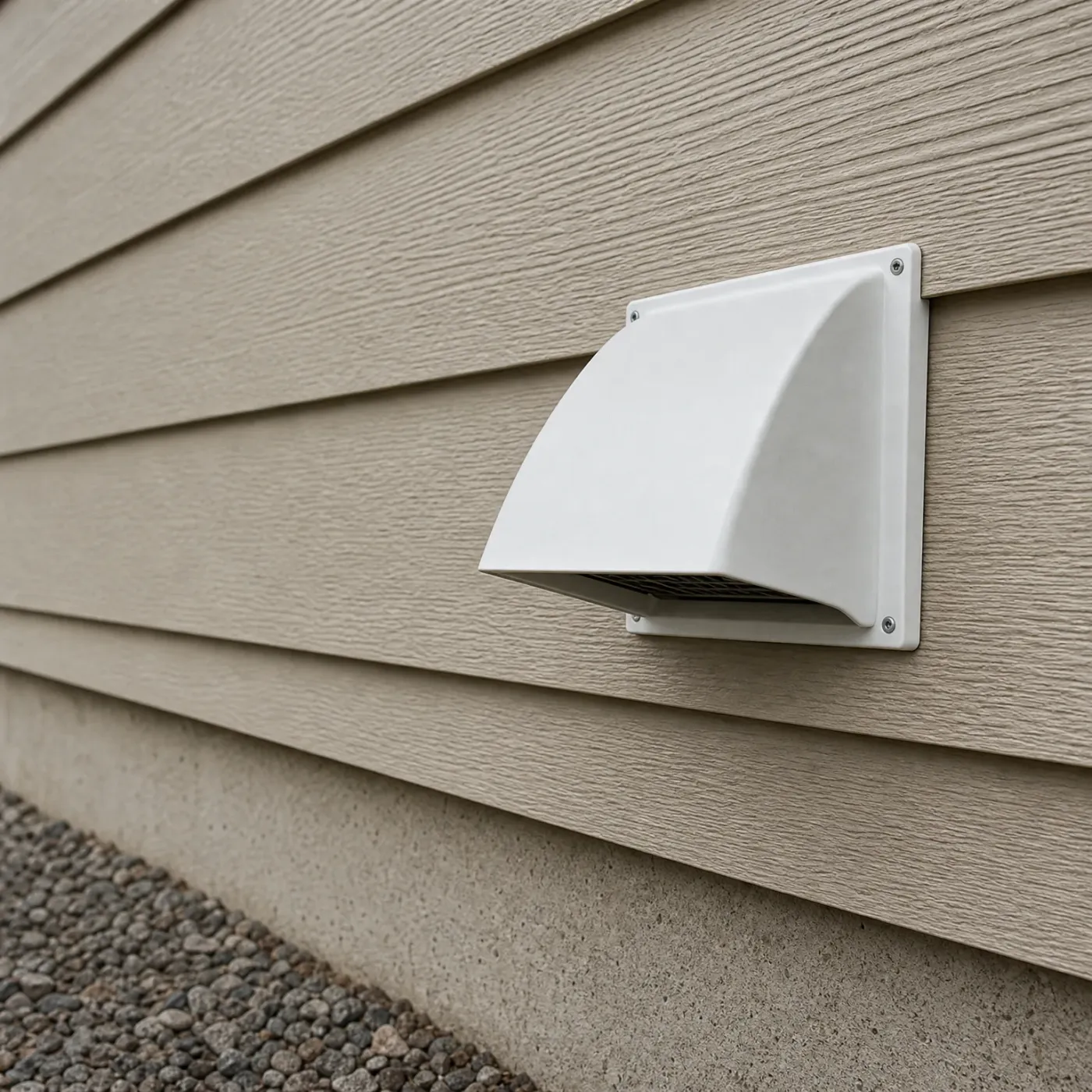
A white hooded exterior vent cover with a screened opening mounted on beige lap siding above a concrete foundation and gravel strip.

Get matched with a dryer vent pro in Bernalillo County

After this form, you can stop searching for a dryer vent pro.

Your request goes to a Bernalillo County pro who takes dryer vent jobs.

Get matched

It costs nothing to send, and you don't have to hire anyone.

Why does my dryer take two cycles to dry a normal load now?

Why does my dryer take two cycles to dry a normal load now?

Because the vent isn't moving enough air out anymore

A dryer dries by pushing hot air through wet clothes and out the vent, carrying the moisture with it. When the duct is clear, that air leaves fast and the moisture goes with it. When lint has narrowed the path, the same air moves slower, so it picks up moisture but can't carry it out fast enough. The drum senses the load is still damp and the cycle restarts. This isn't the dryer losing strength. The heating element and motor are doing the same work they always did. What's changed is how much air gets out through the vent and the hood flap on the outside wall, and that's a problem in the duct, not the machine.

A pile of beige, navy, and teal towels sits on top of a washer or dryer in a dim laundry room with a window and an upper cabinet.

It's almost nine on a Tuesday and you're still in the laundry room because the towels from this morning never made it into the closet. You've run them through twice now, and the pile sitting on top of the dryer is still damp enough that you can feel it through the terrycloth. The machine ticks as it cools, done with its second cycle, and the room smells like hot dust the way it has for a few weeks now. Outside it's been dry all day, the kind of evening Albuquerque gets most of the year, so it isn't the weather. You press start again and head back to whatever you were doing before the towels pulled you back in here.

What are you noticing about your dryer lately

You're pulling clothes out still warm but not dry, so you run the cycle again. The top of the dryer feels hot to the touch, and the laundry room holds onto heat long after the cycle ends. Towels come out stiff instead of soft. If you check the vent hood outside, the flap barely moves, or you feel only a weak puff of air where there should be a steady push. Lint shows up around the lint trap door or on the floor behind the dryer. Left alone, a dryer working this hard stays hot longer than it should, and that heat has nowhere to go but back into the room and into the machine itself.

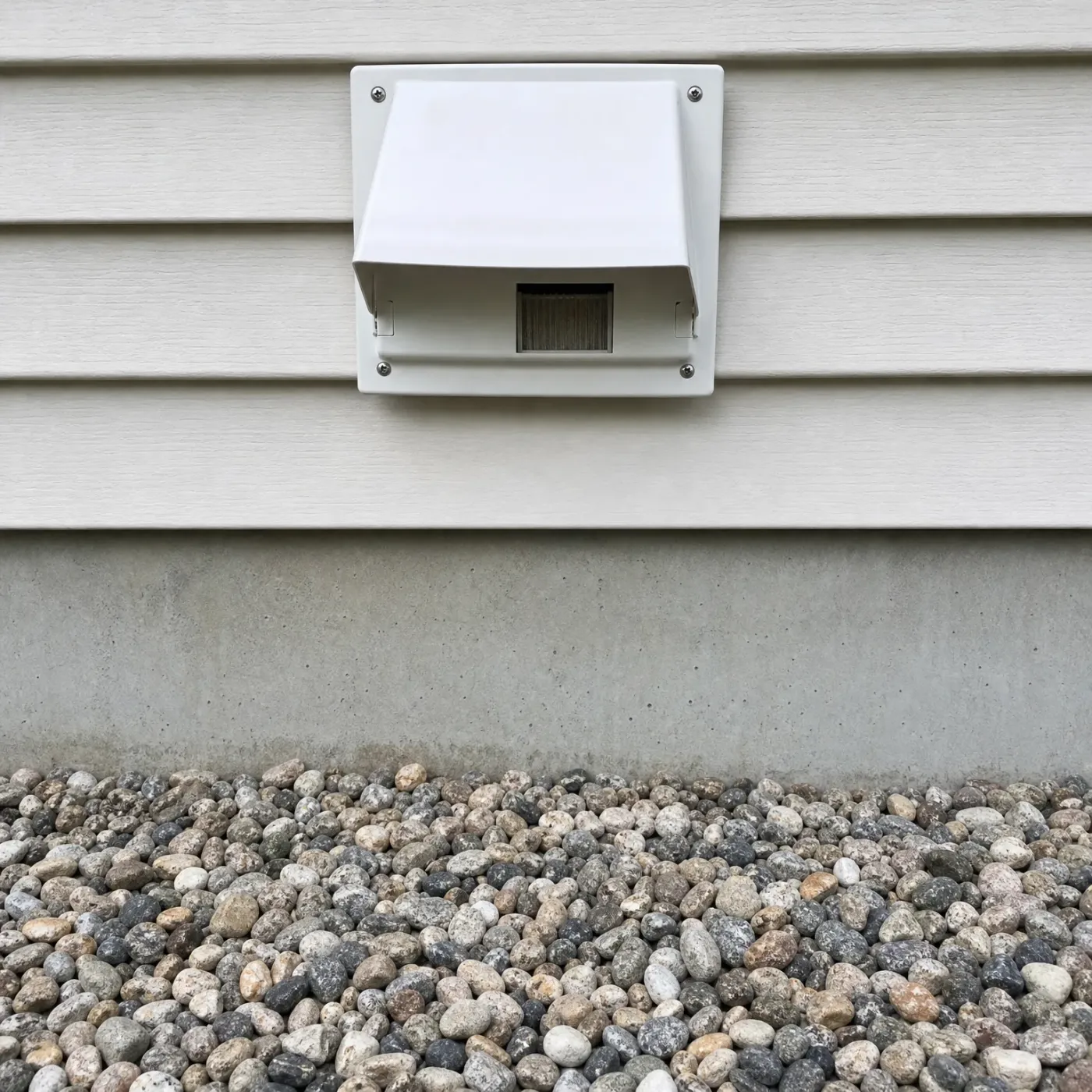
A white hooded dryer vent with a louvered opening mounted on light gray horizontal lap siding above a concrete foundation.
A vent cap like this swings open when the dryer runs and closes flat when it stops, so air moves freely.
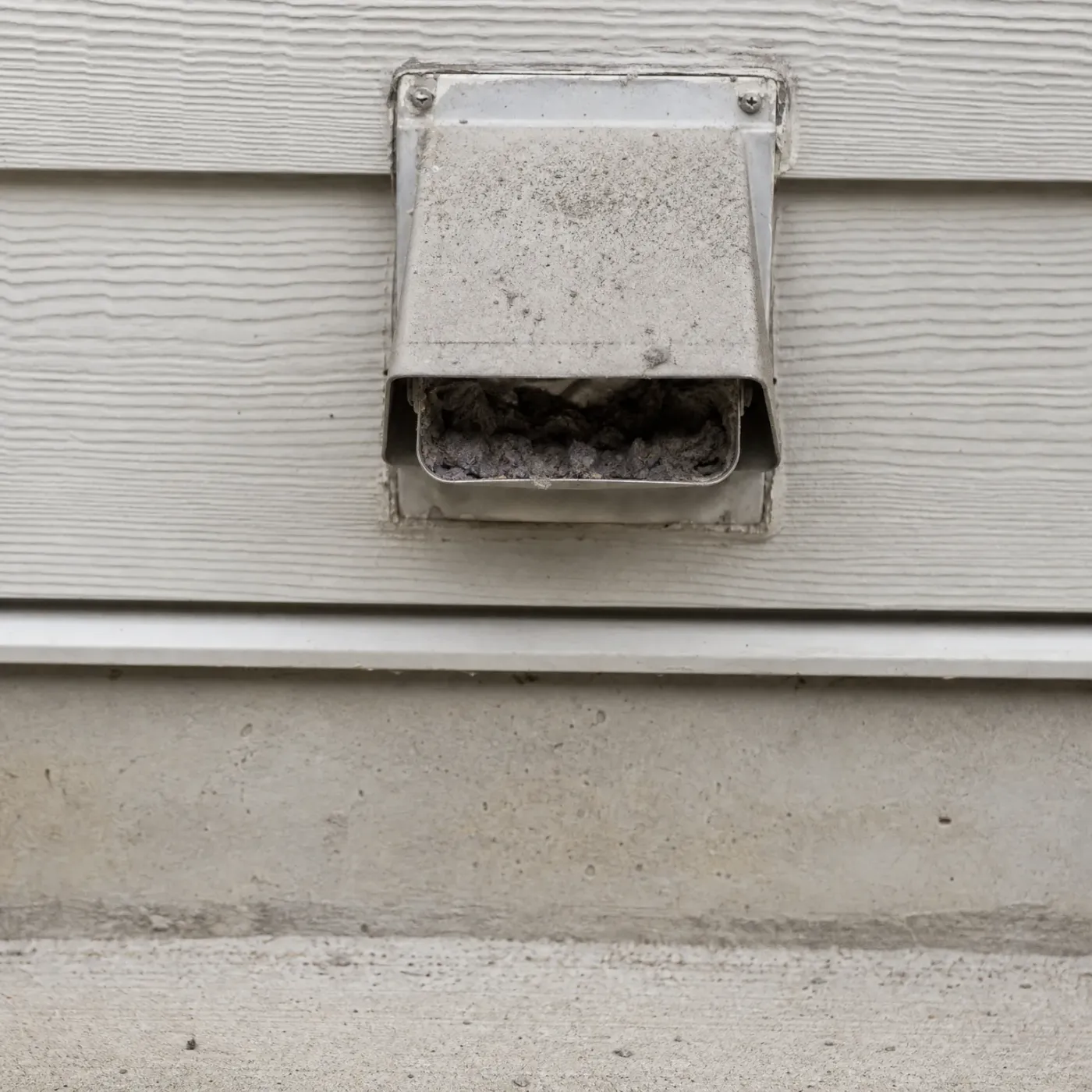
A white plastic hood-style dryer vent mounted on beige horizontal siding, with its opening clogged by thick gray lint.
When lint packs the hood like this, the flap can't open all the way and wet air backs up into the duct.

2.32 people per household on average

At 2.32 people, most houses here are running a load most days of the week, not once on the weekend. That steady pace is what feeds lint into the duct between cleanings and shows up as longer dry times months before anyone thinks to check the vent.

ACS 2020-2024

Cleaning the vent yourself

You can pull the dryer out, disconnect the duct, and vacuum out what you reach from both ends. That clears lint sitting near the drum and near the outside wall, and it's worth doing between cleanings. What it won't reach is lint packed into a long run, especially one with bends behind a wall or through the attic. If the duct is longer than a few feet or turns more than once, a shop vac hose stops short of the middle, and that's often where the real blockage sits.
Having the full line cleaned

A contractor runs a brush through the whole duct from the vent hood to the dryer, the full length, not just the ends. That clears the middle sections a vacuum can't reach, and it lets someone check the vent hood flap and the duct connections while they're in there. If your dryer still runs long after you've cleaned what you can reach yourself, the blockage is probably further down the line than your equipment goes.

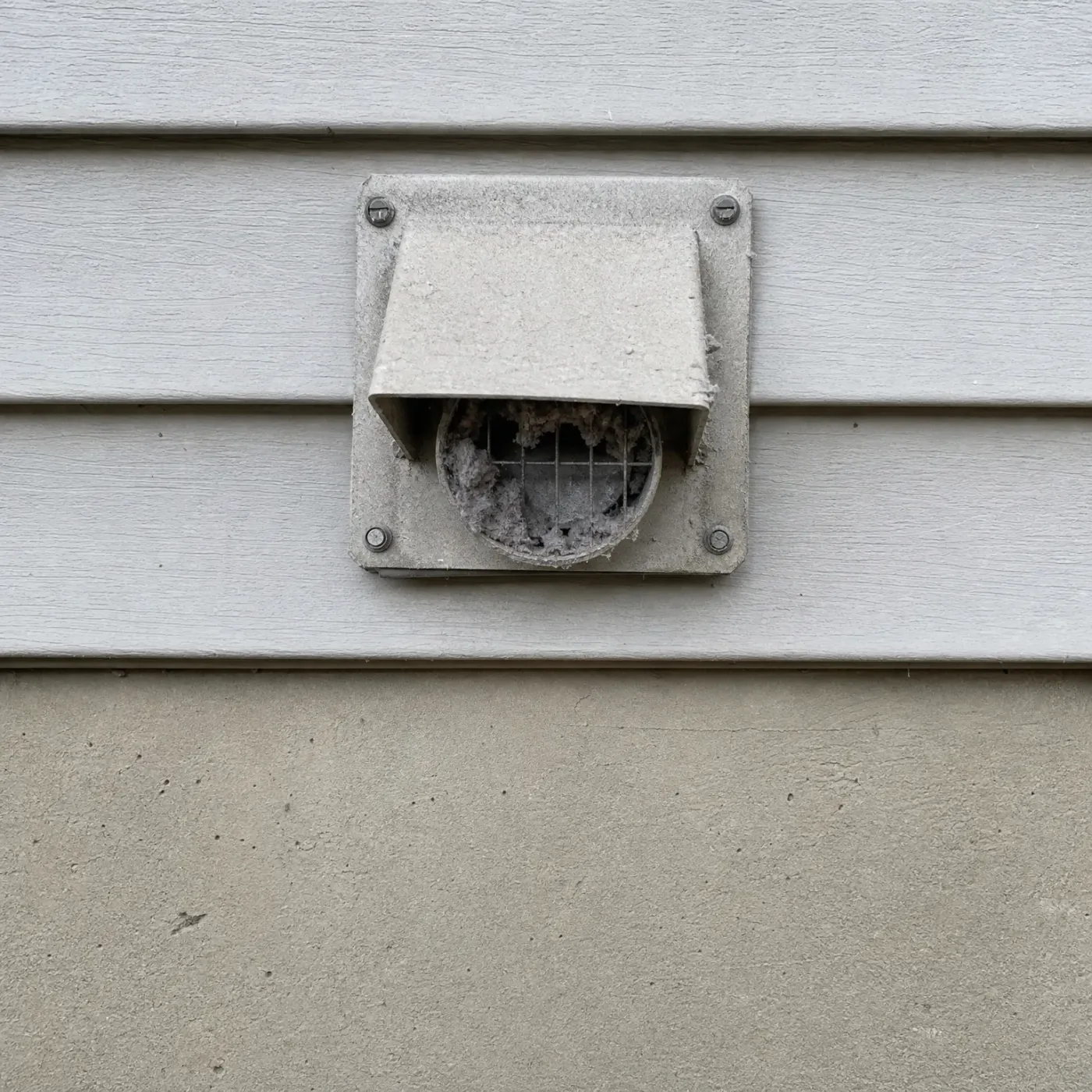
A metal dryer vent hood screwed to light gray lap siding, with lint clogging the round opening and a lower concrete wall below.
Before you get your dryer vent cleaning
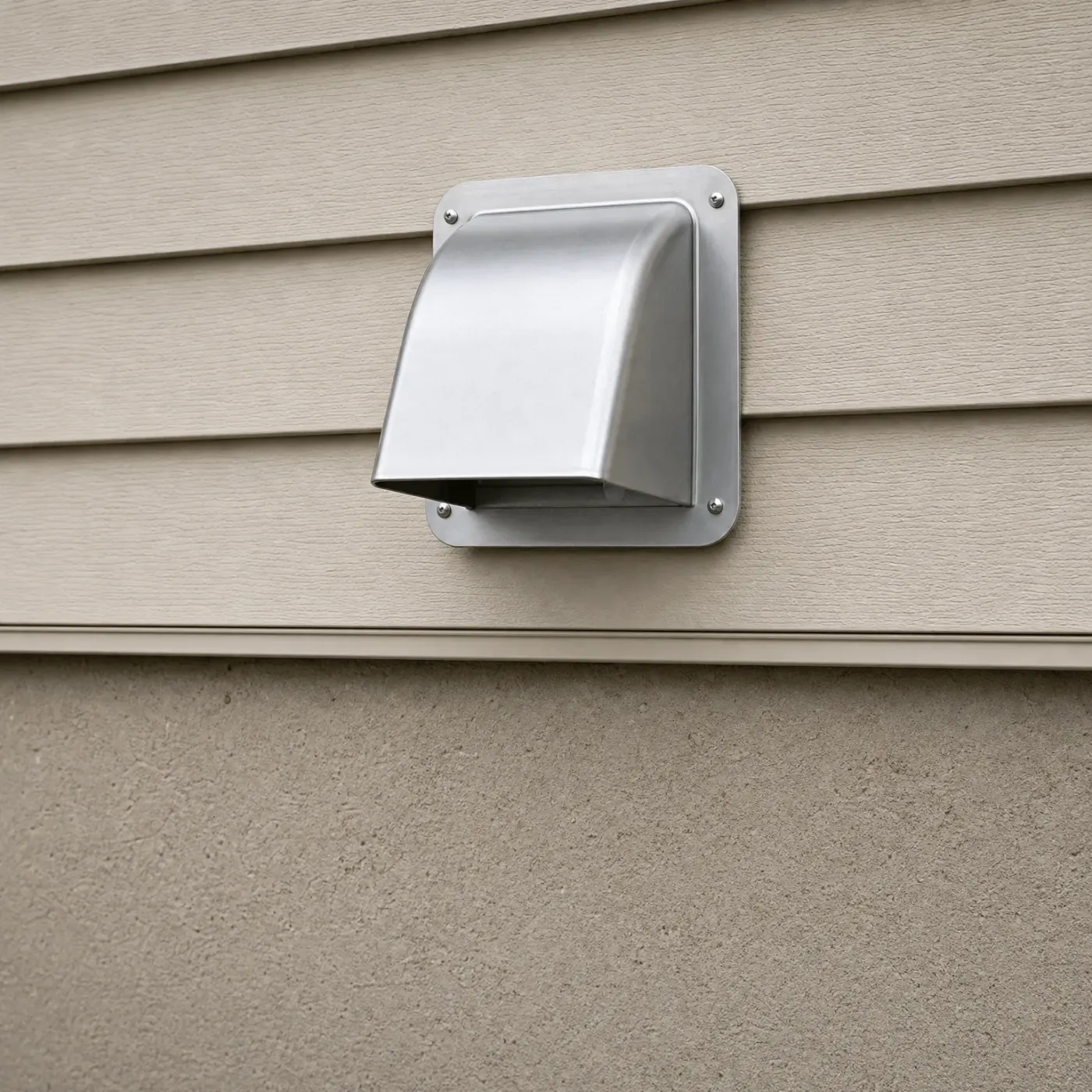
A metal hooded dryer vent cover mounted on beige horizontal lap siding above a textured concrete foundation wall.
After you get your dryer vent cleaning
A white hooded dryer vent cover screwed into beige lap siding above a concrete foundation wall, with a bed of rounded gravel at the base.

Vent clear and open

The flap swings open while the dryer runs and the hood stays clean around the edges. Air carries the lint straight out past the siding and the flap falls shut when the cycle ends. A load or two gets your clothes dry.

A metal dryer vent hood mounted on light gray horizontal lap siding, with its opening clogged by gray lint, above a concrete foundation wall.

Vent packed with lint

The flap can't close flat because lint has built up inside the hood. Wet air backs up into the duct instead of venting outside, so the dryer runs hotter and longer. This is what's behind clothes coming out damp after a full cycle.

A woman in a gray sweater and jeans stands in an open wood front door of a white stucco house while a man in a dark jacket walks toward her on the entry path.

A dryer that takes two cycles has a vent that needs clearing

Long dry times, a hot top panel, a laundry room that stays warm after the cycle ends. All of it points the same direction: the duct running from your dryer to the outside wall isn't letting enough air through. Clearing that path is a job for someone who can run a brush the full length of the duct and check that the vent hood flap opens all the way when the dryer runs.

You don't have to track down who does this work in Bernalillo County on your own. Send the form and you'll be matched with a contractor who handles dryer vent cleaning, and they'll reach out to you directly. One less thing on the list, and your dryer back to drying a load in one cycle instead of two or three.

A light-colored ceramic vase holding green leafy branches sits on a round wooden table, with a wooden-framed armchair draped in a cream throw, a tripod floor lamp, and sheer curtains blurred in the background.
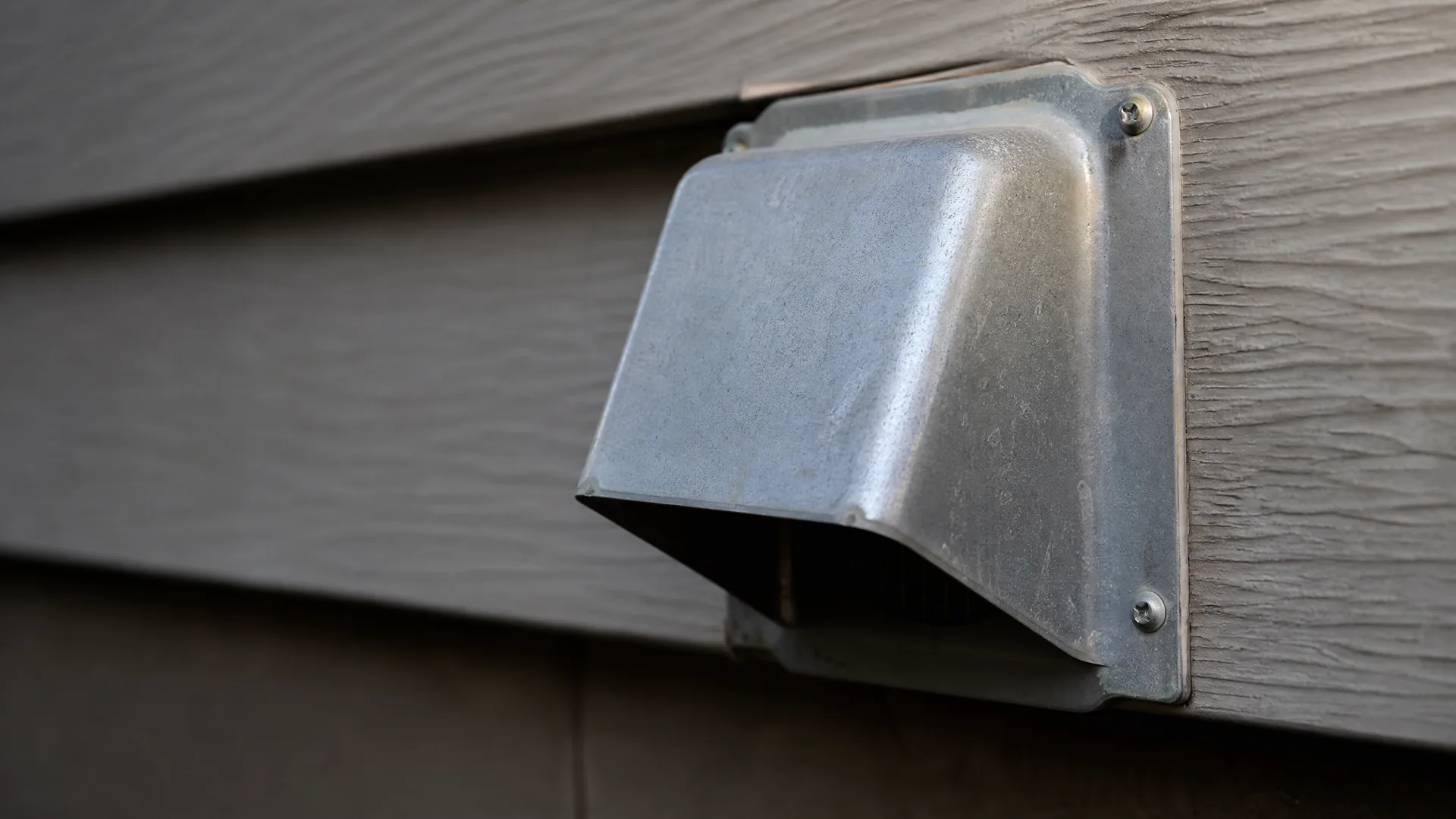
A galvanized metal hooded dryer vent screwed to gray lap siding on an exterior wall.

Find a dryer vent cleaning pro in Bernalillo County

Duct and vent cleaningBernalillo County, NM
Step 1 of 3

What kind of equipment?