



Why your laundry room gets so hot in New Mexico

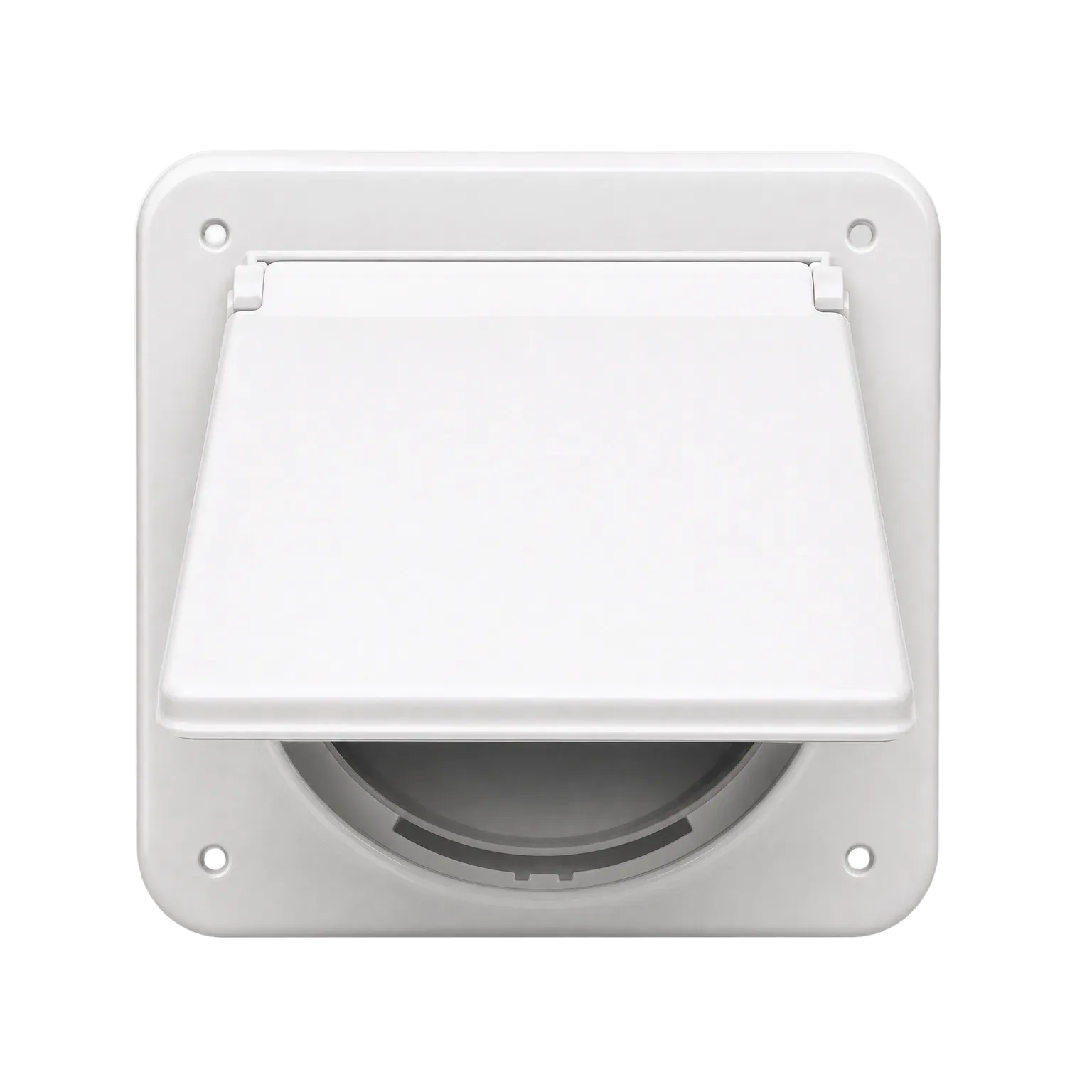
A white square plastic dryer vent hood with a hinged flap propped open, revealing a round duct opening, shown against a plain light gray background.
Send my request

A hot laundry room usually means the dryer isn't venting outside the way it should. Every load pushes hot, wet air down the vent line, and if that line is clogged with lint or crushed somewhere behind the wall, the heat has nowhere to go but back into the room. In New Mexico, summer already pushes the house warm on its own, so a dryer that's dumping its heat indoors instead of outside adds to a room that's working against you from the start. You'll notice it most on wash days that stack up, when the dryer runs load after load and the room never cools between them. A vent that's doing its job empties in a few minutes and the air clears. One that's blocked keeps the heat and the humidity trapped, and over time that makes the dryer run longer to get clothes dry, which only adds more heat to the room it's already struggling to clear.

A smiling bearded man in a dark green hooded jacket and blue t-shirt sits on a couch in a living room with shelves, a potted plant, and a bowl of popcorn on a wooden table.
A smiling man in a green long-sleeved shirt sits on a beige sofa in a living room, with a bowl of popcorn in the foreground, a large potted plant and shelving behind him.
A smiling man in a dark blue T-shirt sits on a couch in a dimly lit living room with a bowl of popcorn and a remote on a wooden table, a lit floor lamp and bookshelves behind him, and windows showing greenery.
A smiling bearded man in a dark green long-sleeved shirt sits on a leather couch in a living room, with a bowl of popcorn and a remote control on a wooden table in the foreground.

What a clear vent does instead

A dryer that vents freely sends hot air straight outside in the time it takes to dry a load. The room gets a little warm near the machine and that's it. Once the line is packed with lint or pinched behind the wall, that same hot air has to push harder to get out, and a lot of it works backward into the room instead. You can check this yourself: go outside while the dryer runs and feel the air coming out of the vent hood. It should be strong and hot. Weak airflow there means the heat is staying in your house.


Why summer makes it worse

A clogged vent causes the same backward airflow in January, but you feel it more from May through September when the house is already warm from the outside in. The laundry room has less room to absorb that extra heat before it feels uncomfortable. Dry air here also means lint builds up fast and packs tight instead of staying loose, so a vent line that was fine last year can narrow a lot in a season of regular loads. By the time the room feels noticeably hotter than the rest of the house, the line is usually more than halfway blocked.

A metal dryer vent hood mounted on beige horizontal lap siding, with gray lint clogging its open flap, above a lighter textured foundation wall.
Before you get your dryer vent cleaning
A white hooded exterior dryer vent with a mesh screen, screwed to light gray horizontal lap siding above a concrete foundation.
After you get your dryer vent cleaning
  1. Lint builds up along the inside of the vent line

  2. Airflow slows, so hot air backs up toward the dryer

  3. Heat and moisture spill out around the dryer instead of outside

  4. A tech clears the line from the hood back to the dryer

Power costs 14.85 cents per kilowatt-hour statewide

At 14.85 cents per kilowatt-hour, a dryer stuck running long cycles because the vent is clogged costs more every time you dry a load. A clear line gets the heat out in one cycle instead of two or three, which is what keeps both the room and the bill in check.

EIA-861 2025 statewide residential average

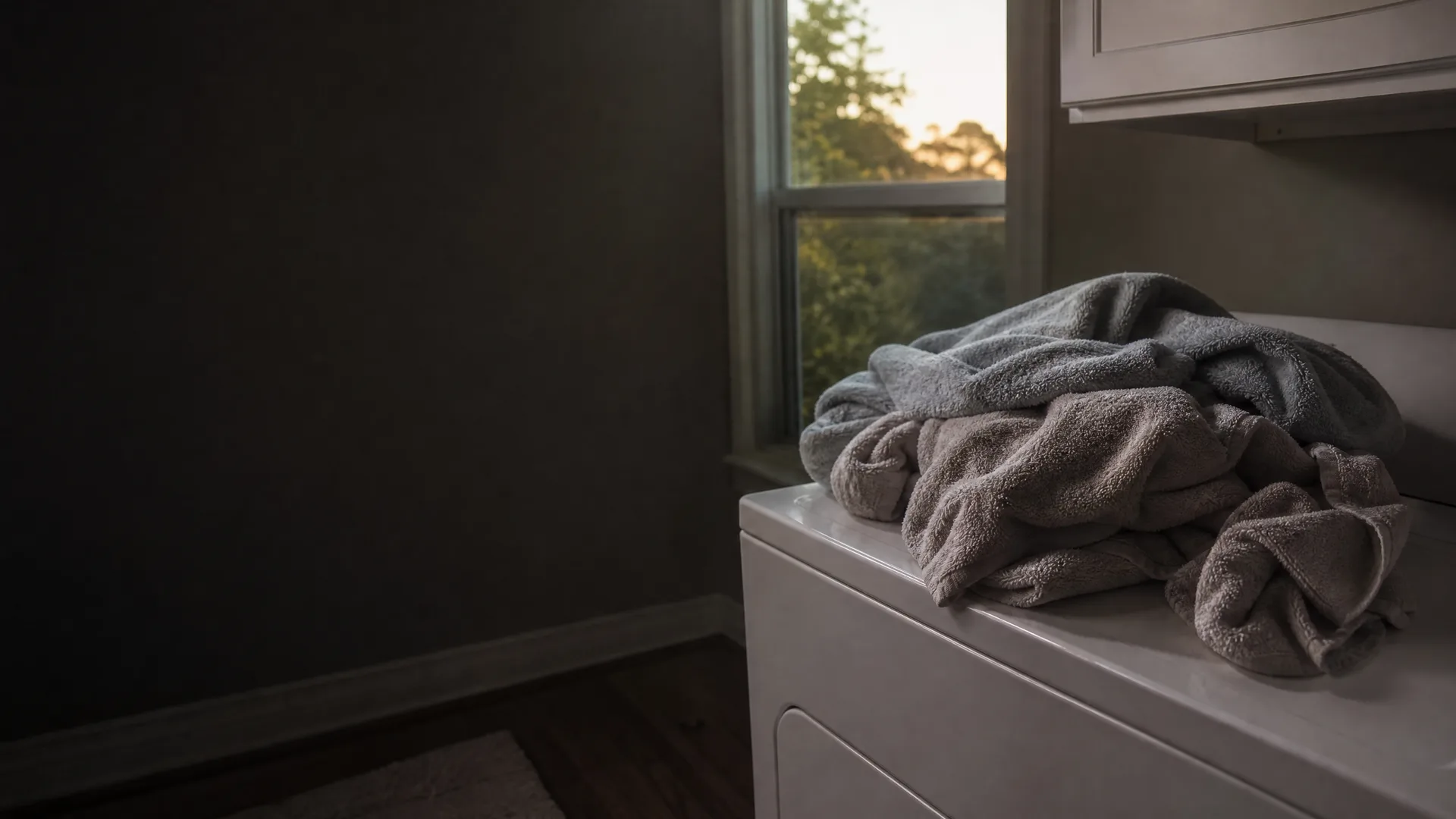
A pile of gray and taupe towels sits on top of a white laundry appliance in a dim room beside a window with trees and sunlight outside.

It's past eight and you're still in the laundry room. The swamp cooler hasn't caught up with the heat the dryer's been throwing for the last hour, and the air in there feels thicker than the rest of the house. You pull the load out expecting it to be done, but the towels on top are still damp, warm in that heavy way that means they went through the cycle twice and still didn't finish. You leave them piled on the dryer lid and crack the door to the hallway, because standing in there any longer isn't worth it tonight. Tomorrow you'll look up someone who works on vent lines around here, someone who'll know in five minutes what's packed in behind that wall.

Stop chasing a dryer vent pro

A clogged vent doesn't fix itself, and with a New Mexico summer already pushing the laundry room hot, a dryer backing heat into that same room makes it worse every load. The fix is a straight job for someone who runs vent lines all summer in this state and knows where lint sits in a typical run, behind the wall or at the hood, and clears it from the dryer out. Send the request and that search becomes someone else's job. One contractor gets it, licensed and working in your area, so you're not fielding calls from three companies trying to beat each other's quote while your laundry room sits hot. You go back to the rest of your evening. The next load you run, the room should feel like the rest of the house again, not like the dryer's been fighting the vent the whole time.

What's Making Your Laundry Room Hot

  • A hot laundry room in summer almost always traces back to a dryer vent that's not moving air the way it should.
  • Lint built up along the line slows the air until heat and moisture start spilling back into the room instead of outside.
  • A dryer fighting a clogged vent runs longer cycles, which means more heat thrown into a room already dealing with a New Mexico summer.
  • Clearing the line from the hood back to the dryer is what lets a load finish in one cycle instead of two or three.
  • A local tech who runs vent lines all season knows where lint usually packs in and what shape the line is behind the wall.
  • Once the vent is clear, the room goes back to getting a little warm near the machine and nothing more.

The heat in that room has a cause, and it isn't the swamp cooler losing the fight on its own. A dryer is built to push hot, wet air outside through the vent line, one load at a time. When lint packs that line, the air slows down, and the heat the dryer is generating has to go somewhere. It goes back into the room with you. That's why the dryer feels like it's working harder than it should, why the air near it feels thick, and why a load that should take forty minutes stretches into an hour or more. Every extra minute the dryer runs is more heat added to a room already carrying a New Mexico summer.

None of this needs a new dryer or a new cooler. It needs the vent line clear, from the hood outside the house back to the dryer itself, so air moves the way it was designed to from the start. A tech who works on these lines all summer in this state has seen where lint usually sits and what the run behind the wall usually looks like, which makes the job straightforward rather than a guessing game.

Once that line is open again, the room settles back to what it should be: a little warm right by the machine while it runs, and back to normal within a few minutes after.

A woman in a dark gray sweater reclines on a couch with her eyes closed and a knit blanket over her lap, an open book resting face-down in front of her, with a lit table lamp and shelving blurred in the background.
A bearded man in a dark navy sweater over a collared shirt smiles and looks off to the side while seated at a dinner table with a glass of red wine, a lit candle, and a plate of food in the foreground of a dimly lit room.

Dryer Vent Cleaning

Send one request and you're done looking

The pro who reaches out is licensed in New Mexico.

A black-framed smartphone standing upright against a plain white background, its screen filled with solid green.
Duct and vent cleaningNew Mexico
Step 1 of 3

What kind of equipment?