Mostly, no. New Mexico's dry climate doesn't grow mold or mildew in ductwork the way humid states do, so the main reason duct cleaning gets sold elsewhere doesn't apply here. What does build up is dust, since summers are hot and dry and homes stay closed up with the AC running, and that dust settles in the ducts over time. If nobody in the house has allergies or breathing trouble, and you aren't seeing dust blowing visibly out of the vents, cleaning is cosmetic, not necessary. It's worth doing if you've had recent duct or attic work done, if you're seeing a rodent or insect problem in the system, or if dust is noticeably heavier than it used to be. Otherwise, a clean or newly changed filter does most of the job a duct cleaning would. Check your filter first. If it's gray and clogged, that's where the dust is coming from, not from needing the ducts cleaned.






How do I know if my ducts actually need cleaning?
You don't want to pay for duct cleaning if your system doesn't need it, but you also don't want to ignore it if dust really is building up in there. Since you can't see inside the ducts yourself, you're looking for signs you can actually check before deciding whether to call anyone out.
Pull a vent cover and look, and check how fast dust comes back after you wipe a room down
Take a vent cover off, the kind in the floor or wall, and look in with a flashlight. If you see a gray coating built up on the inside walls of the duct, or dust falling out when the furnace kicks on, that's buildup worth dealing with. Another check: wipe down a room, then see how fast dust reappears on the furniture. If it's back within a day or two and the vents are blowing visible dust, the ducts are likely carrying it. A dry New Mexico summer with the house closed up tight is exactly when this shows up, since nothing is flushing the system out on its own.

You're dusting the shelf under the ceiling vent, same as last week, and the cloth comes away gray again. Outside it's that bright, dry spring light New Mexico gets before the real heat sets in, and the furnace kicked on this morning for the last time before you switch it off for the season. You look up at the grille and the slats are coated, a fine line of dust along each one, and more of it settled on the lamp and the picture frames below. The windows have been shut for months. You run a finger along the vent cover and it comes back dark. You stand there a second, cloth in hand, wondering how much of that just got breathed through the house all winter.
Finding a pro stops being your job

Skip calling around for someone who cleans ducts.
There's no charge for the request.
How a duct cleaning works
- Furnace air leaves the blower, runs through the ducts, and pushes out every supply vent in the house.
- Dust that settles in the duct runs between heating cycles gets picked back up and blown into the room each time the furnace fires.
- A cleaning crew runs a brush or air whip through each branch to knock loose dust off the sheet metal walls.
- A vacuum unit draws suction through the whole system while the brushing happens, so what gets knocked loose leaves through the ducts instead of your vents.
- Return ducts usually carry more buildup than supply ducts, since that's the side pulling dusty house air back toward the furnace.
- The job covers both supply and return sides plus the main trunk lines, not just the vents you can see.
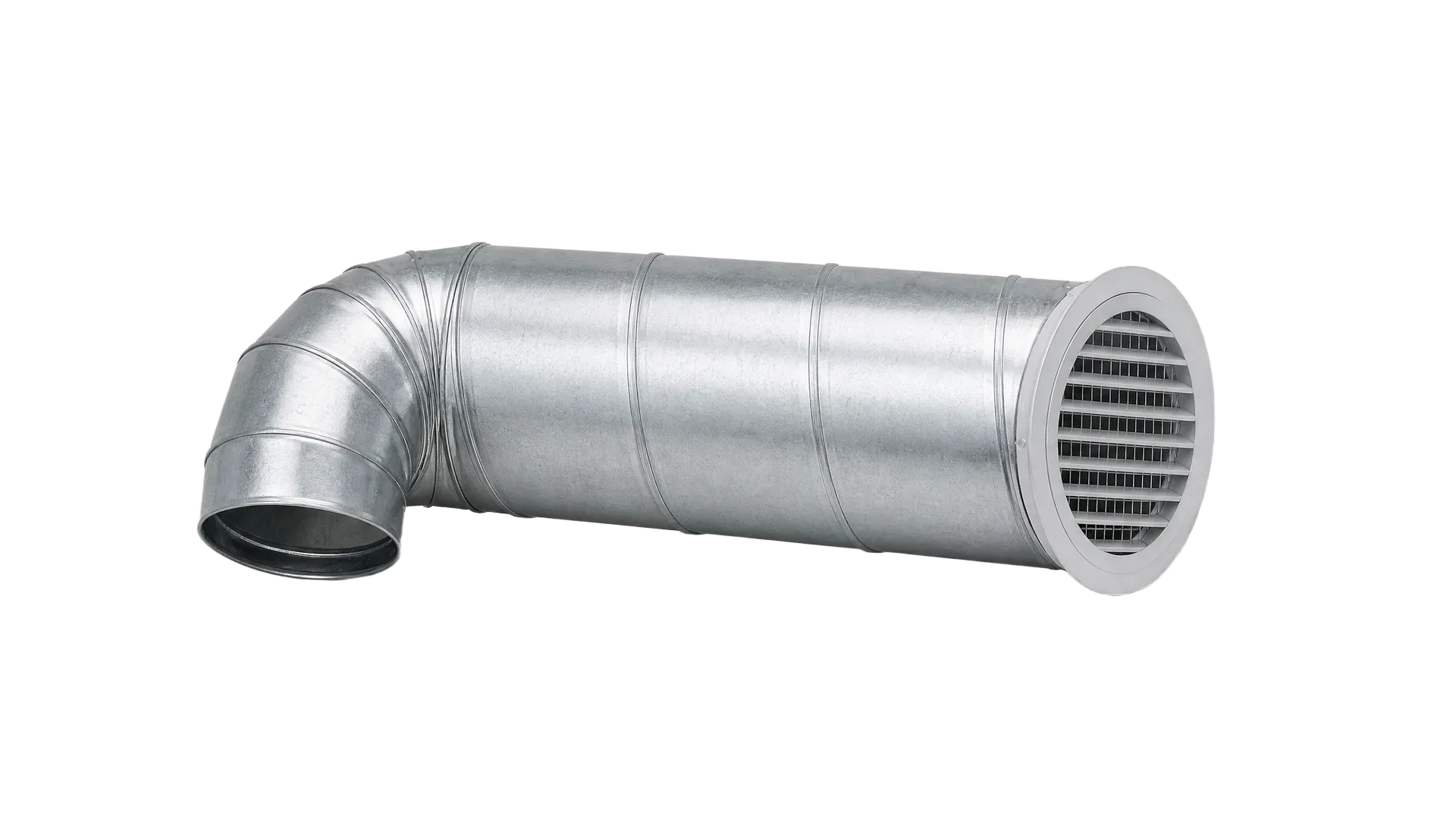
The furnace pulls house air in through the return ducts, heats it, and pushes it back out through the supply ducts to every vent in the house. Dust rides along with that air, and some of it settles out in the long horizontal runs, especially where a branch line levels off or turns. It doesn't stay put. Each time the furnace cycles on, the moving air picks a share of it back up and carries it into the room along with the heat. That's the dust you keep finding on the sill under the vent.
A cleaning crew works branch by branch, running a brush or an air whip down each run to knock the buildup off the sheet metal. At the same time, a vacuum unit hooked to the system pulls suction through the ducts, so what gets knocked loose gets pulled out through the ductwork itself rather than blown into the room. Done right, it's a two-part job happening at once, not a brush pushed through and left at that.
The return side usually needs more attention than the supply side. It's the return ducts pulling dusty house air back toward the furnace in the first place, so that's where more of it tends to collect. A real job covers both sides, the supply runs, the returns, and the main trunk lines feeding them, not just what a flashlight shows through the vent covers you can reach.


New Mexico's low humidity means ductwork itself stays dry inside, so there's no moisture for dust to cling to or cake onto the metal.
That dust just sits loose in the runs instead, waiting for the next time the blower kicks on to send it back through the vents.
Power costs 14.85 cents per kilowatt-hour statewide
At 14.85 cents a kilowatt-hour, running your blower longer than it needs to shows up on the bill. Ducts packed with dust make the furnace push harder to move the same air through every room, and that extra runtime is what you're paying for.
EIA-861 2025 statewide residential average

So is it worth it
If the dust is real and the vents keep going gray within days of a wipe-down, cleaning the ducts solves the problem at the source instead of you chasing it room by room every week. New Mexico's dry air means you're not paying for mold removal you don't need, just the dust that built up while the house sat closed up through a hot summer.
Finding out who actually does this well in your area takes time most people don't have. You'd be searching listings, calling a few companies, explaining the same gray-cloth story to each one, then sitting with three quotes trying to guess which crew is worth the money. Send the form instead and that part of it is off your plate. Someone qualified gets in touch, and you go straight from wondering about your ducts to having someone look at them.


Ductwork Cleaning
Let someone else find the pro

- A local pro who cleans ducts gets in touch with you.
- Your duct cleaning request goes to a local pro who does this work.

- Send the request and finding a pro stops being your problem.
- After this form, you can stop searching for a duct system pro.

- Explain the job once and skip repeating it on every call.
- Skip searching for a duct system pro and answer a few questions instead.

- Your duct cleaning request goes to one local pro.
- Only one pro gets your request, so you hear from one company.