










Is duct cleaning worth it in Las Cruces, NM

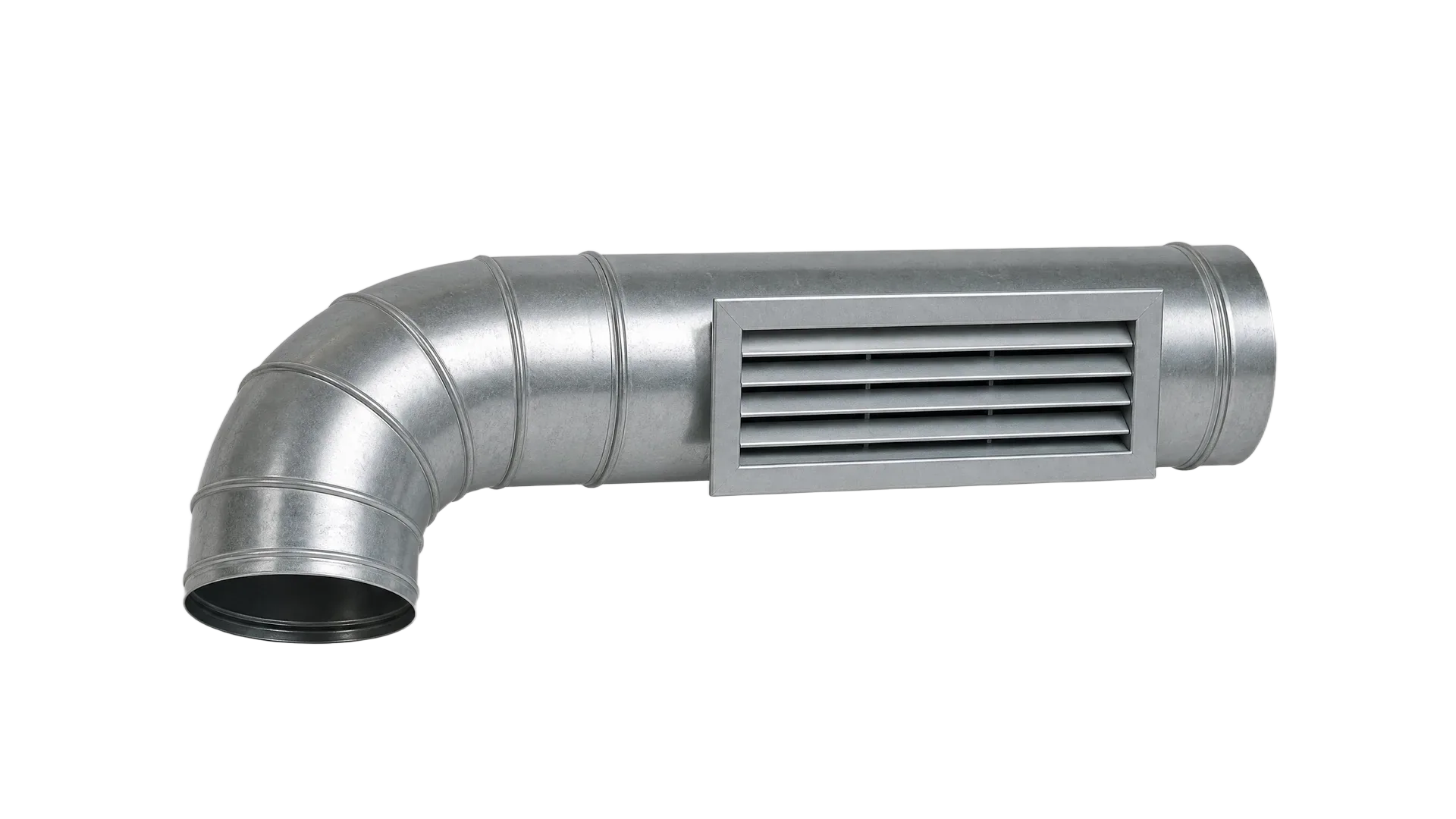
A galvanized steel round duct section with a 90-degree elbow and a rectangular louvered grille on its straight run, shown against a plain gray background.
Skip the calls

Duct cleaning is worth it in Las Cruces when dust has actually built up inside the ducts, which happens here more than most places because the air is so dry and blows so much dust around from April through June. Dry dirt doesn't clump and settle the way it would somewhere humid. It rides the airflow and coats the inside of the ducts, then gets stirred back into the house every time the furnace or the AC kicks on. If you can see dust layering around your vent covers or notice it collecting fast on furniture again right after you clean, that's dirt already moving through the system, and cleaning the ducts clears it out at the source instead of you chasing it room by room. If your vents look clean and the house isn't unusually dusty, you likely don't need it yet. It isn't something to do on a schedule. It's something to do when the dust shows you it's time.

A smiling woman with long brown hair in a dark sweater sits at a light stone kitchen counter with a glass of red wine, with a dimly lit living room in the background.
A smiling woman with dark hair pinned up, wearing a beige sweater, sits looking off to the side in a kitchen with a glass of red wine in front of her, a stainless steel refrigerator, marble counter and a potted plant behind her.
A smiling woman with dark shoulder-length hair in a navy sweater sits at a kitchen counter with a glass of red wine, with a lit living room and pendant lights behind her.
A woman in a dark gray sweater laughs while seated at a white marble counter with a glass of red wine, with a blurred living and dining room behind her.

A crew doesn't just stick a vacuum at one end and call it done. They run a brush or an air whip down each branch line first, knocking dust off the sides of the duct so it can actually be pulled out. The vacuum pulling it out has to be stronger than your furnace blower, otherwise the dust that just got loosened settles right back down at the next bend instead of leaving the system. Every register and grille comes off and gets cleaned on its own, since louvers hold onto dust worse than the straight metal runs do. Most visits also cover the blower wheel and the coil cabinet inside the furnace, since those collect their own buildup separate from the ductwork. Before any of that starts, a camera run through a few ducts tells the crew whether they're dealing with dry dust, which is most of what shows up here, or something damp enough to need more than a cleaning. If they find loose joints along the way, sealing them stops attic or crawlspace dust from getting pulled straight back in.

How duct cleaning actually works

  • A duct cleaning crew runs a brush or air whip down each branch line to knock dust loose before a vacuum pulls it out through the return.
  • The vacuum has to hold a stronger negative pressure than the system's own blower, or loosened dust just settles back into the next bend.
  • Every supply register and return grille gets pulled and cleaned separately, since dust cakes on the louvers more than inside the straight runs.
  • The furnace blower wheel and the coil cabinet collect their own layer of dust and usually get cleaned as part of the same visit.
  • A camera run through a few ducts before the work starts shows whether what's built up is dry dust or something wet enough to need more than cleaning.
  • Sealing any loose joints found along the way keeps outside attic or crawlspace dust from being pulled right back in after the cleaning is done.
A smiling bearded man in a dark green sweater sits at a dinner table with a glass of red wine, a bowl of salad and a lit candle in the foreground, in a dimly lit room with a framed picture, lamp and potted plants behind him.
A woman in a cream knit sweater reclines on a sofa with her eyes closed and a slight smile, a closed dark book resting on a blanket in the foreground and a lit lamp and small potted plant behind her.

Dust loads up the filter first

Before dust ever gets deep into the ducts, it loads up the filter. A dirty filter makes the blower work harder to pull air through it, and in a house running the air conditioner from April through October, that strain adds up. If you're changing filters more often than you used to, or they look gray within a few weeks instead of lasting a month, that's dust moving through the house faster than normal. It's a sign worth checking before you decide ducts need cleaning, since a cheap filter swap sometimes solves what looks like a duct problem.

What a dusty supply register tells you

Pull a supply register off the wall and look at the inside of the boot below it. A thin film of dust is normal. A buildup thick enough to see in clumps, or dust that puffs out when the blower kicks on, means it's settled past the register and into the branch line behind it. Checking two or three registers around the house, especially ones farthest from the furnace, gives a better read than checking just one near it. If what you find matches what the first registers showed, the ductwork behind them likely tells the same story.

How old is your ductwork, and how hard does it work?

  • Half the homes here were built by 1991

    Half the homes in the county were built in 1991 or earlier. If yours is one of them, the ducts have had decades to collect dust nobody has ever cleaned out.

  • Heat runs November through April

    Heat runs November through April here, six months of pushing air through the same ducts every year. That's six months of dust getting stirred up and moved around your house.

  • Cooling runs May through September

    Cooling runs May through September, so for five more months the same ducts are carrying air again. Ten months of the year, something is moving through them.

ACS 2020-2024 · NOAA nClimDiv 1991-2020

Empty unfinished basement with concrete walls and floor, exposed wood joists, metal HVAC ducts and pipes overhead, and a steel support column near a framed wall.
Air moves through these runs the way it's supposed to, so dust stays thin on the metal and the blower doesn't work any harder than it has to.
Empty basement with bare concrete walls and floor, a steel support column, and galvanized sheet-metal ductwork and pipes running along the exposed wood joist ceiling.
Here the dust has built up along the bottom of the runs, thick enough to narrow the path and feed itself back into the air every time the blower kicks on.
  1. A technician opens access ports at the furnace and in the branch lines.

  2. A brush or air whip knocks dust loose inside each duct run.

  3. A vacuum set to negative pressure pulls the loosened dust out.

  4. The supply and return registers get wiped down and reattached.

Power here costs 11.06 cents per kilowatt-hour

At 11.06 cents a kilowatt-hour, the blower doesn't cost much to run, but it still has to push air through whatever is sitting in those ducts. A clogged return makes it work longer to move the same air, and that runtime is what shows up on the bill, cheap rate or not.

EIA-861 2025

A dim room corner with a dark grey sofa and cushion, a wooden side table holding a ceramic vase and a small potted plant, a linen curtain beside a bright window, and a wall vent near the ceiling.

The window's open a crack because April is the one month here that doesn't ask for heat or air. Light comes in flat across the living room floor. Up on the ceiling the vent grille has a soft gray edge to it, dust sitting in the slots where the louvers meet the frame. On the side table under it, the same dust, thin but even, the kind that comes back a day after you wipe it. You run a finger along the table and look up at the vent before you go find the rag again. Nobody's touched that grille since it went in.

One form, no calling around

The pro who gets in touch is licensed in New Mexico and works in Doña Ana County.

No charge to send it. You decide if you hire them.

Skip it this year

If your filter has stayed clean and nobody in the house has had more dust or allergy trouble than usual, the ducts probably aren't the problem. A system that runs well, with steady airflow at every register and no musty smell when the furnace or air conditioner kicks on, doesn't need a cleaning just because years have passed. Spend the money on a new filter instead and check it monthly through the dusty months. If the registers are still pushing air the way they should, the dust sitting in the runs is thin enough that it isn't feeding back into the house.


Get it done now

If registers near the end of a run put out noticeably less air than the ones close to the furnace, or you've pulled a filter out early because it was already packed, dust has built up enough to matter. Add a musty smell when the system starts, or dust that resettles on furniture within a day of cleaning, and the ducts are feeding the house faster than you can keep up with it. A crew that knows the dust here moves differently than it does elsewhere will clear the runs instead of just knocking dust from one spot to another.

Galvanized sheet-metal ductwork and round pipes run along a wooden floor joist ceiling above a bare concrete wall and floor.
Before you get your ductwork cleaning
Unfinished basement with concrete floor and walls, exposed wood joists, steel support posts, and large galvanized sheet-metal ductwork running to a furnace or air handler against the far wall.
After you get your ductwork cleaning

Clean the Ducts or Hold Off

Clean the ducts

  • A dirty return choked with dust forces the blower to run longer to move the same amount of air through the house.
  • Dust that's built up thick enough to feed back into the airflow keeps recoating the filter right after you change it.
  • A musty smell when the furnace or air conditioner kicks on usually means something is sitting in the ducts, not just in the filter.
  • If the ductwork is original to a house built decades back, nobody has ever pulled the dust out of those runs.
  • A crew working the branch lines can check the duct material and the connections while they're in there, not just clear the dust.

Skip it for now

  • If the filter still looks clean at the usual change interval, the ducts likely aren't loaded enough to matter.
  • Steady airflow at every register, with no weak spots, points to a system moving air the way it's supposed to.
  • Nobody in the house dealing with more dust or allergy trouble than normal is a sign the ducts aren't the issue.
  • No musty smell when the heat or air kicks on means there's nothing sitting in the runs to blow around.
  • A system that was cleaned recently, or that's newer and hasn't had years to collect dust, doesn't need it again yet.
Unfinished basement with bare concrete floor and walls, exposed wood joists, metal ductwork, a furnace unit, steel support posts, and a small window.

Ducts doing their job

Air moves through the metal freely here, same as the day it went in. The furnace and water heater sit underneath, and the runs overhead carry air without resistance. A system set up like this holds the airflow it was built for.

Empty basement with bare concrete walls and floor beneath an exposed wood-joist ceiling carrying galvanized sheet-metal ductwork, round ducts and pipes.

Ducts holding dust

The runs along these joists have a load sitting inside them, enough to narrow the path air has to move through. The blower works harder for the same result, and the dust that's already loose feeds back into the house every time the fan kicks on.

A closed laptop and a ceramic mug of coffee on a wooden table, with a blurred kitchen counter, cutting board, utensil jar and plant in the background.

Worth it when the dust is actually there

A duct cleaning in Las Cruces is worth doing when the dust has built up enough to narrow the runs and feed back into the air you breathe. It's not worth doing on a schedule, and it's not worth doing because a flyer in the mail said so. The filter, the registers and what's actually settled in the branch lines tell you which side of that line you're on.

If you land on the side that needs it, finding someone to do the work is its own chore: looking up companies, calling a few, explaining what you've found in the ducts to each one, then sitting with quotes that don't line up. This connects you with one licensed contractor local to Doña Ana County, someone who works on duct systems through the dust of an Organ Mountains spring and the dry heat that follows, and already knows what that does to a system like yours.

A dark ceramic vase holding a leafy green branch sits on a round wooden table, with a blurred cushioned wooden armchair, woven basket, window and shelving with pottery in the background.
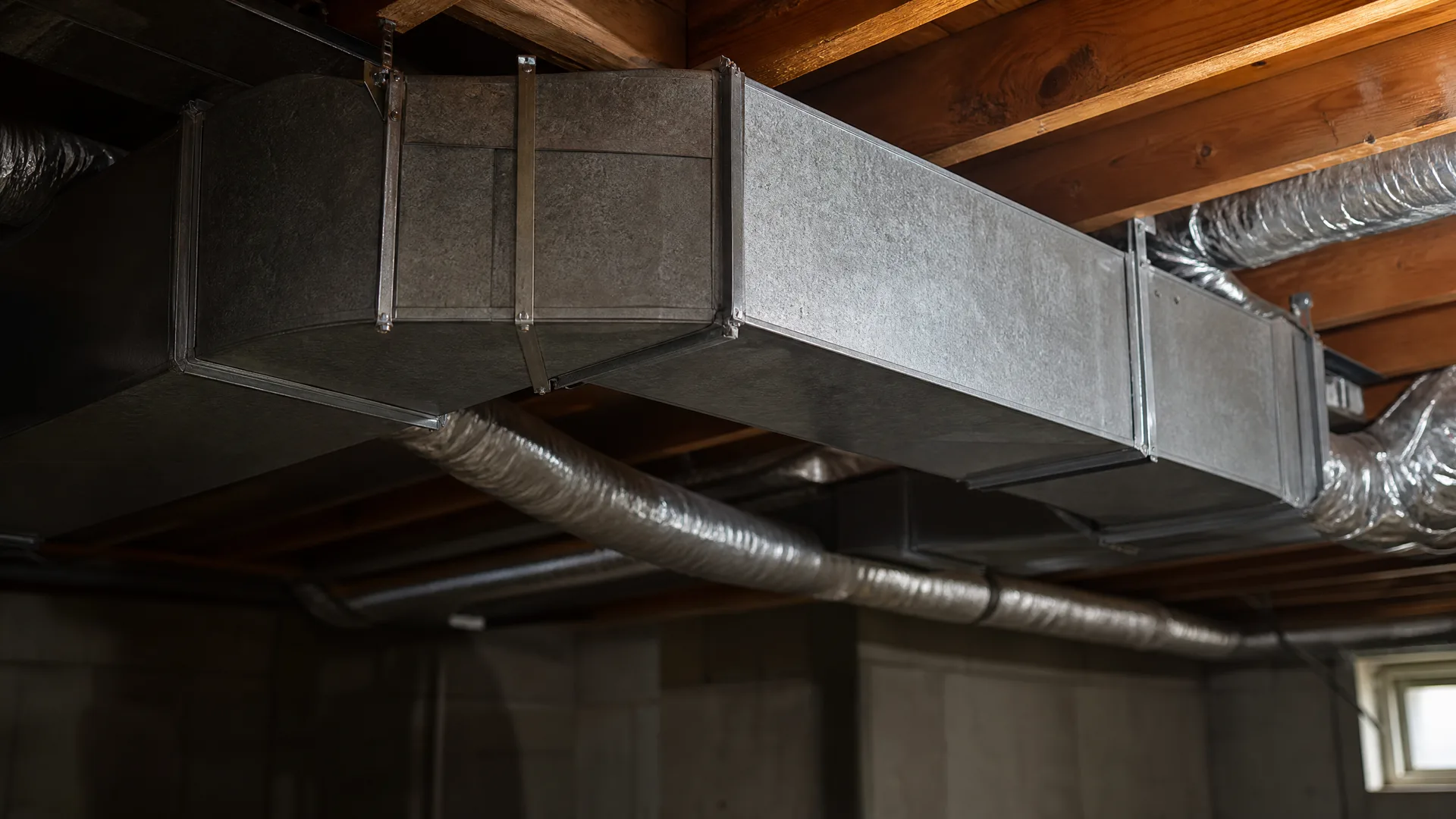
Rectangular sheet-metal HVAC trunk ducting and insulated flexible ducts running along wooden floor joists in an unfinished basement ceiling above concrete block walls.

Skip the search

Duct and vent cleaningDucts or ventsDoña Ana County, NM
Step 1 of 2

What ZIP code is the job in?