






How often to clean air ducts in New Mexico

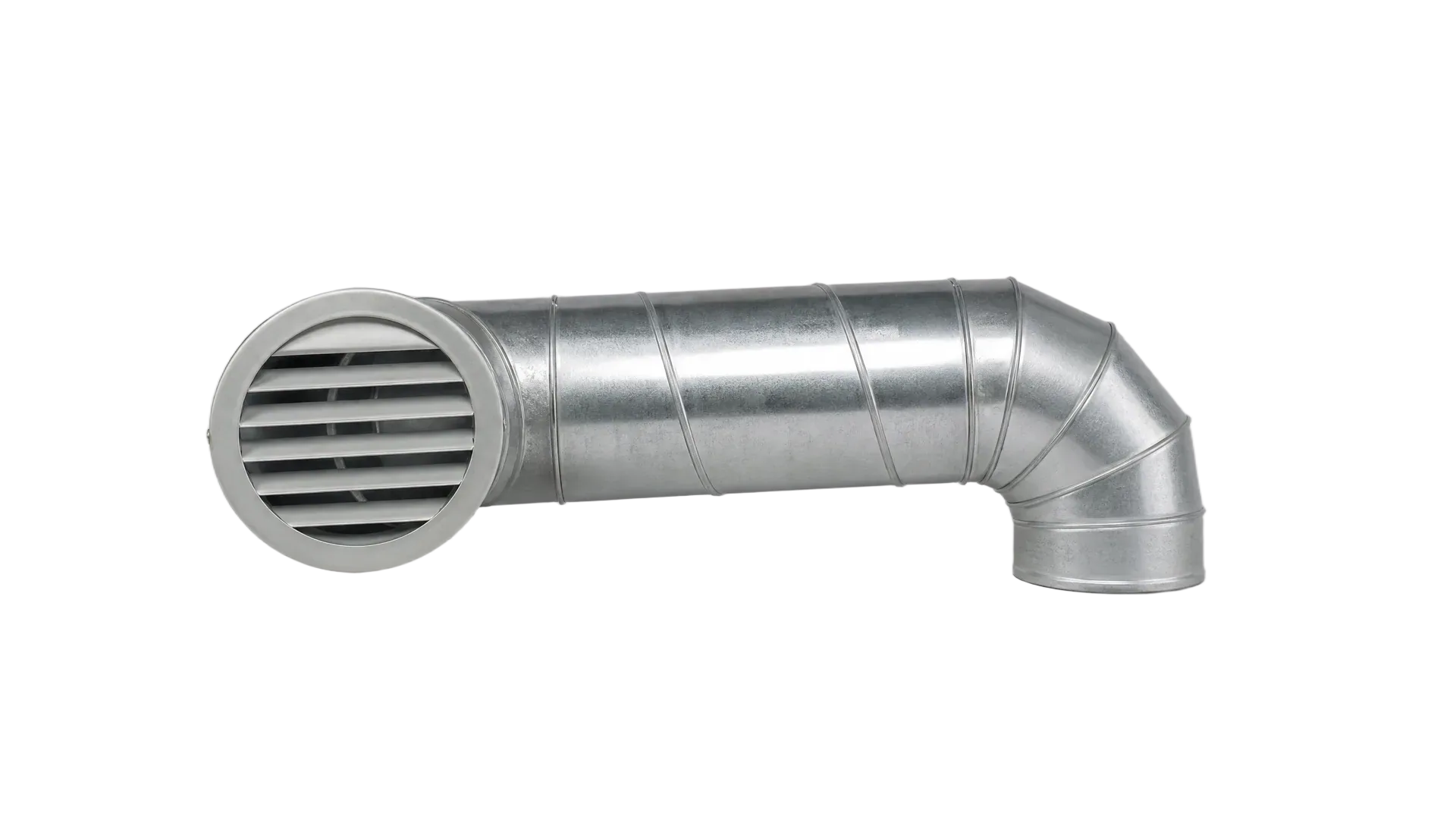
A galvanized steel round duct section with a 90-degree elbow at one end and a louvered vent grille at the other, photographed against a plain gray background.
Get my match

How often should you clean air ducts in New Mexico?

You keep seeing the number three to five years thrown around online, but that's a national average, not something lined up to your house or your climate. New Mexico runs dry and dusty most of the year, and you want to know if that changes things, or if your ducts need attention on a different schedule than someone living somewhere wetter.

Every 3 to 5 years, sooner if you run evaporative cooling

Every 3 to 5 years is the right interval for most homes here, same as the general rule, because dust and dander build up in ductwork at roughly that pace no matter how dry the air outside is. The difference in New Mexico is what rides along with that dust. Dry summer air carries fine grit that works its way into the system, and if your home uses a swamp cooler instead of standard AC, the extra moisture moving through the ducts can mean buildup collects faster than it would with a sealed, dry-running system. If that's your setup, lean toward the 3-year end rather than the 5.

A smiling man with dark curly hair in a dark green henley shirt sits on a light sofa in a living room with large windows, a lamp, shelving, a stone fireplace, and a bowl of popcorn in the foreground.
A smiling man in a dark long-sleeved henley shirt sits on a beige sofa in a living room, with a bowl of popcorn and a remote on the table in the foreground and shelves, a lamp, and a doorway behind him.
A smiling man with graying hair and stubble in a blue henley shirt sits on a gray sofa with cushions in a living room, with a bowl of popcorn on a wooden table in the foreground.
A smiling man in a dark green long-sleeve shirt reclines on a sofa in a dimly lit living room, with a bowl of popcorn on a side table in the foreground and a bookshelf, lamp, and houseplant behind him.

Why dust is the real driver

Dry dirt doesn't stay on the ground here the way it does somewhere wet. Wind picks it up off bare yards and unpaved stretches of road and it finds its way into a house through gaps around doors, windows, and the attic. Once it's inside, the return vents pull it straight into the ductwork. A house in a wetter state might go longer between cleanings just because less fine dust is circulating to begin with. Here, that dust builds up on the inside walls of the duct run itself, not just on the filter, which is why checking the filter alone doesn't tell you the full story.

What the furnace adds to it

Most homes in New Mexico heat with gas, and gas furnaces push a lot of air through the same ducts all winter. That airflow is what moves dust deeper into the system rather than letting it settle near the intake. Combustion also produces a small amount of soot, and over years that mixes with the dust already sitting in the duct walls. None of this shows up as a smell or a visible problem right away. It shows up as a thin coating that thickens with each heating season, which is why a duct system can look fine from the vent cover and still be due for a real cleaning.

A woman in a dark knit turtleneck sweater reclines on a couch under a cream knit blanket, looking down at an open book, with a lit table lamp and framed pictures behind her.
A smiling middle-aged man in a dark green sweater sits at a candlelit table with wine glasses and a plate of greens in a dimly lit interior.

A pro who works on ducts

That fine dust coming through your vents doesn't wait for a schedule. If you're seeing it settle on furniture a day after you dust, or your gas furnace is running dirtier and shutting off on its own more than it used to, your ducts are past due now, whatever the calendar says. Waiting on a fixed number of years means living with worse air and a furnace working harder than it should through a New Mexico winter. The other side of that wait is a system that heats and cools the way it's supposed to, with air that doesn't carry grit into every room. Getting a straight answer on your own ducts means having someone look at what's actually built up in them, not guessing from an average that was never about your house. That's the part worth handing off. You've already done the work of figuring out that your situation doesn't match the generic answer. Finding someone to check it shouldn't be the next thing you have to chase down.

Unfinished basement with bare concrete floor and walls, exposed wood joists, large galvanized sheet-metal ductwork, PVC and copper piping, and a gray furnace unit beside wood stud framing.

Ductwork running clean

This is what a duct system looks like when it's doing its job. Air moves through the metal without resistance, the furnace cycles the way it was built to, and nothing fine or gray is collecting in the corners of the vents. Dust from outside still gets in, but it's not pooling in the lines.

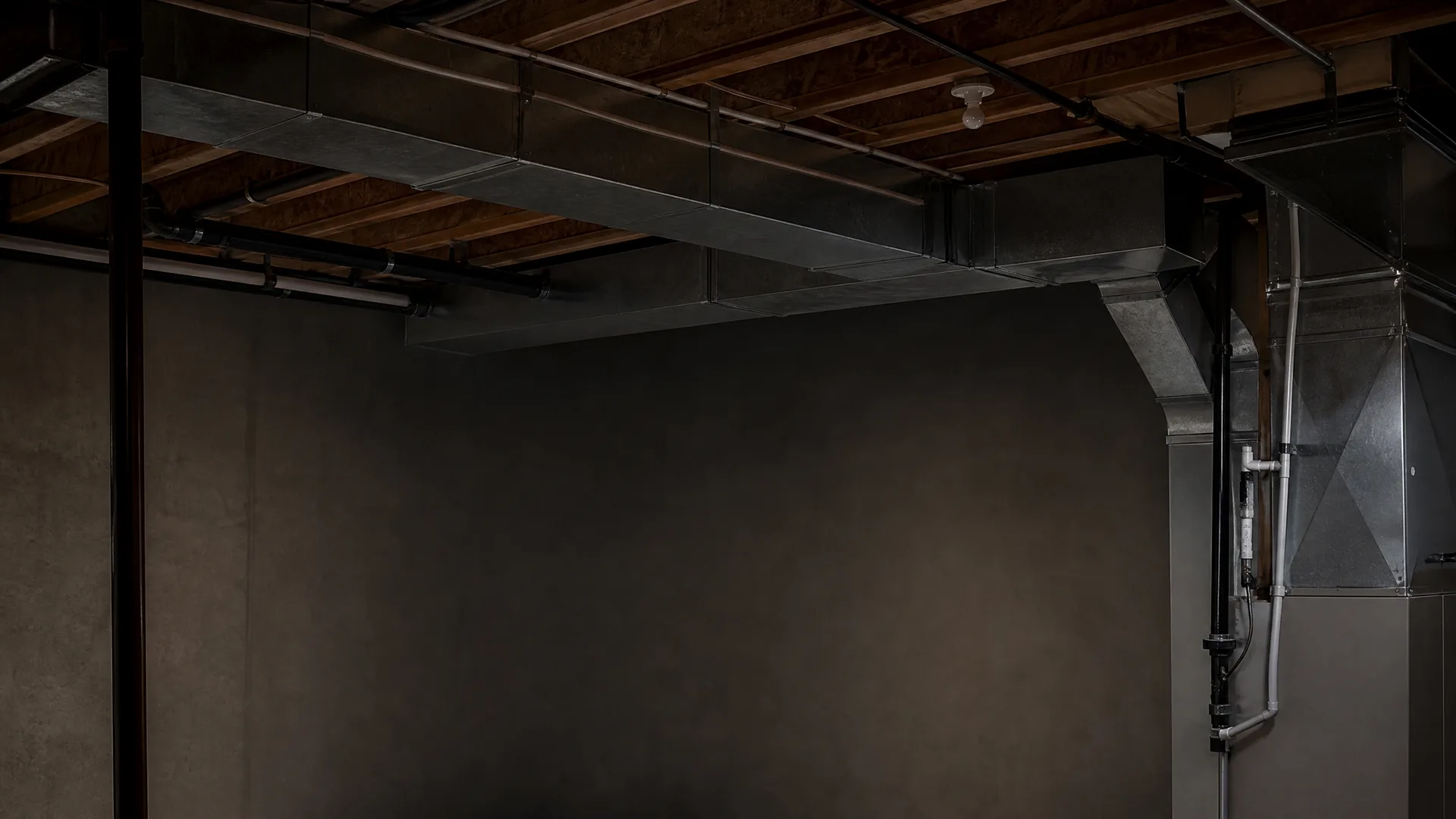
Basement ceiling with large galvanized sheet-metal ductwork, round metal pipes and plumbing lines running beneath wood joists, above a bare concrete wall and floor.

Ductwork overdue

Stains on the foundation wall mean moisture has been sitting somewhere nearby, and damp air through ductwork gives dust something to stick to instead of blowing through. Once that buildup starts, it packs in layer after layer along the joists and the metal, and it doesn't clear itself out.

Power costs 14.85 cents per kilowatt-hour statewide

At just under 15 cents a kilowatt-hour, that's not the cheapest power around, so a furnace blower working harder to push air through clogged ducts shows up on your bill. Clean ducts mean the blower motor isn't straining against caked-on dust, and it doesn't have to run as long to do the same job.

EIA-861 2025 statewide residential average

Where That Leaves You

  • Most New Mexico homes land somewhere between two and three years between duct cleanings, not the five you see quoted nationally.
  • Dry wind and unpaved ground push dust into your ducts faster here than in wetter climates, which shortens the interval.
  • A gas furnace straining to push air through caked ducts cycles more and shows up as a higher bill at New Mexico's power rates.
  • Dust settling on furniture again within a day of cleaning, or a furnace shutting off on its own, means your ducts need attention now rather than on a fixed schedule.
  • Once you send the request, you're done searching and the next step is a contractor reaching out to look at your actual system.
  • Clean ducts let a furnace run the way it was built to, without the blower working against buildup inside the metal.

Two to three years is the real number for most houses here, not the five you find when you search without naming a state. New Mexico's dry wind and bare ground move dust into a house faster than that national figure accounts for, so the shorter interval isn't caution, it's just what the climate does to a duct system. Your gas furnace feels it before you do. Caked ducts make the blower push harder, the furnace cycles more to reach the same temperature, and at roughly 15 cents a kilowatt-hour that extra strain turns into a bill you can see month to month. Some signs don't wait for the two or three year mark to show up. Furniture dusty again a day after you've wiped it down, or a furnace that shuts off on its own more than it used to, means the ducts are already past where they should be, regardless of when the last cleaning happened. That's the whole answer: a schedule to aim for, and signs that override it when they show up early. What's left isn't figuring out who to call or when to call them. Send the request and that search ends. A contractor who works on systems like yours takes it from there, looking at what your house actually has rather than a national average that was never about your climate to begin with. The part that was yours to work out is done.

Dim interior with a dark gray wall, exposed wood joist ceiling, sheet-metal ductwork, conduit, pipes and a sprinkler head.

Get your ductwork to the right pro

One request and the search for a pro is handled.

Duct and vent cleaningDucts or ventsNew Mexico
Step 1 of 2

What ZIP code is the job in?