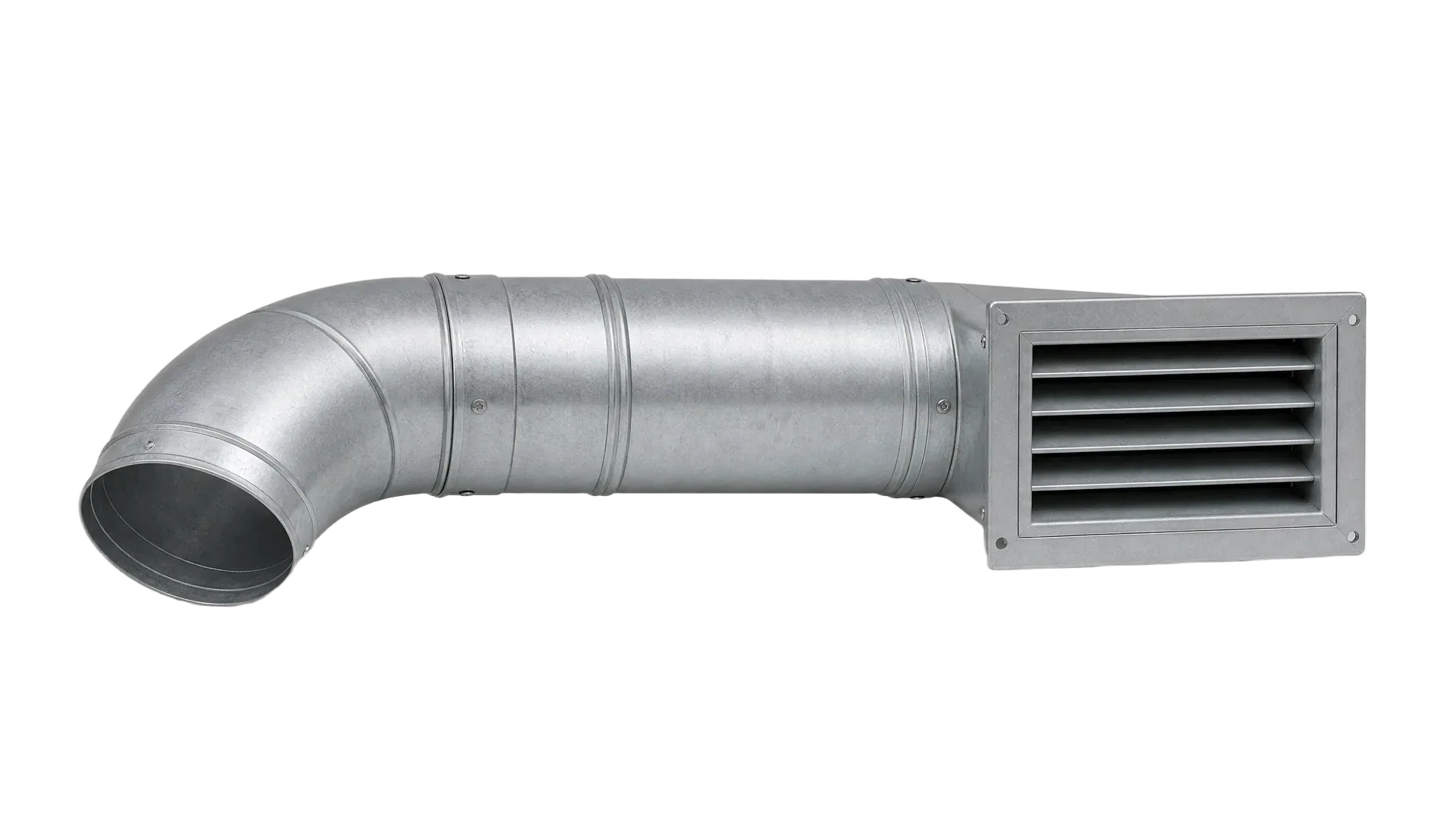
Dry air, more dust
Low humidity here keeps dust particles light enough to stay in the air instead of settling, so your system pulls more of it through the ducts on every cycle.
The dust is coming in through your ducts, and New Mexico's dry air makes it worse. Dust that would settle on the ground somewhere humid stays airborne here, and your return vents pull it straight into the duct system every time the furnace or the AC runs. Over months that dust builds up on the inside walls of the ducts themselves, not just the filter, and every cycle stirs a little of it loose and sends it back into the house. A dirty filter lets more through, but even a clean one won't stop what's already coating the ducts. That buildup is also why dusting the same shelf twice a week doesn't fix it. The source isn't in the room, it's in the system feeding the room air, and it stays there until someone cleans the ducts themselves.




Every time the blower runs, room air gets pulled back through the return vents and into the duct system. Whatever is riding in that air brushes against the inside of the metal, and some of it sticks. The bends in the ductwork and the seams where sections join catch the most, because the airflow slows down there just enough for dust to settle instead of passing through. Your gas furnace keeps its combustion air separate from the air it heats, so none of this has to do with the burner. It is happening in the supply and return runs themselves, a little more with each cycle. The filter only catches what comes back through it on the way to the furnace. Dust that is already loose in the supply ducts never passes through the filter at all, so it rides straight out into your rooms. A system with a lot of turns or long runs gives dust even more surface to collect on before it reaches a vent.


Low humidity here keeps dust particles light enough to stay in the air instead of settling, so your system pulls more of it through the ducts on every cycle.
Send the form once and skip the searching, the phone calls, and repeating the same explanation to every contractor you find on your own.


Run your finger along the inside of a return vent cover. If it comes back gray, that same dust is moving through every duct run in the house and settling out onto your furniture, your floors, and your furnace filter faster than it should.
A filter you're changing more often and surfaces that need dusting every few days instead of every few weeks both point to the same place: the ductwork moving air through your house all day, every day.
At 14.85 cents a kilowatt-hour, running the blower longer than it needs to shows up on your bill. A duct system coated in dust makes the furnace and the AC push harder for the same airflow, so cleaning it out is one less reason either one has to work overtime.
EIA-861 2025 statewide residential average
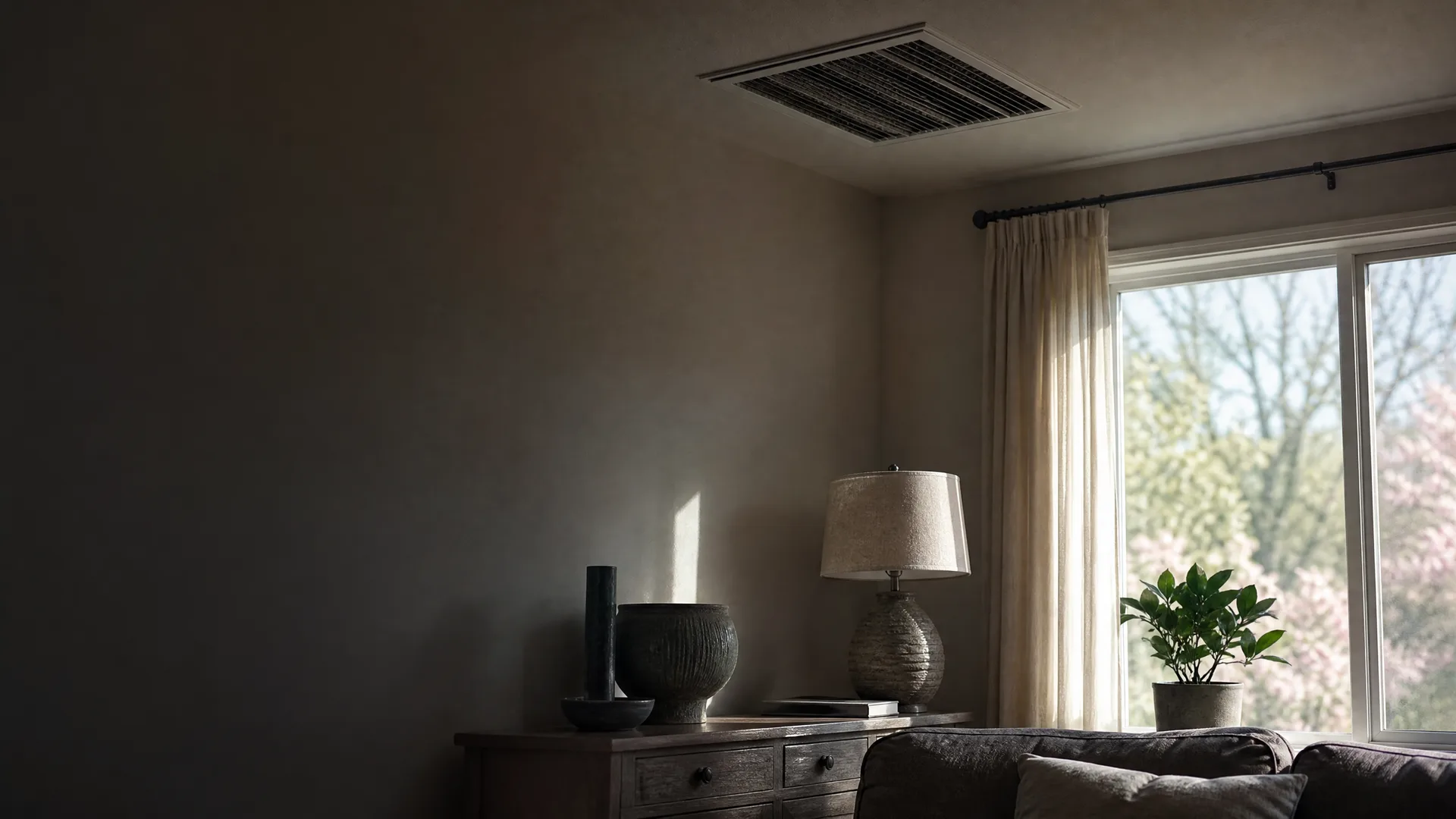
It's late March, midafternoon, sun flat through the living room window. You're on the couch and you notice the ceiling vent above the TV has gone gray around the edges, a soft fringe of dust on the grille. You run a finger along the windowsill and it comes back the same color. The end table under the vent has a thin film on it, the kind you wiped off three days ago. Outside the air is dry and still, no humidity to pull any of this down, so it just keeps riding the air the furnace pushes through the room and landing wherever it stops moving.
Answer a few questions instead of calling shop after shop.
Sending the form costs nothing.
Your filter clogs sooner than it should, so you're replacing it more often and still finding dust on the windowsill a few days later. The furnace runs longer to push the same air through, and vents keep going gray around the edges no matter how often you wipe them down. You end up dusting the same shelf twice a week and wondering why it never seems to help for long.
Air moves through the system the way it's supposed to, so a filter lasts closer to its full stretch before it's choking on buildup. Vents stay clean longer, shelves stay clean longer, and the furnace isn't working against a coated duct run just to keep the house at temperature. You're back to checking on things occasionally instead of chasing dust that keeps coming back within days.
You dust the shelves on a Sunday and by Wednesday there's a thin gray film back on them. The TV stand, the windowsill, the top of the fridge, all the same. You might sneeze more in the room where the vent is, or notice the air feels gritty a day or two after you vacuum. Check the return vent cover and it's probably dull with buildup even though you just wiped it down last month. None of that is you falling behind on cleaning. It's dust moving through the ducts faster than this climate lets it settle, and a house that stays this dusty is harder on anyone in it who already deals with allergies or asthma.

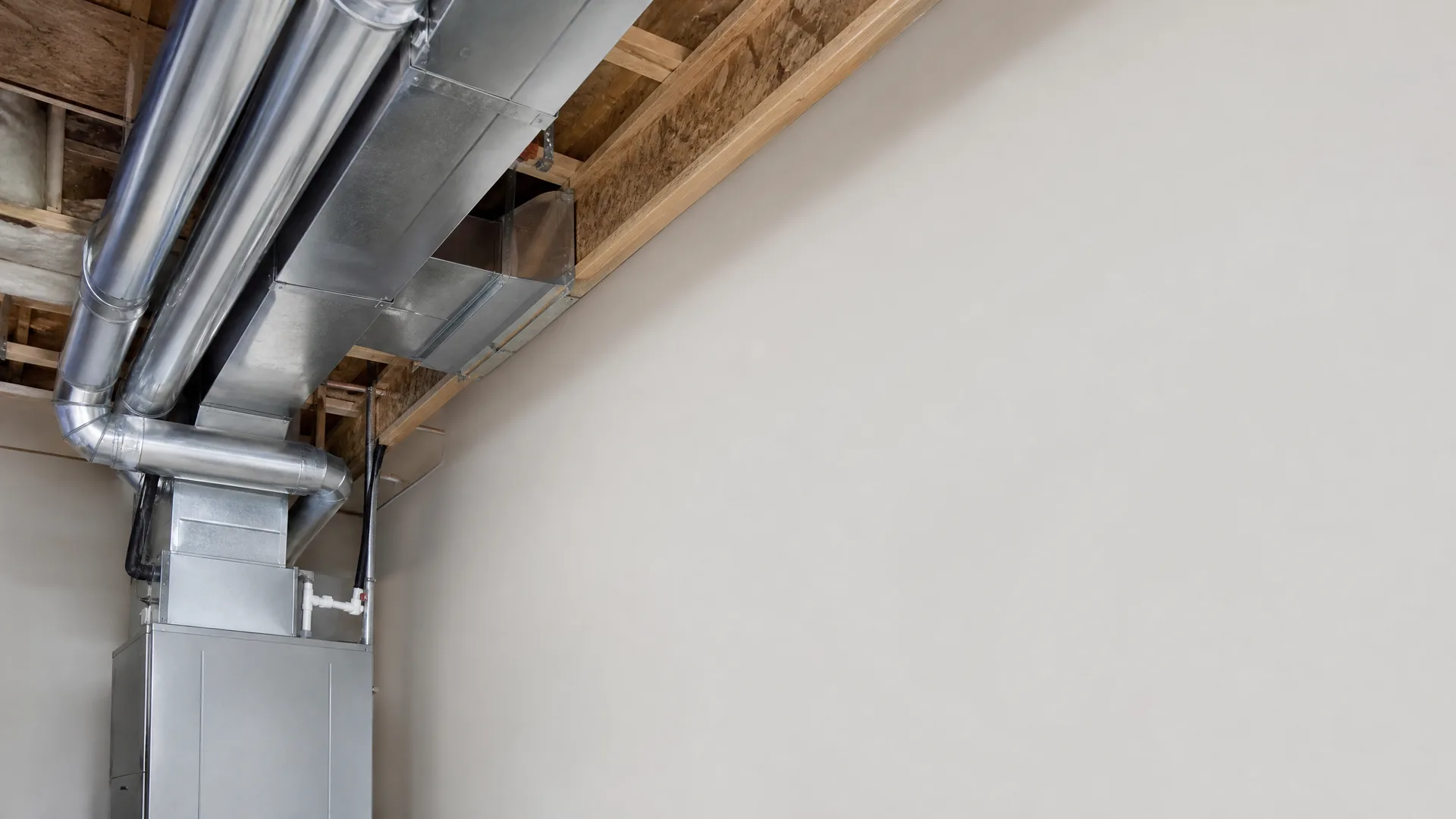
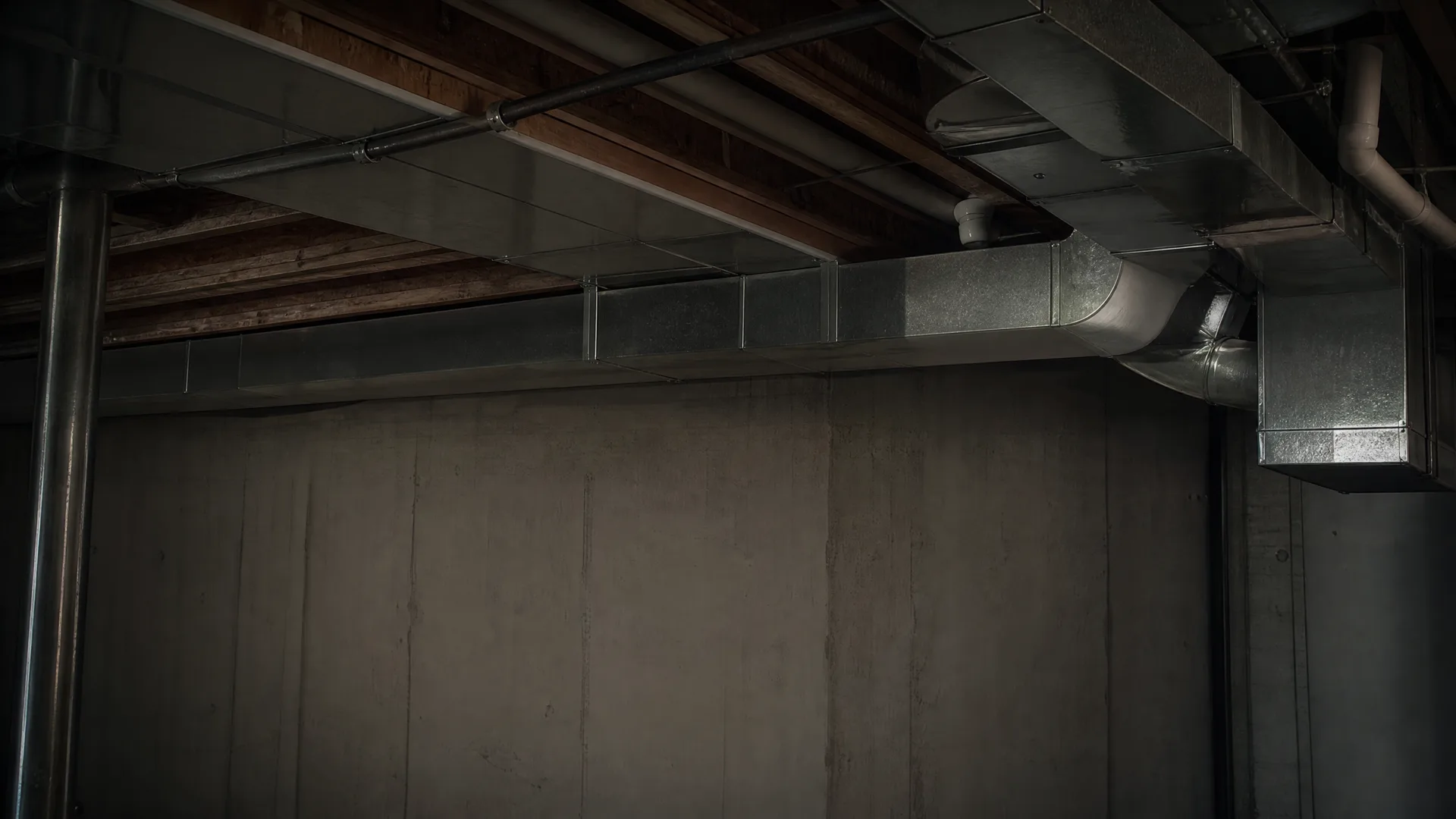
This is a duct system doing what it should. Air moves through the metal and out the vents without leaving a coating behind. The furnace in the corner pulls air through, conditions it, and sends it back out without fighting a layer of buildup along the way.

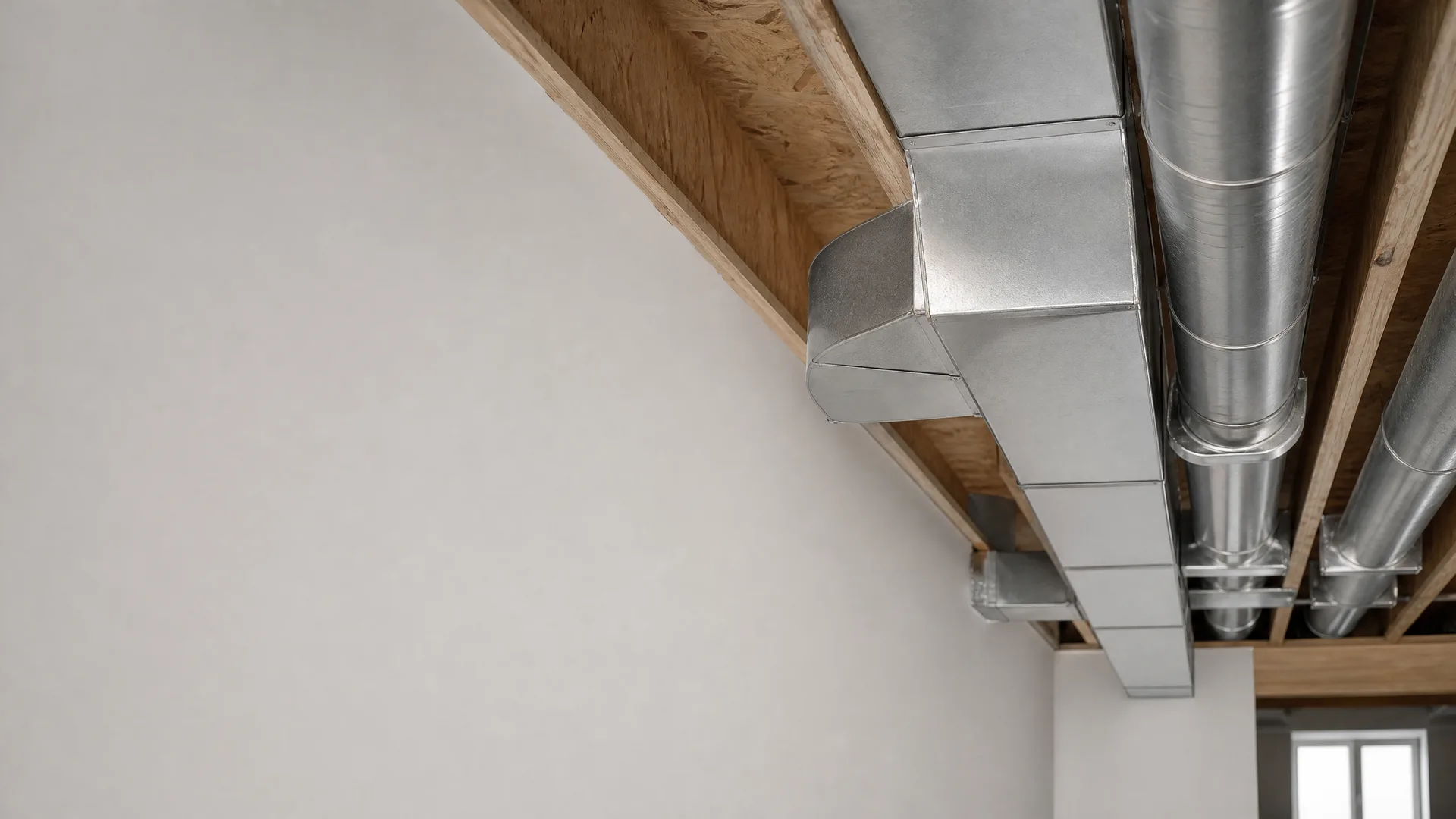
Every run shown here has been coating itself for a while, the same way your supply and return lines do. Each pass of air leaves a little more behind at the bends and seams, and that's what ends up back in the room every time the furnace or the AC kicks on.

Dry air keeps dust riding the air in your house instead of settling, and your ducts pull it in and spread it through every room on the system, every time the furnace or the AC kicks on. Cleaning the ducts out breaks that cycle. It won't change the dry air, but the air won't be carrying a coating of dust through your vents anymore.
You could start looking for someone to do it, which means finding a few names, calling around, explaining the gray vents and the windowsill and the filter all over again to each one, then sitting with the quotes to figure out who's worth it. Or you send the form once and that part is off your plate. Someone else does the finding from here.

Describe your ductwork job once, to one pro.
