
HVAC Installation in Deming, NM
A new system here will heat from November through April and cool from May through September every year. Tell us about the house, and a licensed contractor who covers Luna County will get in touch.
Tell us about the job
It takes about a minute.
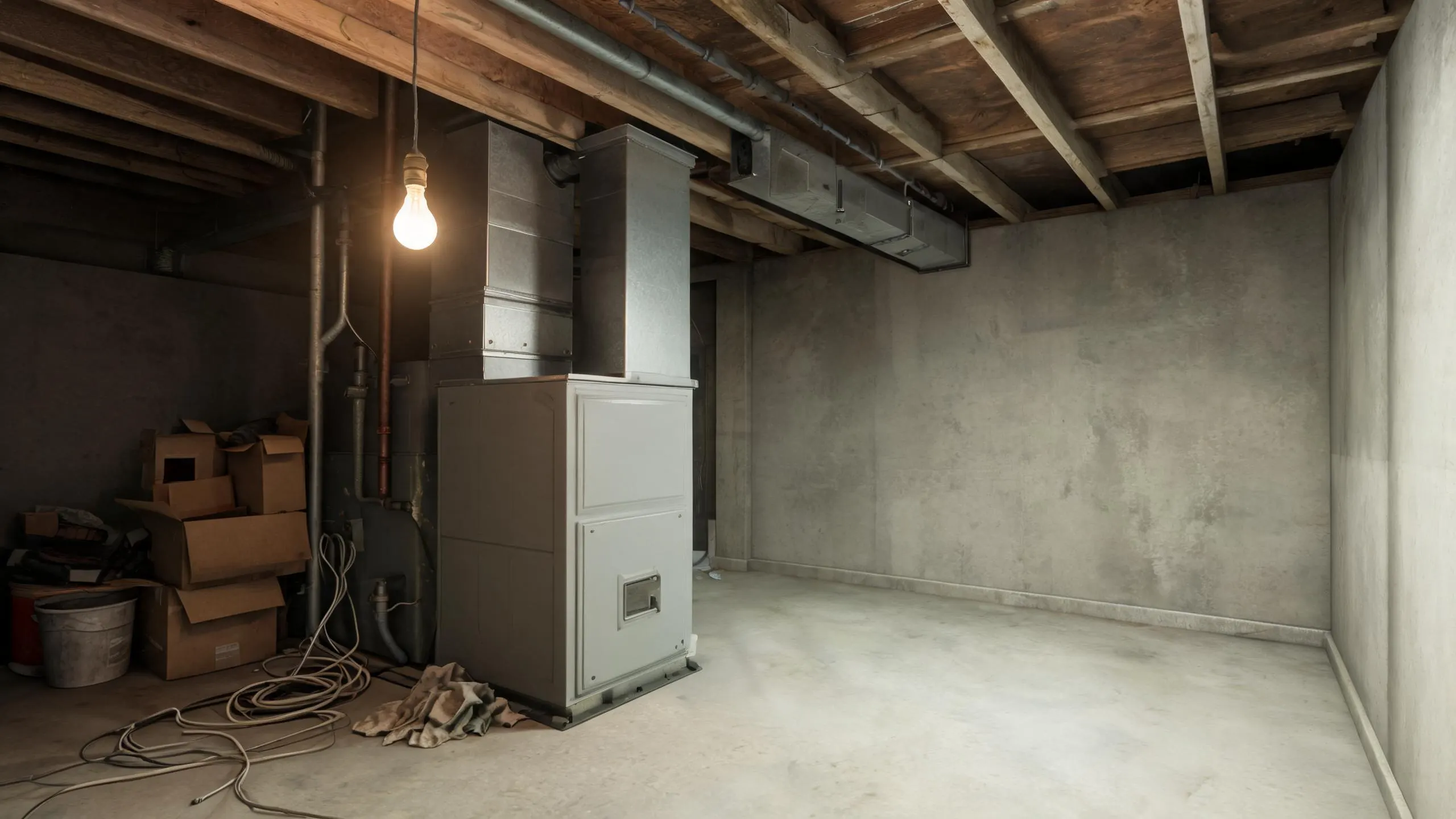
Deming asks a lot of a heating and cooling system
Eleven months out of the year, homes here are running one system or the other. Heat from November through April, when nights average 29°F. Cooling from May through September, with afternoons averaging 94°F. A new system has almost no season off to rest and recover before the next one starts.
That kind of run time means the equipment has to be sized and installed right the first time, on both the heating side and the cooling side. Luna County has also seen 18 damaging wind events and 6 winter storms over the past ten years, and in New Mexico, 13% of households went at least a day without power last year. Worth asking your contractor how the system you choose handles a power interruption, and what happens to it when the wind picks up.
- 6 months
- November through April, your system heats
- 5 months
- May through September, it cools
- 29°F
- the average winter night it heats against
- 94°F
- the average summer afternoon it cools against
NOAA nClimDiv, 1991–2020 normals
New Mexico requires HVAC contractors to hold a state license.
The Construction Industries Division tests and licenses HVAC contractors across the state, and the license belongs to the contractor rather than to any single job. That means the same license covers this installation as would cover the next one, and CID keeps the record of who holds it.
For a heating and cooling system installation, the license is what stands behind the person doing the work, but it is not the only check on this job. In most cities and counties in New Mexico, replacing a furnace, air conditioner or heat pump needs a permit from the local building office, and an inspector checks the work once it is done.
Source: New Mexico Regulation and Licensing Department
- When should I replace my HVAC system?
- Replace it when repairs stop making sense or the system can't keep up anymore. An older furnace or air conditioner that needs a major repair is usually a better candidate for replacement than another fix. Watch for rooms that won't hold temperature, a system that runs constantly, or a jump in your utility bills with no other explanation. Here, homes need heat or cooling 11 months of the year, so a system on its last legs doesn't get much of a break to fail gracefully.
- Should I replace my furnace and air conditioner at the same time?
- If both are old, yes, it's worth considering even if only one has failed. A furnace and air conditioner installed together are matched to work as a system, and pairing a new unit with one that's much older often means the older one fails soon after, forcing a second installation and a second disruption. It also means one visit from the contractor and one permit instead of two. If your furnace and AC were installed around the same time originally, they're probably close to the same age now, which makes this worth asking about even if only one is showing problems.
- What happens during an HVAC installation?
- A contractor removes the old equipment, sets the new furnace, air conditioner or heat pump in place, and connects it to your ductwork, gas line or electrical, and condensate drain. They'll check the ducts for leaks or damage while everything is open, since a new system pushing air through bad ductwork won't perform the way it should. Replacing a furnace, air conditioner or heat pump here needs a permit from the local building office, and the finished work gets inspected before the job is closed out. A contractor will price the job once they've seen your house and know what the installation involves.