
Furnace Installation in Deming, NM
A new furnace here will run from November through April every year. Tell us about the house, and a licensed contractor who covers Luna County will get in touch.
Tell us about the job
It takes about a minute.
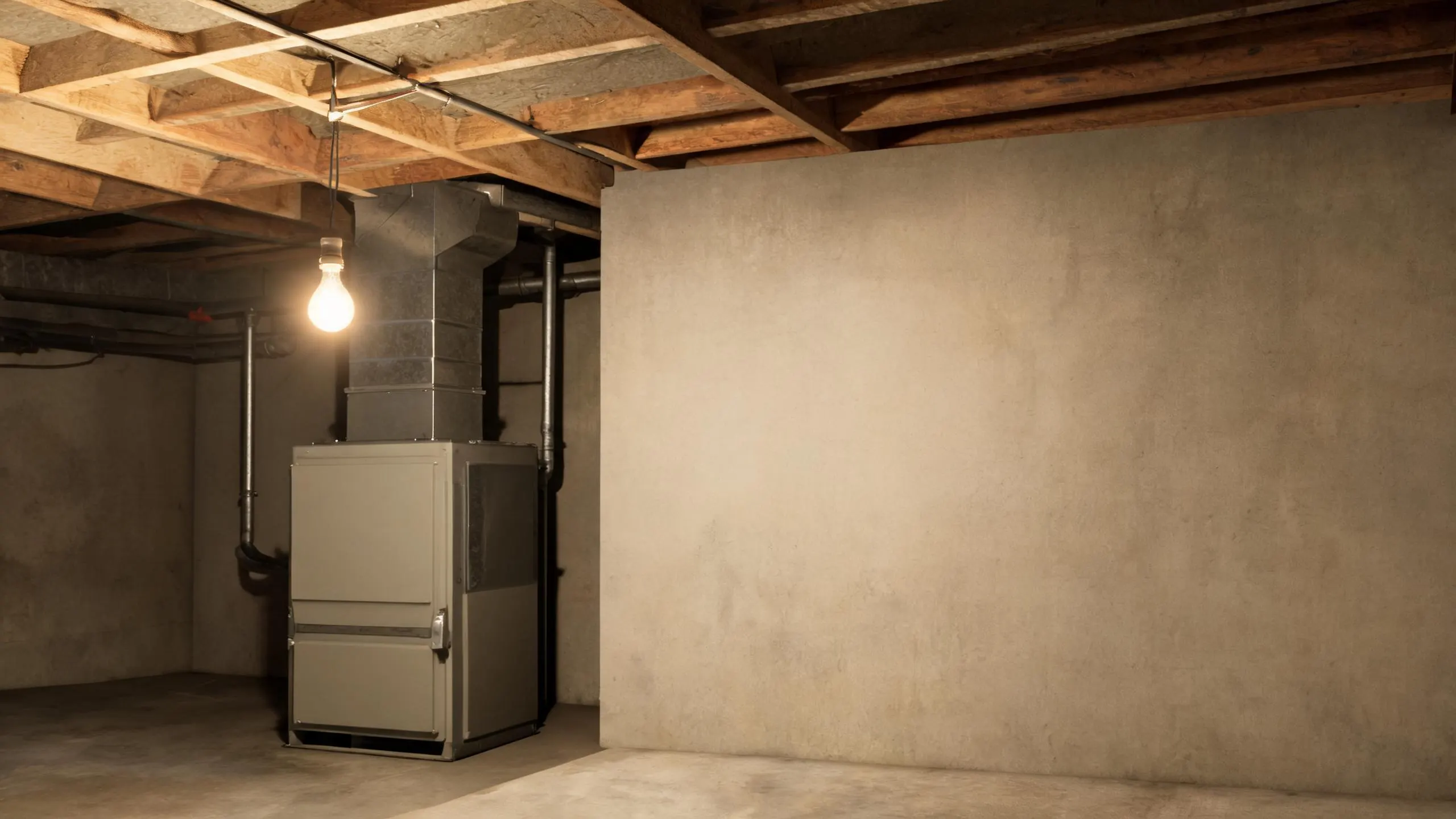
Deming asks for six months of heat a year
Winter nights here average 29°F from December through February, and homes need the furnace running from November through April. That is 6 months the burner has to work each year.
Any new gas furnace installed now has to meet the federal minimum of 80 percent AFUE, unless it's a weatherized model. Power isn't always reliable either. Luna County has seen 6 winter storms and 18 damaging wind events over the past ten years, and across New Mexico, 13% of households lost power for 24 hours or more in 2024. Worth asking how a new furnace handles a power interruption before you need the answer.
- 6 months
- November through April, your furnace is on duty
- 29°F
- the average winter night it heats against
- 80% AFUE
- the federal minimum any new unit must meet
NOAA nClimDiv, 1991–2020 normals
New Mexico requires HVAC contractors to hold a state license.
New Mexico licenses HVAC contractors through the Construction Industries Division, and that license belongs to the contractor, not to any one job. Getting licensed means the state tested this contractor before letting them hold it, and that same license covers them no matter whose furnace they're installing.
For this job, the license is what stands behind the contractor doing the work. Separately, most cities and counties in New Mexico require a permit for a furnace installation, along with an inspection once the work is finished.
Source: New Mexico Regulation and Licensing Department
- What size furnace does my house need?
- It depends on your square footage, your insulation, your ceiling height, and how much window area you have facing outside. A furnace that's too big will short cycle and wear out faster. One that's too small will run constantly and still leave rooms cold on the coldest nights, and here that means nights averaging 29°F. A contractor sizes it with a load calculation on your actual house, not a rule of thumb based on square footage alone.
- How do I know it's time to replace my furnace?
- Age is the first sign, and a furnace getting old is worth replacing before it fails rather than after. Rising repair frequency is the second sign, especially if a repair has already cost a real share of what a new unit would. Uneven heat between rooms, a furnace that runs longer than it used to, or a yellow flame instead of blue are all reasons to have it looked at. Heat is needed here from November through April, and a furnace that quits partway through that stretch leaves you without options fast.
- Is a high-efficiency furnace worth it?
- It depends on how many months you're running it and what you're replacing. Homes here need heat six months a year, November through April, so a furnace here runs more than one in a milder climate, and that changes the math on efficiency. Every non-weatherized gas furnace made since November 2015 has to hit at least 80 percent AFUE, so the real choice is between that baseline and the higher-efficiency models above it. A contractor can walk through the options for your house and what each one changes about your setup.