
HVAC Repair in Roswell, NM
Homes here need heat from October through April and cooling from May through September. If your system quits, tell us what it's doing and a licensed contractor who covers Chaves County will get in touch.
Tell us about the job
It takes about a minute.
Roswell asks a lot of your system, year round
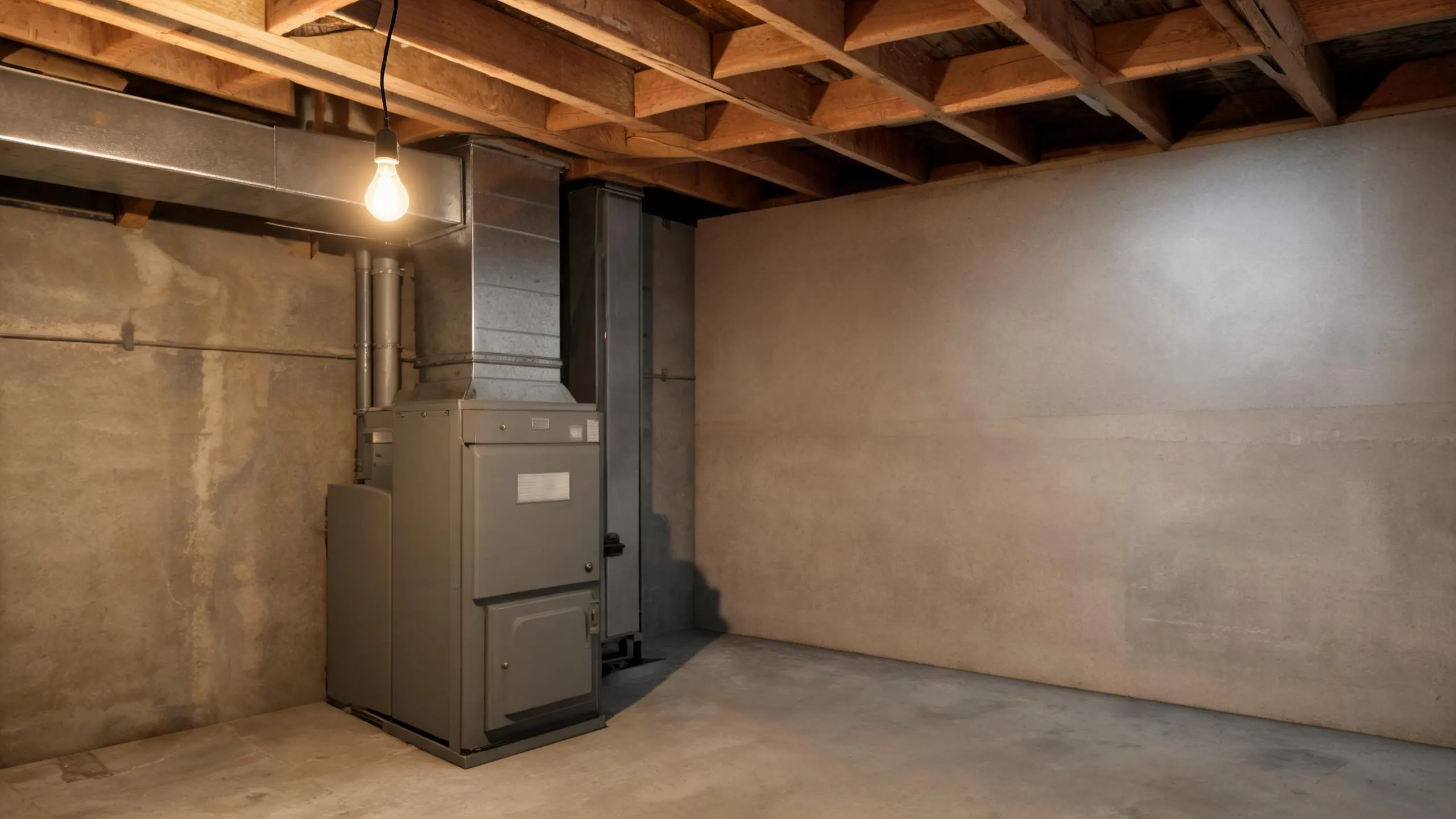
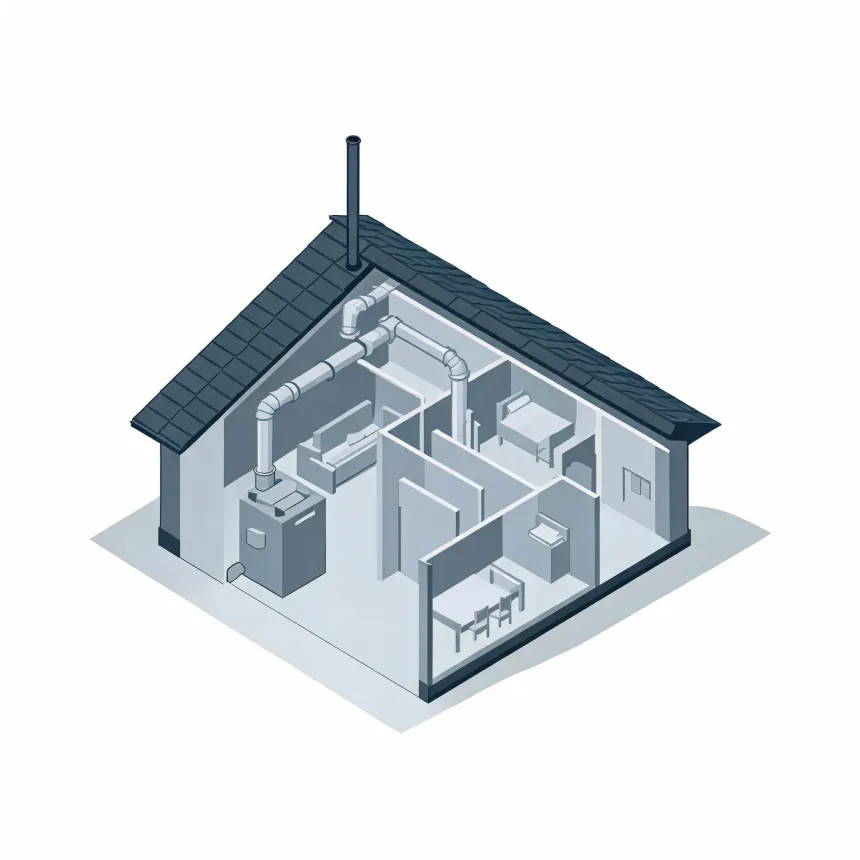
Your furnace runs October through April here, and your air conditioner takes over for May through September. That is every month of the year with no break for either one. Winter nights average 27°F, cold enough that the burner is cycling on and off most of the night to keep up. Summer afternoons average 93°F, and that is the load your compressor is working against all day long.
More than half the homes in the area heat with electricity, which means the furnace and the electrical system it depends on both need to be sound going into winter. Chaves County has also seen 108 damaging wind events and 11 winter storms over the past ten years, and across New Mexico 13% of households lost power for at least a day in 2024. A system that loses power and does not restart on its own leaves you without heat or cooling until someone resets it.
- 7 months
- October through April, your system heats
- 5 months
- May through September, it cools
- 27°F
- the average winter night it heats against
- 93°F
- the average summer afternoon it cools against
NOAA nClimDiv, 1991–2020 normals
New Mexico requires HVAC contractors to hold a state license.
The Construction Industries Division issues this license and keeps a record of who holds one. The license belongs to the contractor, not to any single job, so the same license that covers an installation also covers a repair call like this one.
For a repair on a heating and cooling system, that license is what stands behind the person working on your equipment. Gas repair matters because a bad connection is the dangerous part of the job, and in New Mexico the contractor doing that work is required to hold this state license.
Source: New Mexico Regulation and Licensing Department
- Why is my heat not working?
- Most often the thermostat is calling for heat but the furnace isn't responding to that call, or something is stopping it partway through startup. If the burners never light, the igniter or the flame sensor is a common cause. If you get a click and nothing else, it can be the pressure switch or a blocked vent pipe. Winter nights here average 27°F, so a furnace that short-cycles or won't stay lit needs a contractor out before the house gets cold enough to matter.
- Why is my system running but not cooling the house?
- The blower is moving air, but something between the return and the vents isn't doing its job. A dirty filter or a coil caked with dirt can choke off airflow so the air coming out never gets cold. Low refrigerant from a leak does the same thing from a different direction. With summer afternoons here averaging 93°F, this is worth checking the same day, since a frozen coil from restricted airflow can make the problem worse the longer it runs.
- What can I check before calling for HVAC repair?
- Check the thermostat first. Make sure it's set to heat or cool as needed and that the batteries aren't dead. Next, look at the filter and replace it if it's gray or clogged, since a blocked filter causes both heating and cooling problems. Check the breaker for the system too. If the outdoor unit or the furnace has no power at all, a tripped breaker is an easy thing to rule out before a contractor comes out. If none of that explains it, a contractor will need to diagnose the system directly.