
HVAC Repair in Hobbs, NM
Homes here need heat from November through April and cooling from May through September. If your system quits, tell us what it's doing and a licensed contractor who covers Lea County will get in touch.
Tell us about the job
It takes about a minute.
Eleven months of work a year on your system
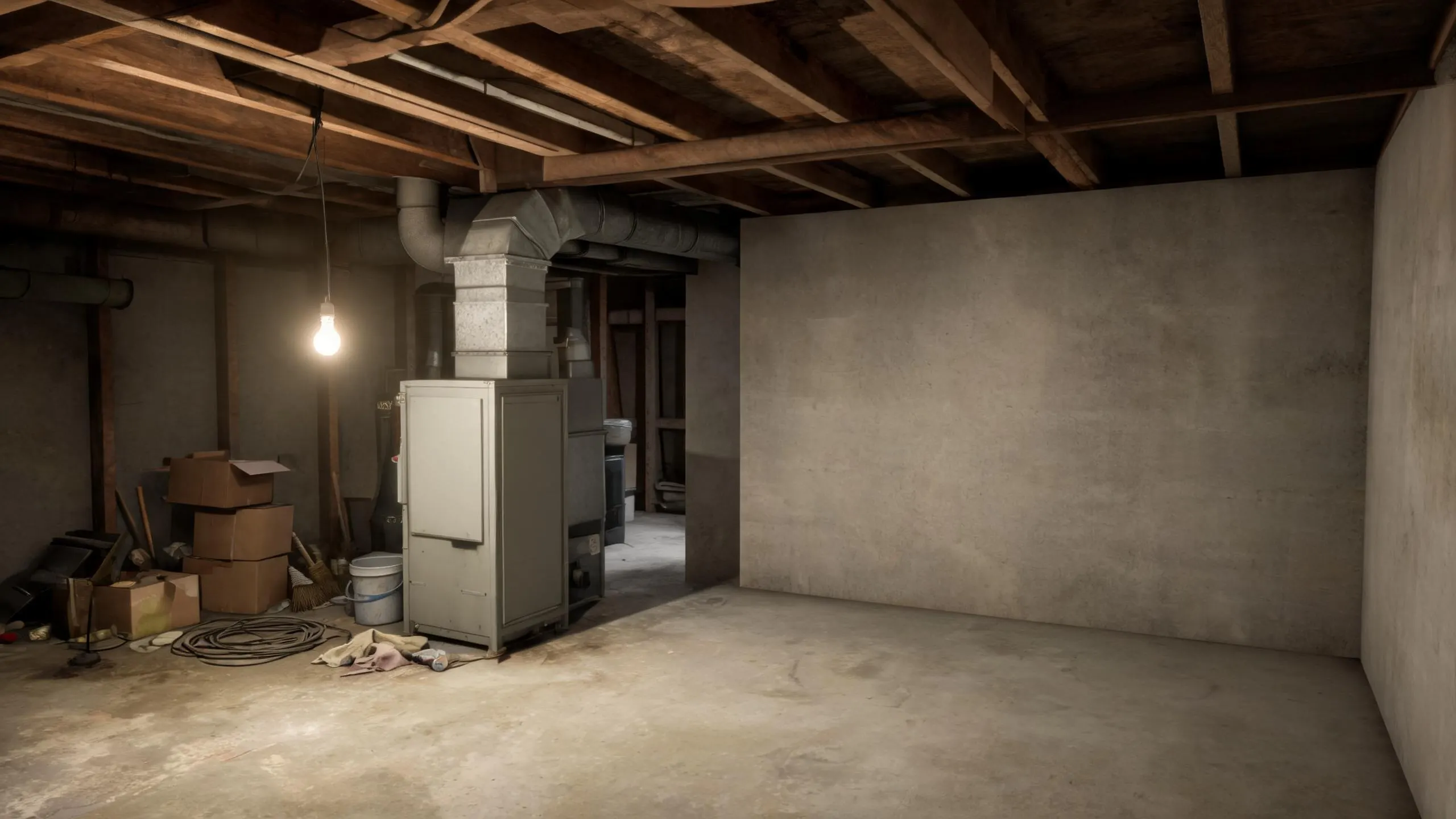
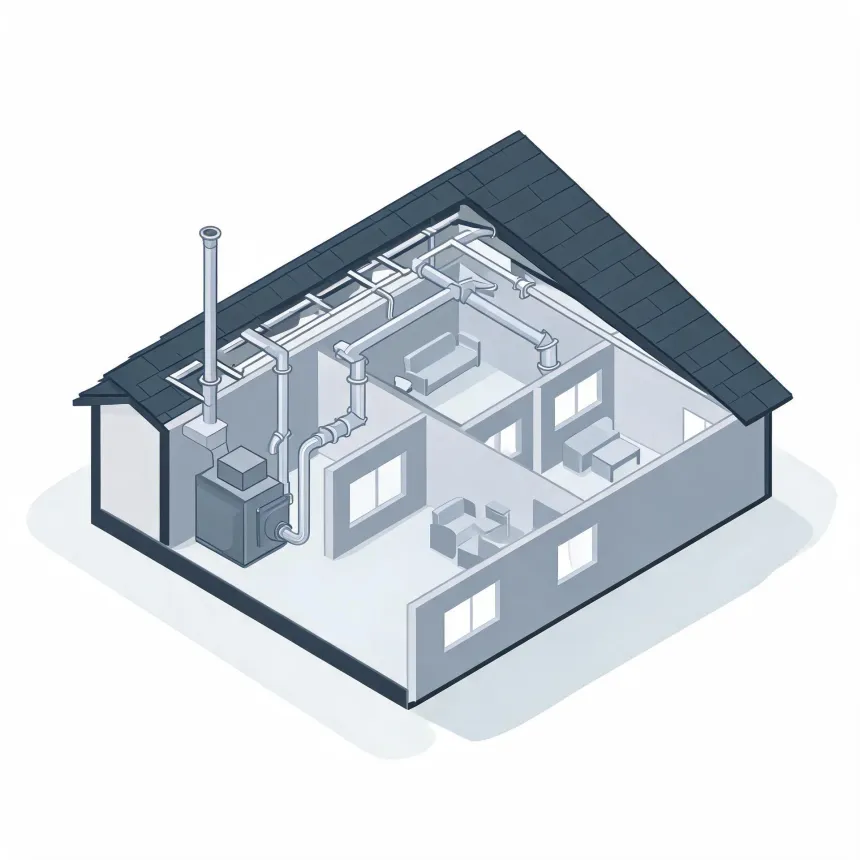
Your heating and cooling system in Lea County only gets a short break. Homes here need heat from November through April and cooling from May through September, which leaves the equipment idle only a few weeks a year. Winter nights average 28°F, so the furnace runs hard and cycles on and off through the night. Summer afternoons average 94°F, and the air conditioner runs through the hottest part of the day to keep up.
More than half the homes here heat with electricity, so when the power goes out, the heat goes with it. That matters in a place where 13% of New Mexico households were without power for 24 hours or more last year. Lea County has also seen 127 damaging wind events and 9 winter storms over the past ten years, the kind of weather that knocks out power, throws debris into outdoor units, and stresses a system that was already running close to its limits.
- 6 months
- November through April, your system heats
- 5 months
- May through September, it cools
- 28°F
- the average winter night it heats against
- 94°F
- the average summer afternoon it cools against
NOAA nClimDiv, 1991–2020 normals
New Mexico requires HVAC contractors to hold a state license.
The license comes from the Construction Industries Division, and it belongs to the contractor, not the job. That means the same license covers this repair and the next one they do for someone else, and it's on file with the state either way.
For a repair on a heating and cooling system, that license is what stands behind the work. A gas connection is the part of a repair that has to be done right, and in New Mexico it's the licensed contractor's name on record with CID that the work traces back to.
Source: New Mexico Regulation and Licensing Department
- Why is my heat not working?
- Start with the thermostat. Make sure it's set to heat and the temperature is set above room temperature, then check the breaker for the furnace or air handler. If the breaker is fine and the furnace still won't fire, the igniter or flame sensor is a common cause on gas furnaces, and neither is something to test yourself. With winter nights here averaging 28°F, a furnace that's stopped working needs a contractor out soon rather than later.
- Why is my system running but not cooling the house?
- Check the air filter first. A filter clogged with dust blocks airflow across the coil, and when that happens the coil can ice over and stop cooling the air even though the system keeps running. Check outside too, the outdoor unit needs airflow around it, so grass, leaves or debris pressed against it can cause the same problem. If the filter is clean and the outdoor unit is clear, the system likely needs a contractor to check refrigerant levels or the coil itself.
- What can I check before calling for HVAC repair?
- Check the thermostat settings, the batteries in it if it uses them, and the breaker for the system. Check the air filter next and replace it if it's dirty, since a blocked filter causes both heating and cooling problems. For an outdoor unit, make sure nothing is blocking airflow around it. If everything checks out and the system still isn't heating or cooling right, a contractor will need to look at what's inside, whether that's the burner, the igniter, the coil or the refrigerant charge.