
HVAC Installation in Alamogordo, NM
A new system here will heat from October through April and cool from June through September every year. Tell us about the house, and a licensed contractor who covers Otero County will get in touch.
Tell us about the job
It takes about a minute.
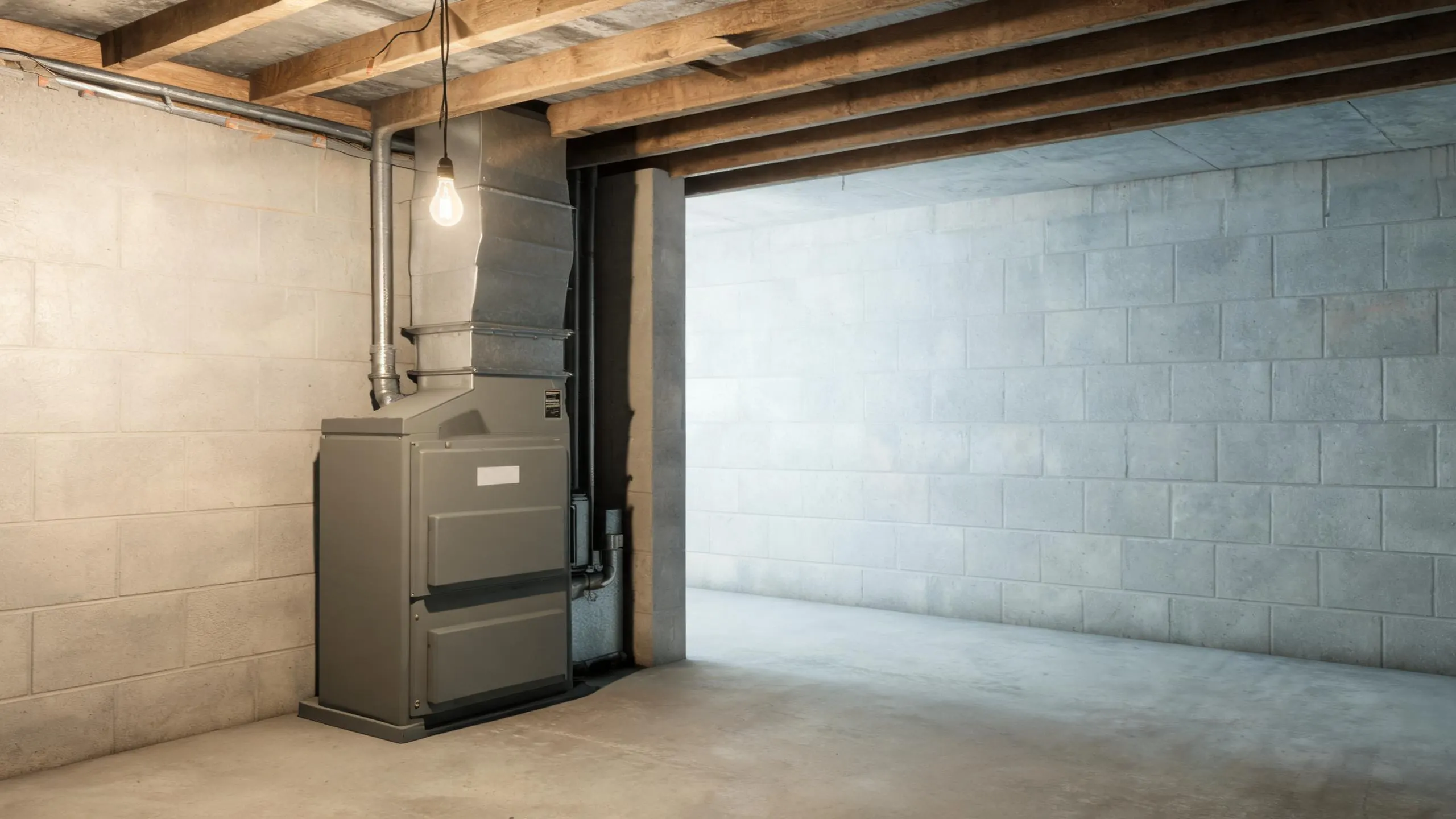
Eleven months of work a year
In Alamogordo, a new system doesn't get much rest. Winter nights average 28°F from December through February, and your furnace or heat pump has to run from October through April, seven months straight. Then summer afternoons climb to 89°F and the same equipment has to switch over and carry the cooling load from June through September. Only one month sits outside either job.
That kind of run time is why sizing and installation matter as much as the equipment itself. A system that's too small struggles on the coldest nights and hottest afternoons. One that's too big cycles on and off more than it should, which wears on the parts that start it. Otero County has also seen its share of hard weather, 32 winter storms and 83 damaging wind events over the past ten years, and across New Mexico 13% of households lost power for 24 hours or more in 2024. A system installed to handle both the cold and the heat here, and to come back on reliably after an outage, is worth getting right the first time.
- 7 months
- October through April, your system heats
- 4 months
- June through September, it cools
- 28°F
- the average winter night it heats against
- 89°F
- the average summer afternoon it cools against
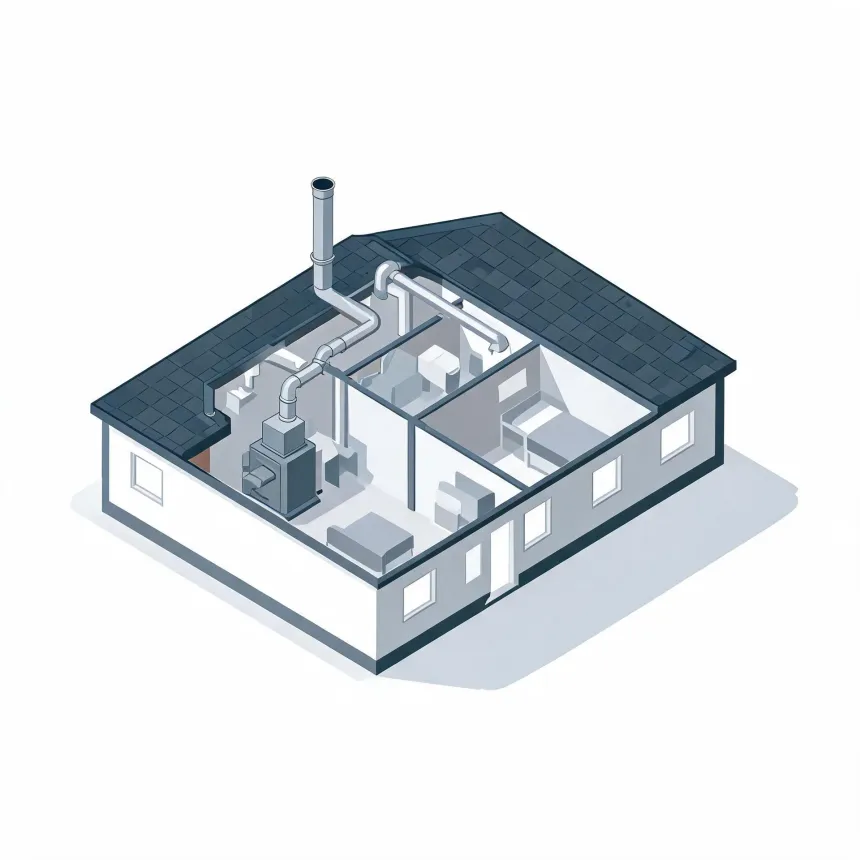
NOAA nClimDiv, 1991–2020 normals
New Mexico requires HVAC contractors to hold a state license.
The license comes from the state's Construction Industries Division, and it covers the contractor, not the job itself. That means the person or company is tested and on record, but a license in hand doesn't guarantee any one installation is done right. That part comes from what happens after the contractor is licensed.
For a heating and cooling system, that oversight comes from the local building office. Most cities and counties in New Mexico require a permit before a furnace, air conditioner or heat pump goes in, and an inspection once it's done. The permit is what puts a second set of eyes on the work, checking the gas connections, the wiring, the refrigerant lines, against code before the system is signed off.
Source: New Mexico Regulation and Licensing Department
- When should I replace my HVAC system?
- Replace your system when repairs stop making sense against its age and condition, or when it can no longer keep up on the coldest nights or hottest afternoons. A furnace or air conditioner that needs a major repair, like a cracked heat exchanger or a failed compressor, is usually a better candidate for replacement than repair. Watch for rising bills with no change in use, rooms that won't hold temperature, or a system that runs constantly through the winter or summer. If your gas furnace is short cycling or making you think about carbon monoxide, don't wait, have a contractor look at it now.
- Should I replace my furnace and air conditioner at the same time?
- If both are old, yes, it usually makes sense to replace them together. A furnace and air conditioner installed at the same time are matched to work as a system, and replacing one while the other has years left can mean mismatched parts that don't perform or last as well. Homes here need heat from October through April and cooling from June through September, so both halves of the system see real work, and their ages tend to track together. A contractor can look at the condition of each unit and tell you whether pairing the replacement makes sense for your house.
- What happens during an HVAC installation?
- A contractor removes the old equipment, sets the new furnace and air conditioner or heat pump, and connects it to your ductwork, gas line or refrigerant lines, and electrical. They check the ducts for leaks or damage, since ducts that don't seal well undercut a new system's performance no matter how efficient it is. The refrigerant lines get charged and tested, the furnace gets checked for correct gas pressure and safe venting, and the whole system gets run to confirm it hits the right temperatures and cycles properly. In Alamogordo, this work needs a permit from the local building office, and an inspector checks it once it's done.